Globalization: Adapting to an Ever-Connected Business World
28 February 2026
Let’s face it — we live in a world where a product designed in California, manufactured in China, marketed in Germany, and sold to a customer in Brazil isn’t just possible — it’s standard. That’s globalization for you in a nutshell.
But what does this really mean for businesses today? Well, in this ever-connected landscape, adapting isn’t just important — it’s survival.
Whether you’re managing a scrappy startup or steering a corporation, the way your business operates, communicates, sells, and even thinks has to evolve. Let’s dive deep into how businesses can not only keep up with globalization but thrive in it.
What Is Globalization Anyway?
So, what exactly are we talking about here? Globalization is like a giant web that ties the world together — economically, technologically, culturally, and politically. It's that invisible thread that lets you video call a colleague in Tokyo at 9 a.m., place a bulk order from India at noon, and check analytics on a European campaign before dinner.In the business world, globalization mainly refers to how companies expand their operations beyond borders, trade products and services internationally, and work with global talent.
In Simpler Words…
Imagine your business is a boat. Before globalization took off, you sailed in local waters. But now? The entire ocean is your playground. That’s exciting, sure — but it also means dealing with changing tides, unpredictable weather, and new sea creatures (aka unfamiliar markets, regulations, and consumer behaviors).
Why Globalization Matters More Than Ever
Ever felt like everything is happening faster? That’s globalization at work. The rise of digital technology, lightning-fast communication, and affordable logistics has basically demolished physical borders.Here’s why businesses can’t afford to ignore globalization:
- Broader markets: You’re no longer limited by geography. You can sell your product to anyone, anywhere.
- Access to global talent: Need a graphic designer from Argentina? Or an app developer from Poland? No problem.
- Supply chain benefits: Outsourcing production or services can cut costs and boost efficiency.
- Innovation through collaboration: Different cultural perspectives can lead to fresh ideas and smarter solutions.
Let’s not sugarcoat it though — playing on a bigger field means bigger challenges too. But we’ll get to that in a bit.
The Challenges of Globalization (And How to Tackle Them)
Globalization isn’t all sunshine and rainbows. Like anything worth doing, it comes with its share of curveballs.1. Cultural Differences
Let’s say you launch a brilliant ad campaign that kills it in your hometown… but flops overseas. Why? Culture.What’s funny, trendy, or appropriate in one country can totally miss the mark (or even offend) in another.
How to Adapt:
- Do your homework on local customs and preferences.
- Hire or consult with locals who understand the market.
- Customize your messaging — one size does not fit all.
2. Legal and Regulatory Hurdles
Every country has its own set of rules — taxes, labor laws, trade restrictions, you name it.How to Adapt:
- Get legal advice when entering a new market.
- Partner with local businesses that understand the system.
- Stay up-to-date with international compliance standards.
3. Language Barriers
It’s not just about speaking the same language — it's about understanding communication styles. A “yes” in one culture might really mean “maybe,” while in another, it means “absolutely.”How to Adapt:
- Use clear, simple language in international communications.
- Employ multilingual support for customer service and marketing.
- Invest in translation and localization tools.
4. Logistics & Supply Chain Risks
Your products might be on a container ship halfway across the globe. What happens if there’s a delay, a customs issue, or a global pandemic? (Yep — we’ve seen how that plays out.)How to Adapt:
- Diversify your suppliers and logistics partners.
- Build buffer time into your production and delivery cycles.
- Use tech tools to track and streamline operations.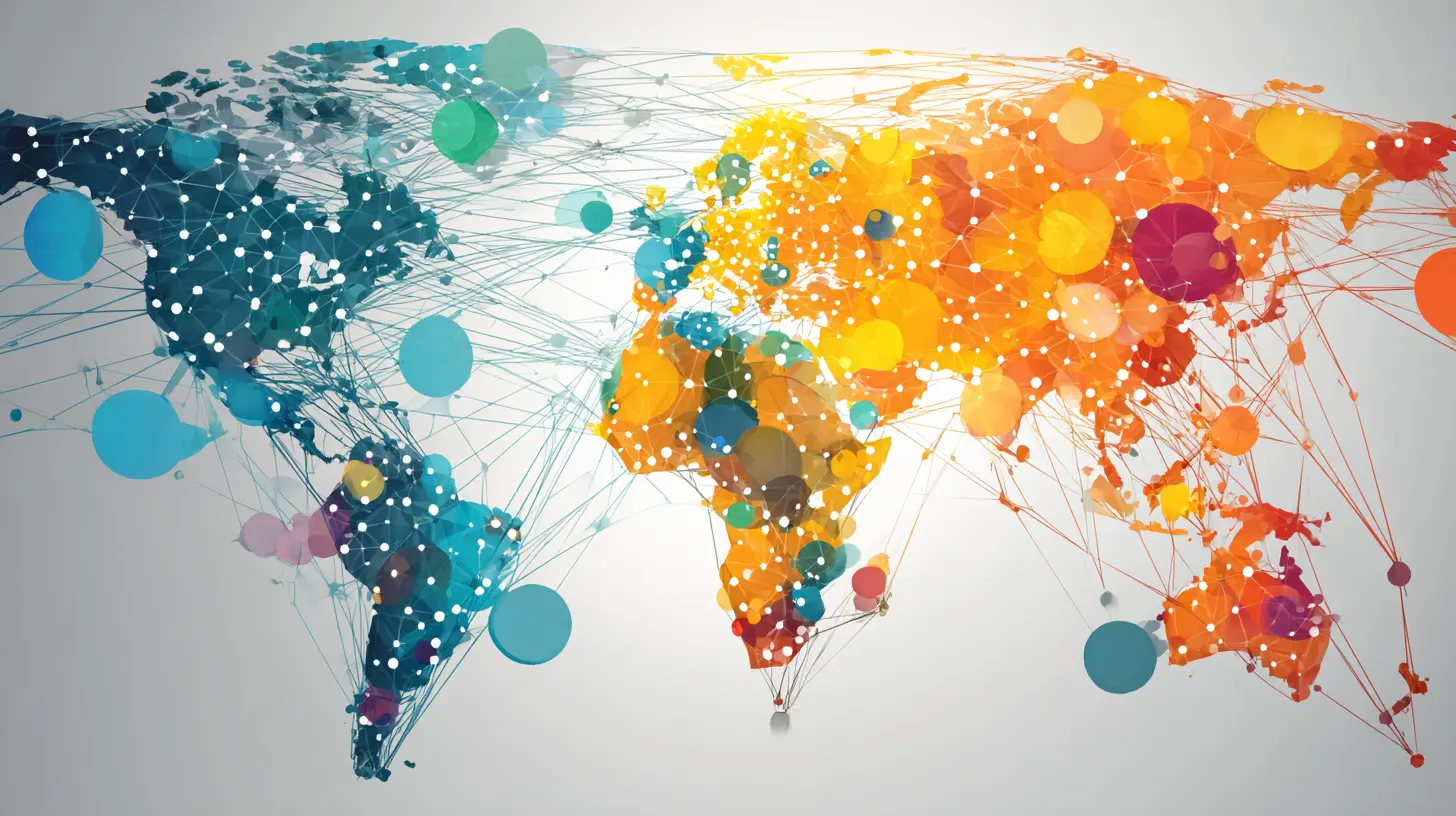
Leveraging Technology to Go Global
Technology is the secret sauce that makes globalization possible — and manageable.Cloud-Based Tools
You can collaborate with teams worldwide in real-time. Tools like Google Workspace, Slack, Asana, and Zoom make remote work seamless.E-Commerce Platforms
Platforms like Shopify, WooCommerce, and Amazon allow you to sell to international customers without needing a physical store in each country.Payment Gateways
Stripe, PayPal, and other global payment processors make cross-border transactions safe and easy.Data and Analytics
You can now track customer behaviors, monitor trends, and gather insights from virtually every corner of the world — in real-time.If you’re not using tech to fuel your global strategy, you’re leaving money (and efficiency) on the table.
Going Global? Build a Local Mindset
Here’s a paradox that actually makes total sense: to succeed globally, think locally.Wait… what?
Let me explain — when you try to force a one-size-fits-all approach, you end up alienating customers. People want to feel seen, understood, and valued. That’s only possible when businesses make an effort to connect on a local level.
Take McDonald’s for example. Sure, they operate globally, but their menus vary depending on the country — veggie burgers in India, Teriyaki burgers in Japan, and poutine in Canada. That's the power of local adaptation.
Building a Global-Ready Team
Your team is your engine. If you're planning to go global, you'll need people who “get” what that means.- Cultural sensitivity matters: Include diversity and inclusion training.
- Language and soft skills: Hire bilingual or multilingual team members when possible.
- Time zone awareness: Respect different working hours and holidays.
Want your remote or global teams to be productive? Build clear communication channels, define expectations, and foster a sense of unity. Think of your team like an orchestra — different instruments playing harmoniously despite being in different rooms.
Marketing in a Global Marketplace
If marketing is telling your story, globalization means telling it in multiple languages and formats.Understand Your Audience
Don’t assume what works at home will work abroad. Use regional data and insights to guide campaigns.Localize Your Content
Translation isn’t enough. You need localization — adjusting your tone, imagery, even colors and humor to match local tastes.Leverage Social Media
Different countries have different preferred platforms. While the U.S. loves Instagram and Twitter, China favors WeChat and Weibo. Know where your audience hangs out — and meet them there.Small Businesses Can Go Global Too
Think globalization is only for industry giants? Think again.Thanks to digital tools, even solo entrepreneurs can play the global game. Whether you’re an Etsy shop owner or a freelance consultant, you can now reach international clients with the click of a button.
Start with:
- A website (with multi-language support)
- International shipping options
- Secure payment methods
- Social media outreach in different regions
Remember: going global doesn’t have to mean going everywhere at once. Start with one market — test, learn, and grow from there.
The Future of Globalization
The global landscape is shifting faster than ever, and while that brings uncertainty, it also opens doors.We’re likely going to see:
- Greater emphasis on sustainability across the global supply chain
- Digital nomadism becoming more common
- Increased AI and automation to streamline global operations
- A push for ethically sourced and localized products
Adaptability will be the name of the game.
Final Thoughts
Globalization isn’t just a buzzword — it’s a reality that’s shaping the way we do business. Whether you embrace it or resist it, the world is moving in one direction: interconnectedness.The good news? You’ve got options, resources, and tech that make adapting not only doable but exciting.
Yes, challenges exist. But so do opportunities — big, juicy, exciting opportunities that can take your business to new heights.
So, are you ready to ride the wave of globalization or risk getting left behind?
Because let’s be real — in today’s world, staying “local only” is like using a flip phone in a smartphone world.
all images in this post were generated using AI tools
Category:
Business TrendsAuthor:

Remington McClain
Discussion
rate this article
2 comments
Vireo Wilkerson
Globalization is not optional; adapt or get left behind—period.
March 29, 2026 at 5:16 AM
Remington McClain
I agree. Embracing globalization is crucial for staying relevant in today's interconnected market. Adaptability is key.
Sadie Fry
Great insights on globalization! Adapting to an interconnected world is crucial for success. Embracing diversity and technology can truly elevate businesses. Excited to see how companies evolve!
March 1, 2026 at 3:42 AM
Remington McClain
Thank you! I'm glad you found the insights valuable. Embracing change and diversity is indeed key to thriving in this interconnected era!