Integrating Circular Economy Principles into Your Supply Chain
26 January 2026
Let’s face it, the traditional take-make-dispose model is outdated. It’s like trying to make a VHS tape work on a 4K smart TV—inefficient, wasteful, and way behind the times. In today’s world, sustainability isn’t just a buzzword—it’s a business imperative. More companies are waking up to the fact that tapping into circular economy principles isn’t just good for the planet—it’s good for the bottom line too.
So, what does it really mean to integrate circular economy principles into your supply chain? How can you shift from a linear to a circular model without turning your operations upside down? Stick with me—and by the end of this, you’ll have a solid foundation (and maybe even some inspiration) to get the ball rolling.
What Is a Circular Economy, Anyway?
Before we dive deep into your supply chain, let’s clear the air on what the circular economy actually is.Think of the circular economy as the zero-waste philosophy of business. Instead of extracting resources, making stuff, using it, and tossing it away (hello, landfill), the circular model tries to keep resources in play for as long as possible. It’s the business world’s version of reduce, reuse, recycle—on steroids.
It’s all about designing out waste, keeping products and materials in use, and regenerating natural systems. Imagine turning waste into a resource. That's the kind of magic we're talking about.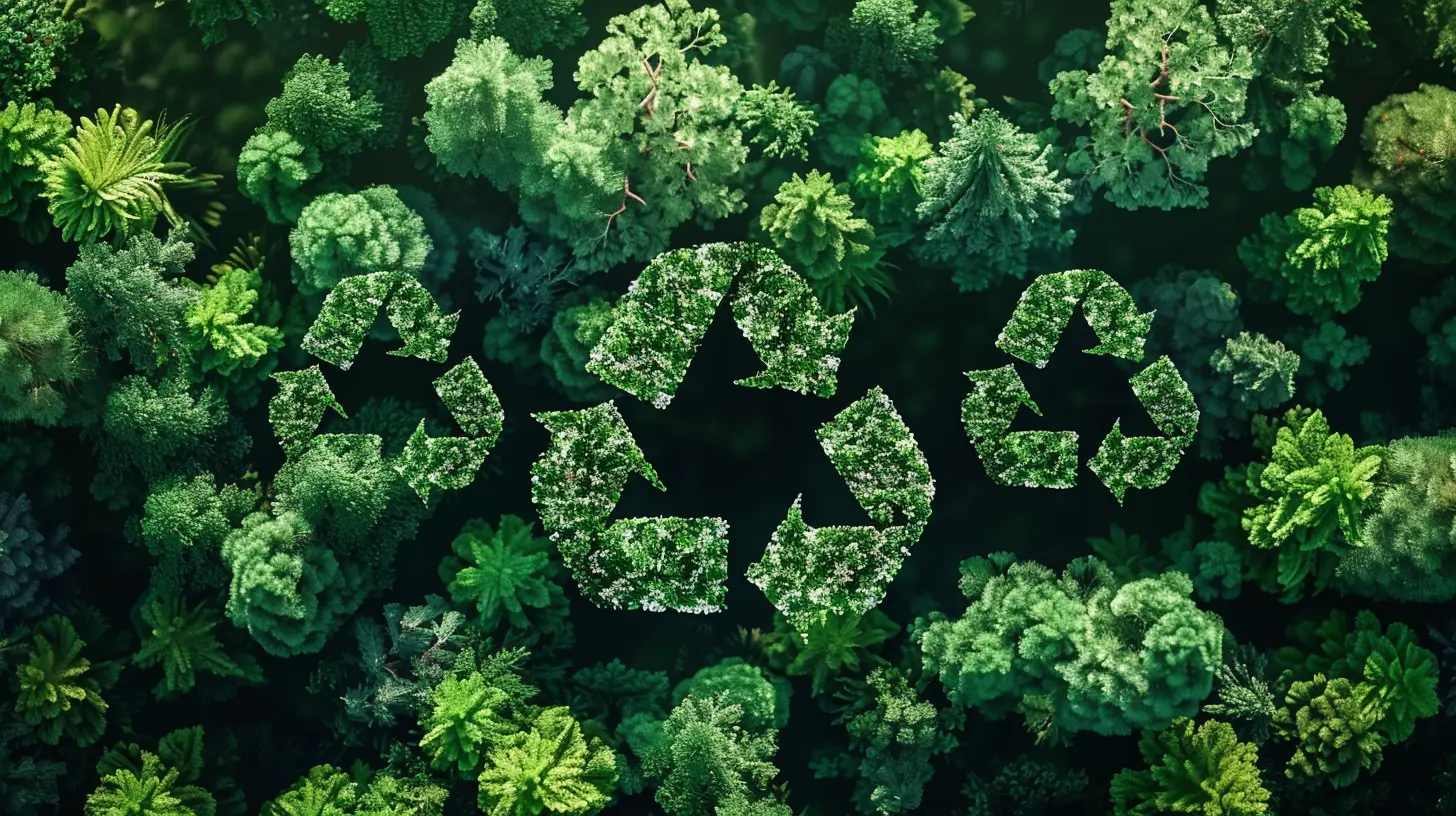
Why Bother with the Circular Economy?
Okay, you might be thinking: “This sounds nice in theory, but what’s in it for me?”Fair question. Here’s what’s in it for you:
- Cost Savings: Less waste = less disposal cost = more money in your pocket.
- Customer Loyalty: Consumers are getting smarter and more eco-conscious. Show them you care about sustainability, and they’ll stick around.
- Risk Reduction: Circular supply chains are more resilient because they rely less on virgin materials.
- Regulatory Compliance: Governments aren’t playing around anymore. Future-proof your business by staying ahead of regulations.
- Innovation: Constraints breed creativity. Being circular forces you to think differently—and that often sparks innovation.
In short? It’s not just the right thing to do—it’s the smart thing.
Getting Started: Assess Where You Are
Before you can slap a "sustainable" label on your supply chain, you need to know where you stand.Ask yourself:
- What materials are you using that could be recycled or reused?
- Where is waste being generated?
- Which parts of your supply chain rely heavily on raw, virgin resources?
A good starting point is conducting a material flow analysis. This helps you visualize how materials move through your system—from raw input to final disposal. Spoiler: you’ll probably find some serious leaks in the pipeline.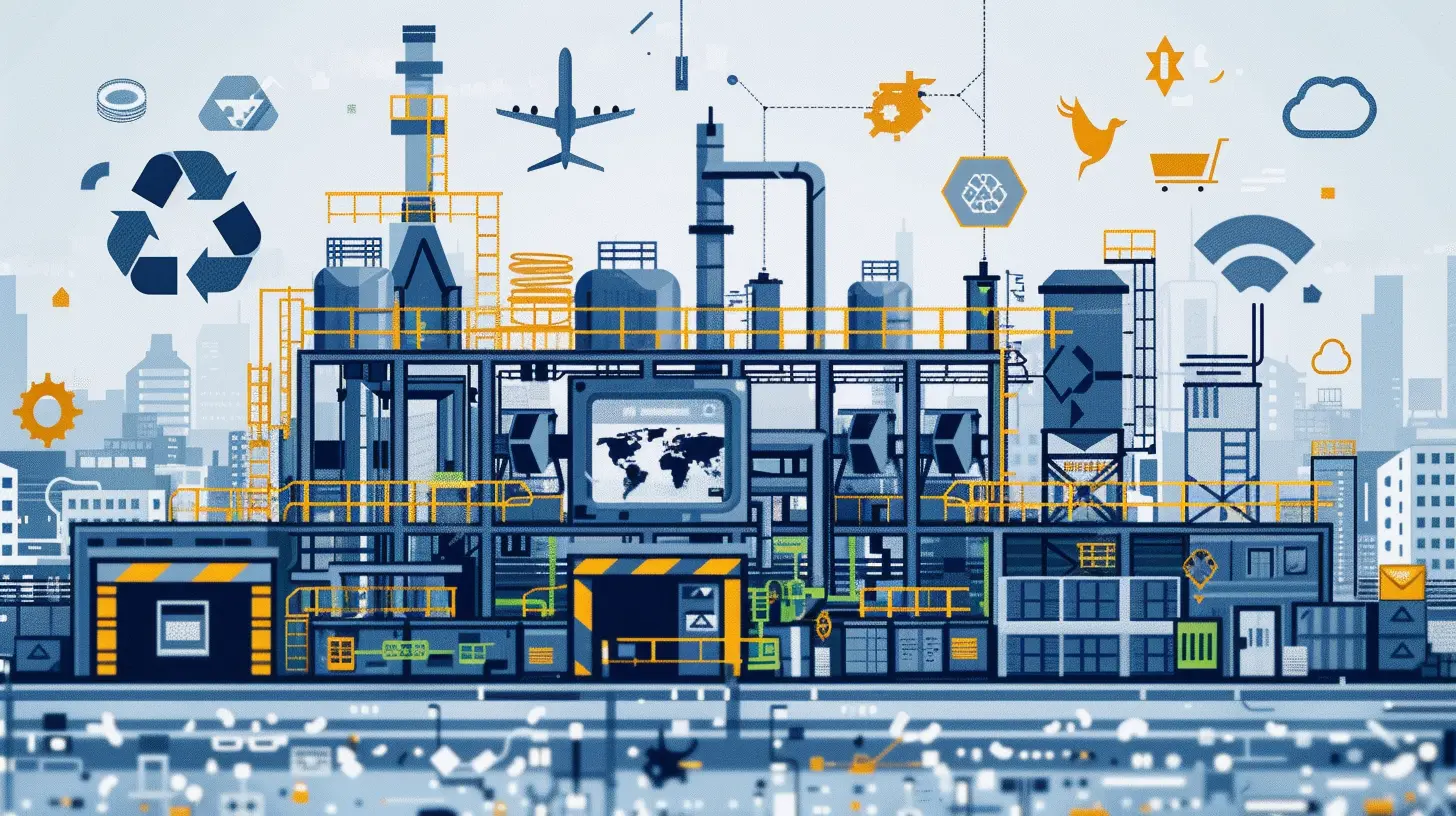
Key Circular Economy Principles to Apply
Let’s break down the big ideas behind circular thinking and how they relate to your supply chain.1. Design Out Waste
This one’s huge. Instead of dealing with waste after the fact, what if you never created it in the first place?That starts with product design. Can your products be made with fewer materials? Are they modular so they can be easily repaired or upgraded? Can parts be reused or recycled?
Think of it like building with LEGO instead of glue. With LEGO, you can take things apart and reassemble them. Glue? Not so much.
2. Keep Products and Materials in Use
Extend the life of your products and the materials inside them. That could mean:- Offering repair services
- Leasing instead of selling (think: equipment-as-a-service)
- Using remanufactured parts
- Creating take-back programs
This principle is all about closing the loop—instead of letting materials escape into the waste stream, you keep feeding them back into the supply chain.
3. Regenerate Natural Systems
This one's a bit more philosophical, but it matters.Instead of just minimizing harm, how can your supply chain give back to the environment? Maybe your packaging is compostable, or your operations help restore degraded ecosystems. Food and agriculture businesses, in particular, can take big steps here.
Nature doesn’t create waste—and neither should we.
Practical Ways to Integrate Circular Economy Principles into Your Supply Chain
The theory is great, but let’s talk about real, rubber-meets-the-road action steps.Redesign Products for Circularity
First, partner with your design team. Focus on design for disassembly, material selection, and durability.Can you use recycled inputs? Can your product be taken apart easily for repair or reuse? Don’t underestimate the power of smart design—it’s where circular magic begins.
Rethink Procurement
Traditional sourcing usually chases the cheapest option. But circular sourcing looks at:- Lifespan of the materials
- The possibility of reuse and remanufacture
- Recyclability
Forge partnerships with suppliers who are committed to circularity. Look for those using recycled materials or who take back their packaging and products.
Shift to a Closed-Loop Supply Chain
This is where things get exciting. A closed-loop supply chain means nothing goes to waste—it just loops back into the system.Ever bought something from IKEA and seen a bin for taking back used furniture? That’s a closed-loop example. And it works.
To make this happen, you might need partners in reverse logistics—companies that specialize in collecting, transporting, and reintegrating used products or materials.
Tap into Technology
Digital tools are game-changers when it comes to circular supply chains. Think:- Blockchain for tracking material provenance
- IoT sensors for monitoring product use and wear
- AI for forecasting demand and avoiding overproduction
These tools help you make data-informed decisions and reduce waste at every touchpoint.
Train and Engage Your Team
You can’t go circular alone. Your employees need to understand what’s changing, and why.Run training programs. Set up innovation challenges. Share wins and lessons learned. Make circularity a company-wide mission, not just an operations project.
Real-World Examples to Inspire You
Philips
Philips is a leader when it comes to circular thinking. They offer lighting-as-a-service, meaning customers pay for the light, not the bulbs. When the lights wear out, Philips takes them back, reuses components, and minimizes waste. Pretty brilliant, right?Patagonia
Patagonia’s Worn Wear program repairs and resells used clothing. They’ve built a loyal following by doing good and staying true to their mission.HP
HP runs a cartridge recycling program where used printer cartridges are collected, broken down, and turned into new ones. It’s a perfect loop.Challenges You Might Face (And How to Tackle Them)
Alright, here’s the honest truth—going circular isn’t a walk in the park. You’re bound to run into roadblocks. But knowing what they are helps you tackle them head-on.1. Cost and ROI Concerns
Circular models often require upfront investment. But long-term savings usually outweigh the initial costs.Try starting with pilot projects to demonstrate ROI before going full scale.
2. Complex Supply Chains
The longer and more global your supply chain, the trickier it gets. Work on creating transparency and traceability. Engage key suppliers early and align on shared goals.3. Consumer Behavior
Sometimes, customers aren’t used to circular models (like renting instead of buying). Education and UX design are key to making the model user-friendly and attractive.The Future Is Circular
The circular economy isn’t a passing trend—it’s the future of business. And the supply chain is one of the most powerful levers to drive change.Think of your supply chain as more than a series of transactions. It’s an ecosystem. A living, breathing organism. And like anything living, it should thrive, adapt, and regenerate—not just survive on a linear path to obsolescence.
Whether you’re a startup just beginning to scale or a global juggernaut looking to refine your operations, the principles of circularity can guide your evolution.
And hey, even small steps matter. Start one section of your supply chain at a time. Collect data. Learn. Iterate. Remember, circular thinking isn’t an all-or-nothing game. It’s a mindset shift—and it starts with you.
Final Thoughts
So, what’s stopping you from integrating circular economy principles into your supply chain?Maybe it’s the fear of complexity, or uncertainty about ROI. But think of it this way: the linear model is like driving a gas-guzzling car with a tank that’s always on empty. The circular model? It’s like riding a bike that refuels itself as you pedal.
Sustainable, self-sufficient, and built for the journey ahead.
Ready to take that first step?
all images in this post were generated using AI tools
Category:
Supply Chain ManagementAuthor:

Remington McClain
Discussion
rate this article
2 comments
Oscar McCloud
Who said supply chains can't be fun? Embracing circular economy principles is like giving your business a stylish eco-makeover! Let’s turn waste into opportunity and spin those old practices into something fresh and fabulous. Time to get circular, folks!
March 5, 2026 at 3:26 AM
Remington McClain
Absolutely! Embracing circular economy principles not only makes supply chains more sustainable but also transforms challenges into exciting opportunities for innovation and growth. Let's get started!
Easton Velez
Great insights on integrating circular economy principles! This approach not only enhances sustainability but also fosters innovation within supply chains. Excited to see how businesses embrace these strategies for a greener future!
February 8, 2026 at 5:47 AM
Remington McClain
Thank you! I'm glad you found the insights valuable. Embracing circular economy principles is indeed key to driving sustainability and innovation in supply chains. Let's keep pushing for a greener future!