Loyalty Programs: Do They Still Work for Retaining Customers?
8 December 2025
You’ve probably signed up for at least one loyalty program in your life, whether it's collecting points at your favorite coffee shop or getting cash back from a credit card. Loyalty programs are everywhere — and businesses love them. But let’s pause and ask a real question:
Do loyalty programs still work when it comes to actually keeping customers around?
Some say yes — they’re the golden ticket to building lasting relationships. Others argue they’re outdated gimmicks that people forget about two minutes after joining. So, what’s the deal?
Let’s unpack the real impact of loyalty programs on customer retention in today’s digital-first, attention-scarce world.
The Basics: What Is a Loyalty Program, Anyway?
Before we dive too deep, let’s get on the same page. A loyalty program is a system where companies reward customers for repeat business. Think points, discounts, freebies, or even exclusive access to stuff.There are a few common types:
- Points-based programs – You earn points per dollar spent (hello, Starbucks!)
- Tiered programs – The more you spend, the higher your “status” (like airline miles)
- Paid programs – Pay a fee and get exclusive perks (Amazon Prime is the poster child)
- Cashback programs – Spend money, get money back
Simple enough, right? But here’s the thing — the concept isn't new. Loyalty schemes have been around since the 18th century. Yes, you read that right — the 1700s!
So if they’ve stood the test of time, why are we even questioning their effectiveness?
Let’s talk about that.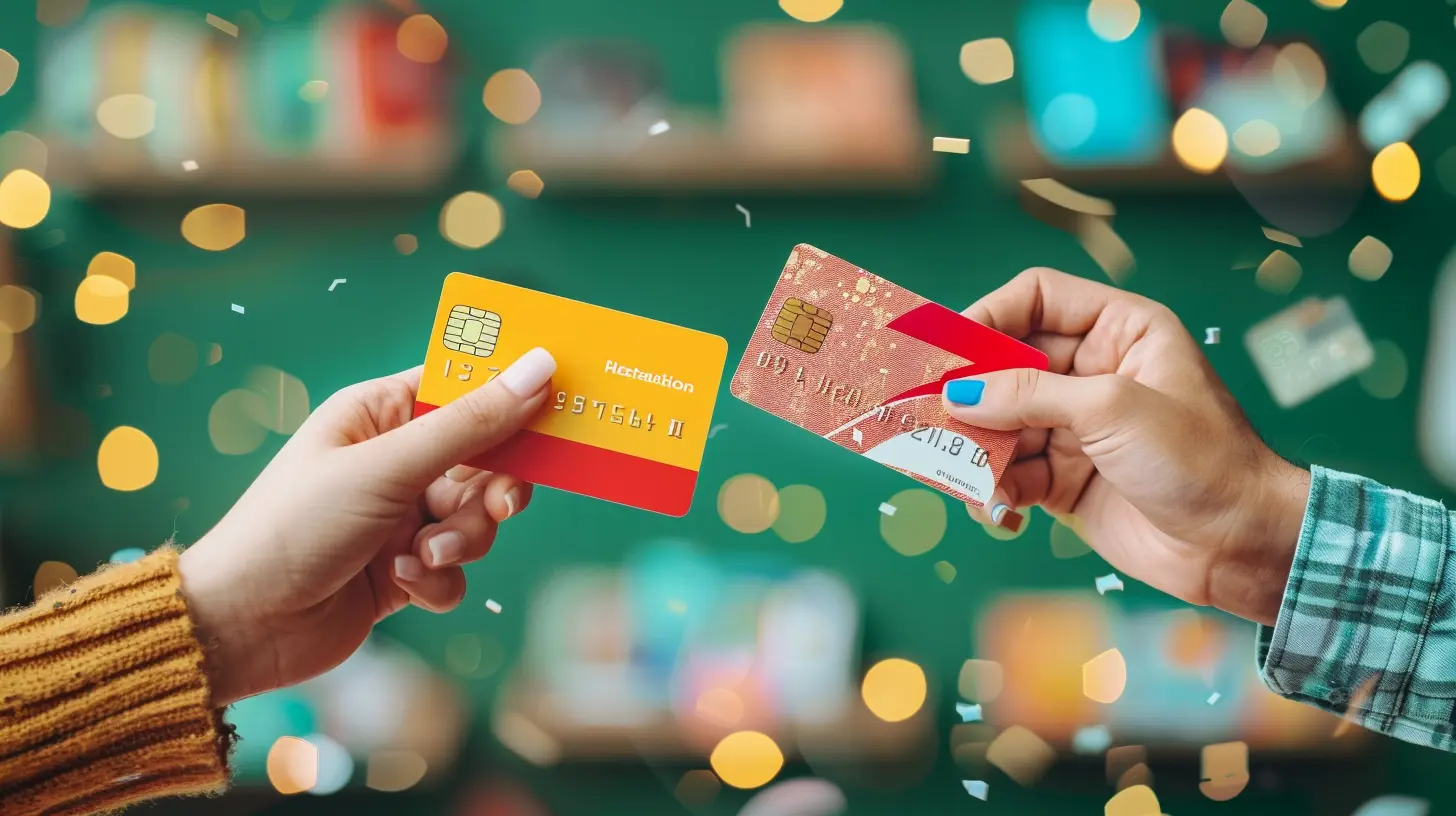
A Loyalty Shift: What’s Changed?
Consumers today are not the same as they were 10 years ago. Heck, we’re not even the same as we were two years ago. Blame it on technology, short attention spans, or just evolution — the way we engage with brands has changed massively.Here’s what’s different now:
- Endless choices: With the internet and mobile apps, customers can switch to a competitor in seconds.
- Better-informed buyers: Reviews, ratings, and social media make it easy to research before buying.
- Higher expectations: People expect personalized experiences, fast service, and tons of value.
And here’s the kicker — just offering discounts and points isn’t enough anymore. Loyalty needs to go deeper.
The Pros: Why Loyalty Programs Still Matter
Let’s give credit where it’s due. Loyalty programs can still be incredibly effective — if done right. Here are a few reasons why they still have a place in your marketing toolkit.1. Repeat Customers = More Revenue
It costs way more to get a new customer than to keep an existing one. Some studies suggest it's 5 to 7 times more expensive. So yeah, encouraging repeat purchases through loyalty incentives makes perfect business sense.2. Data, Glorious Data
Loyalty programs are a goldmine for customer data. If someone signs up, you can track their spending habits, preferences, and behaviors. That opens the door to personalized marketing and smarter decisions.3. Builds Emotional Connections
The best loyalty programs don’t just reward transactions — they reward relationships. Brand advocates are born when customers feel recognized and valued, not just “sold to.”4. Gamification Works
Let’s face it — we’re all a little addicted to progress bars and achievement badges. Points systems and milestones can tap into our inner gamer and motivate repeat behavior.
The Cons: Why Loyalty Programs Can Fall Flat
But it's not all rainbows and retention. Many programs fail. Here’s why:1. One-Size-Fits-All Doesn’t Work
Generic, cookie-cutter rewards don’t cut it anymore. If customers don’t see value in your program, they’ll ignore it (or worse, unsubscribe).2. Complex = Confusing
Ever joined a program that made you do mental math just to figure out how many points you need for a coffee? Yeah, no thanks. If it’s hard to understand, people won’t bother.3. Poor Execution = Wasted Effort
A loyalty program is only as strong as its implementation. Without seamless tech, smart design, and thoughtful incentives, it’s just noise.4. Loyalty ≠ Exclusivity
Here’s a dirty little secret: many customers sign up for multiple loyalty programs. Being part of yours doesn’t automatically mean they’re loyal to you. Ouch, right?The Big Question: Do They Truly Drive Retention?
Okay, let’s get real. Do loyalty programs actually work for customer retention?The answer is… it depends.
If you’re thinking, “Ugh, what kind of answer is that?” — I get it. But hear me out.
They Work When:
- The program is customer-centric, not company-centric- Rewards are meaningful and attainable
- There’s a clear, easy value proposition
- The experience feels personalized
- It aligns with your brand values and tone
They Fail When:
- Rewards feel like afterthoughts- The program is buried in the app or hard to access
- Customers forget they even signed up
- It becomes a race to the bottom on pricing
So, yes — loyalty programs can work, but they can’t do all the heavy lifting. Think of them as a tool in your toolbox, not the whole building.
What Customers Really Want in 2024 (and Beyond)
Let’s flip the script for a second. Forget points and perks — what drives real loyalty today?Here are a few trends shaping customer retention right now:
1. Personalization is King
People want to feel seen. When your loyalty program considers past purchases, preferences, and behavior, it sends a message: "We get you."2. Experiences Trump Discounts
Customers remember how you made them feel, not the 10% off they got last July. Experiences like early access, birthday gifts, or surprise upgrades can leave a lasting impact.3. Values Matter
Today’s consumers care about sustainability, social justice, and ethical practices. Loyalty deepens when your values align with theirs.4. Omnichannel Integration
Your program should work across online, mobile, and in-store channels seamlessly. Customers don’t see “channels” — they see your brand.Real-World Examples of Loyalty Programs That Nail It
Let’s highlight a few brands that are crushing it in the loyalty game:✨ Sephora Beauty Insider
With tiered rewards, personalized product recommendations, and exclusive access to events, this program feels more like a VIP club than a discount scheme.✨ Starbucks Rewards
Customers can quickly earn free drinks, and the mobile app makes ordering and tracking points a breeze. Plus, it’s addictive (in a good way).✨ Amazon Prime
You pay to be a member, but in return, you get free shipping, streaming, deals, and more. The value is immediate and obvious.How to Revive or Reinvent Your Loyalty Strategy
Not getting the results you want from your loyalty program? Let’s fix it.✅ Step 1: Audit What’s Working (and What’s Not)
Look at usage rates, customer feedback, and redemption metrics. If people aren’t engaging, figure out why.✅ Step 2: Simplify the Experience
Make the path to rewards easy to understand — and even easier to access.✅ Step 3: Add Personal Touches
Use the customer data you've got to create tailored experiences and surprise delights.✅ Step 4: Promote, Promote, Promote
You can have the best loyalty program in the world, but if no one knows about it... well, you get the idea.✅ Step 5: Test, Learn, and Improve
Customer expectations evolve. So should your program. Stay agile and open to feedback.Final Thoughts: So, Do Loyalty Programs Still Work?
Short answer? Yes — if you evolve with your customers.Loyalty isn’t built overnight, and it certainly isn’t built on points alone. It comes from creating meaningful moments, showing appreciation, and making every interaction count.
So instead of asking, “Do loyalty programs work?” maybe the better question is:
Are you giving customers a reason to stay — beyond rewards?
Because in the end, the most successful loyalty programs are the ones that focus on loyalty as a relationship… not just a marketing tactic.
all images in this post were generated using AI tools
Category:
Customer RetentionAuthor:

Remington McClain
Discussion
rate this article
2 comments
Joanna Velez
Absolutely! Loyalty programs can be a game-changer. Keep them engaging and fun, and watch your customers stick around happily!
January 20, 2026 at 3:22 AM
Remington McClain
Absolutely! Engaging loyalty programs can enhance customer retention and foster lasting relationships.
Darius Vance
Loyalty programs can still be effective, but they need to evolve. Personalized rewards and genuine engagement are key to truly retaining today's customers.
December 9, 2025 at 4:04 AM
Remington McClain
Absolutely, evolving loyalty programs with personalized rewards and genuine engagement is essential for retaining modern customers. Thank you for your insight!