Mastering SaaS Pricing Models for Maximum Profitability
7 July 2026
So, you're knee-deep in the world of SaaS (Software as a Service), plotting world domination (or, at the very least, hoping to break even this quarter), and suddenly—bam!—you're staring down the barrel of a pricing conundrum. How much is too much? Too little? What if customers drop faster than your internet connection during a Zoom call?
Relax. Put down the stress-ball. We’re diving headfirst into the wild (and often confusing) universe of SaaS pricing models. And trust me, by the end of this article, you’ll not only understand them, but you’ll also know how to master them for—yes, you guessed it—maximum profitability.
Let’s hit the ground running.
? Why SaaS Pricing Isn’t Just “Pick a Number and Go!”
Let’s get this out of the way: pricing isn’t just about numbers. It’s part art, part science, and a wee bit of dark magic. You could have the best product in the galaxy, but if your pricing model is off? It's like selling filet mignon in a dollar store—it just doesn't fit.SaaS pricing is strategic. It’s about understanding your value, your users’ behavior, your costs, competitors, and aligning that with a model that doesn’t just generate revenue—but maximizes it.
So where do you start?
? Understanding the Foundations of SaaS Pricing
Before we dive into the actual models (spoiler alert: there are a few), let's get clear on what makes a solid SaaS pricing structure tick.1. Your Costs Matter (But Not Too Much)
Sure, you need to cover expenses. But unlike traditional businesses, SaaS products have low marginal costs. Once your software is built, each new customer doesn’t cost all that much more. That means value-based pricing often trumps cost-plus pricing in this world.You’re not selling tomatoes; you’re selling solutions.
2. Your Target Audience is Everything
Selling to startups? Enterprises? Freelancers? Fortune 500s? These folks have wildly different pain points—and budgets. Your pricing model needs to speak their language.3. Competitive Positioning is Key
Don’t price in a vacuum. Look at what your competitors charge, but don’t just mirror them. Ask yourself: Are you offering more value? A better UI? Faster support? Then price accordingly.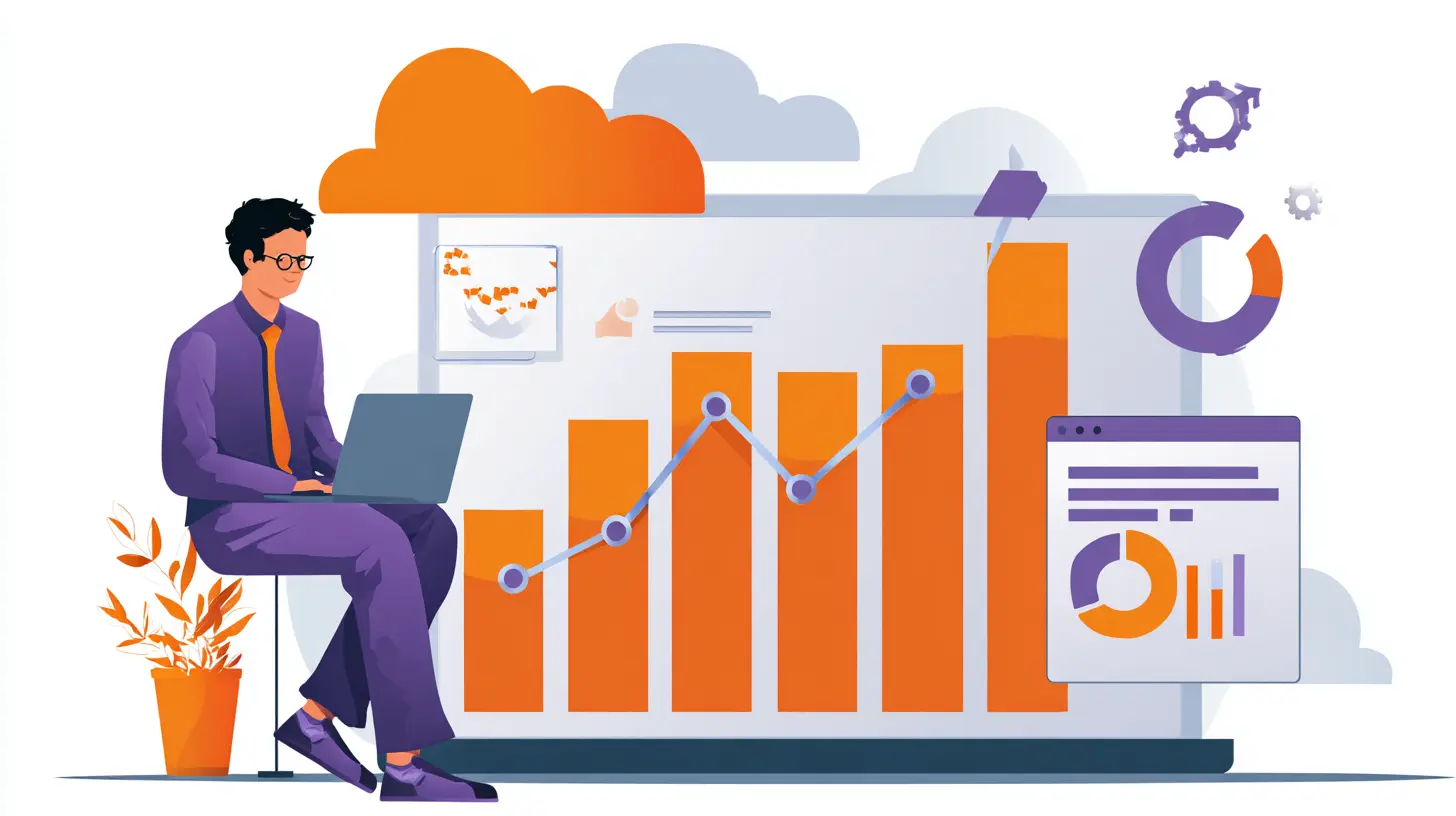
? The Main SaaS Pricing Models (And Their Pros & Cons)
Alright, it’s showtime! Let’s break down the most popular SaaS pricing models, with a few laughs, clear examples, and some honest pros and cons.1. Flat-Rate Pricing — Keepin’ It Simple
What It Is: One product, one price. That’s it. Like the Netflix of SaaS.Example: $29/month for unlimited access.
Pros:
- Super easy to understand
- Predictable revenue
- Easy to sell
Cons:
- Not flexible
- Might leave money on the table if heavy users pay the same as light users
Use it when: Your product has a single use-case and a consistent value for all customers.
2. Tiered Pricing — Goldilocks Style
What It Is: Different pricing levels with different features or limits. Think: Basic, Pro, Premium.Example: $19/month (Basic), $49/month (Pro), $99/month (Enterprise)
Pros:
- Appeals to different customer segments
- Encourages upgrades
- Easier upselling
Cons:
- Can get confusing with too many tiers
- Might require explaining what’s in each package
Use it when: Your buyers vary in size or need, and your features can be easily grouped.
3. Usage-Based Pricing — Pay As You Go, Baby!
What It Is: Charges are based on how much of the service is used.Example: $0.10 per API call, $5 per GB of data, etc.
Pros:
- Aligns price with value
- Scales with the customer
- Low barrier to entry
Cons:
- Unpredictable revenue
- Can confuse customers
- Might discourage usage
Use it when: Your software’s value scales with activity (e.g., cloud storage, APIs).
4. Per-User Pricing — Simple but Scalable
What It Is: Pricing is based on the number of users.Example: $15 per user/month
Pros:
- Easy to understand
- Scales with team size
- Encourages adoption across a company
Cons:
- Discourages adding users
- Can lead to account sharing
Use it when: Collaboration is key and usage grows as teams grow.
5. Freemium Model — Free Tastes, Hooked for Life
What It Is: Offer a basic version for free, charge for premium features.Example: “Sign up for free. Upgrade for more storage!”
Pros:
- Great for user acquisition
- Builds trust with product-led growth
- Encourages product virality
Cons:
- Monetization can be tricky
- Free users still cost money!
- Can drain resources if not managed well
Use it when: Your CAC is high but your product sells itself after trial.
6. Custom Pricing — The Enterprise Special
What It Is: Large clients? Big needs? Quote-based pricing designed just for them.Example: “Contact sales for a custom quote.”
Pros:
- High-value deals
- Tailored pricing flexibility
- Great for complex products
Cons:
- Long sales cycles
- Not scalable for SMB-focused products
Use it when: You target enterprise clients with unique requirements.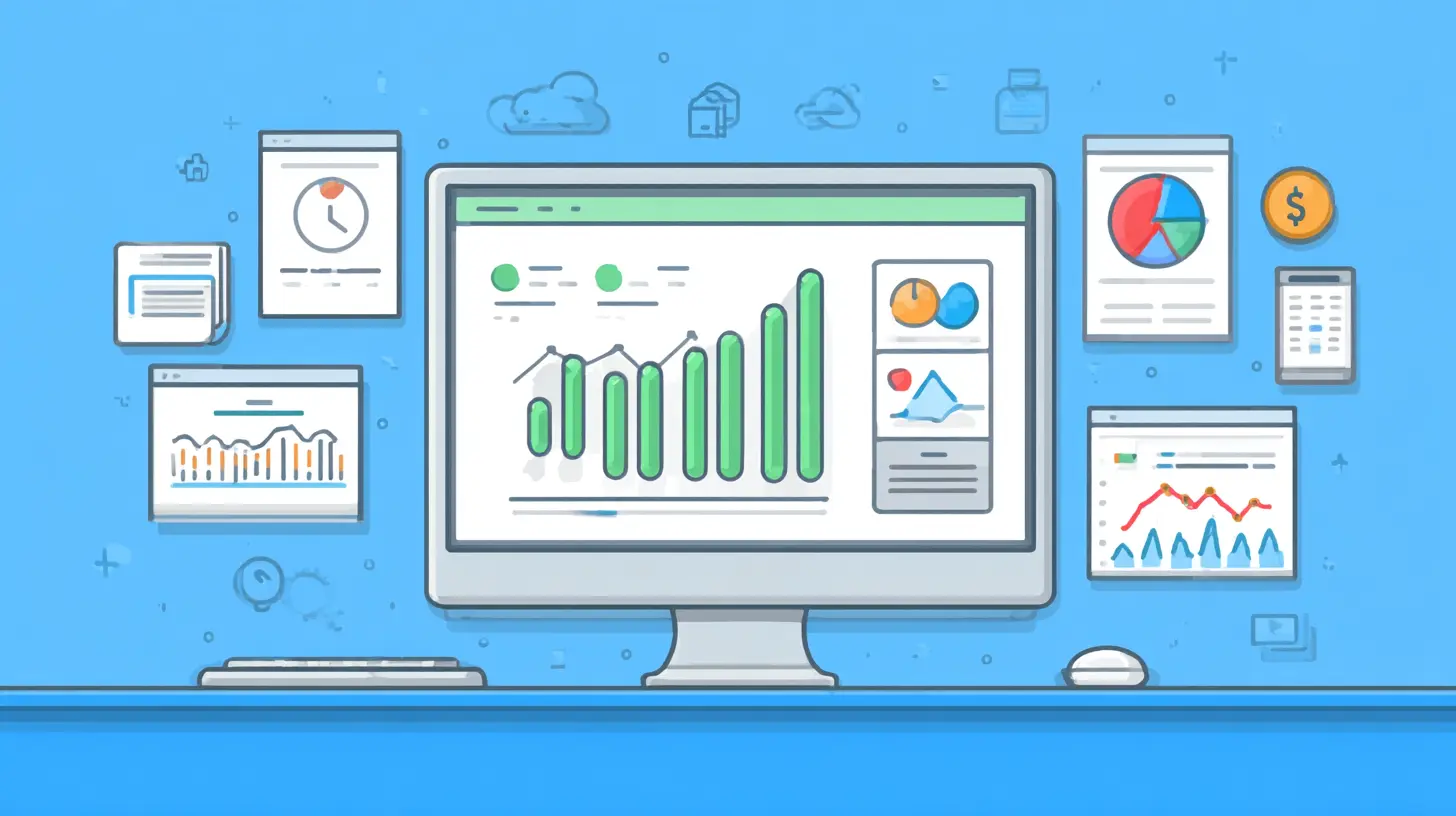
? How to Choose the Right Pricing Model (Without a Crystal Ball)
Alright, now that we’ve laid out the smorgasbord of pricing options, how do you know what’s right for your business? Here’s a quick checklist:- What’s your product’s value proposition?
- Who is your target customer (and what’s their budget)?
- Is your product best suited for wide adoption or deep usage?
- Do your customers’ needs vary significantly?
Still stuck? Test it. No pricing decision should be set in stone. Throw a few models against the wall and see what sticks.
? A/B Test Like Your Life Depends On It (Because Your Revenue Might)
You wouldn’t launch a product without testing, so why launch pricing without validation?Use A/B testing to experiment with:
- Pricing tiers
- Feature bundles
- Trial lengths
- Discounts and deals
- Annual vs. monthly plans
Hot tip: Even small tweaks (like $9.99 vs $10.00) can make a huge psychological difference. Humans are weird like that.
? Time-Based Pricing: Monthly vs. Yearly Subscriptions
Let’s settle this once and for all.- Monthly plans: Lower commitment, easier entry, more churn.
- Yearly plans: Better cash flow, lower churn, stickier customers.
Pro tip: Sweeten the annual deal with a discount. “Pay yearly and save 20%!”—people love feeling like they're getting a steal.
?️ Don’t Forget Tools: Pricing Pages Matter!
Your pricing page is prime real estate—treat it like your penthouse suite.A solid pricing page should:
- Be crystal clear (no “what does this even mean?”)
- Highlight the most popular plan
- Include calls-to-action (CTA)
- Address FAQs
- Use clean design and show comparisons
And hey, throw in a playful touch. "You’ll love our Pro plan so much, your boss might think you're a wizard."
? Common Pricing Mistakes to Avoid (AKA Don’t Do These)
We all mess up sometimes. But when it comes to pricing, these are the potholes you want to dodge:- Underpricing your product: Cheap prices can scream “cheap product.”
- Overcomplicating tiers or features: Decision fatigue is real.
- Ignoring customer feedback: Listen, adapt, rinse, repeat.
- Copying competitors blindly: What works for them might not work for you.
- Never revisiting pricing: Your business grows—your pricing should evolve too.
? Pricing for Profit, Not Just Sales
Here’s the kicker—more users doesn’t always mean more money. Focus on customer lifetime value (LTV), customer acquisition cost (CAC), churn rate, and net revenue retention.Balance growth with profitability. A good pricing model doesn’t just get users in the door—it keeps them around long enough to cover acquisition and generate sustainable revenue.
? Final Thoughts: Pricing Isn’t Set-It-and-Forget-It
Mastering SaaS pricing is a journey, not a destination. You’ll tweak, experiment, cringe, and celebrate every time you optimize your pricing and see a boost in conversion or MRR (monthly recurring revenue).Remember: the best pricing model is the one that aligns with your customers' values—and your business goals. Period.
Oh, and don’t be afraid to raise your prices. If people love your product, they’ll pay for it. Confidence is sexy (and profitable).
all images in this post were generated using AI tools
Category:
Saas BusinessAuthor:

Remington McClain
Discussion
rate this article
1 comments
Journey Baxter
This article offers valuable insights into SaaS pricing strategies. Understanding these models can truly enhance profitability and help businesses align their pricing with customer needs. Great read!
July 14, 2026 at 2:18 AM