Preventing Churn: How to Spot and Retain At-Risk Customers
17 August 2026
Ever had that gut-punch feeling when a long-time customer suddenly ghosts your brand like a bad Tinder date? One minute they're shopping, subscribing, or clicking like there's no tomorrow—and the next? Poof. Gone. Radio silence.
Welcome to the wild world of customer churn.
But hey, don't panic. You're not powerless. In fact, you've got more influence than you think. Preventing churn isn't some arcane business magic—it’s about paying attention, sensing the vibes (yes, really), and taking action before your customer hits the unsubscribe button harder than a teenager on a TikTok scroll.
Ready to keep your customers around longer than a fruitcake in January? Let’s roll.
What Exactly Is Customer Churn?
Let’s start with the basics—what the heck is "churn"?Customer churn, or customer attrition if you’re feeling fancy, is when your customers decide, “Thanks, but no thanks,” and stop doing business with you. For subscription-based models, it's unsubscribing. For e-commerce, it's ghosting your emails and never coming back. For SaaS companies, it's the dreaded "We're moving to another platform" email.
Fun, right? Nope.
Churn is a silent killer of growth. But the cool thing? It’s not random. There are signs, signals, red flags waving in the wind. You just need to know how to spot them—and more importantly, how to swoop in like the customer superhero you are.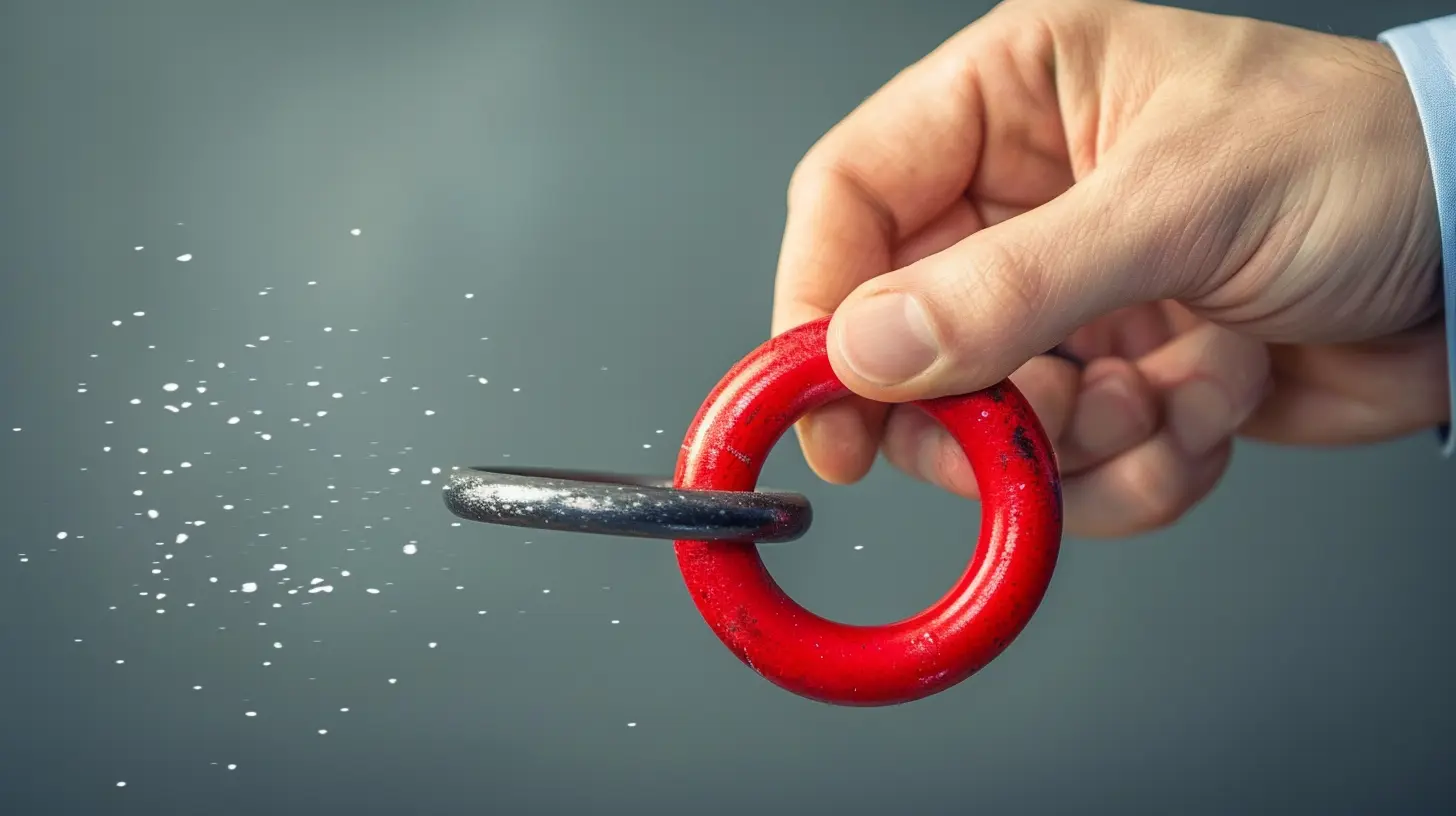
Why Should You Care About Churn?
Here’s the harsh truth: it costs waaaay more to get a new customer than to keep an existing one.We're talking 5 to 25 times more. And let’s face it—no one likes burning through budgets chasing shiny new leads only to watch your loyal customers slip through the cracks.
Not only that, but your existing customers are also your biggest fans. They buy more, refer friends, and leave glowing reviews when they're happy (which, let’s be honest, is marketing gold).
So yeah, preventing churn? It’s kind of a big deal.
The Early Warning Signs of Customer Churn
Just like a rom-com where you realize the love interest is about to walk out the door, there are always signs that a customer is on their way out. You just have to notice them in time.? 1. Decreased Engagement
Used to click every email? Now they don’t even open them?If your once-active users are now as quiet as a library on a Friday night, it’s a classic sign of disengagement. This could mean fewer logins, less time spent on your platform, or no response to campaigns.
Don’t ignore it—this is your “we need to talk” moment.
? 2. Declining Purchase Frequency
If someone used to shop monthly... and now it’s been three months with nothing but crickets, something’s up.Patterns of purchases usually stay consistent—unless a customer is losing interest. Keep an eye on those buying behaviors like a hawk on espresso.
? 3. Increased Complaints or Customer Support Calls
Let’s face it—nobody wants to call customer service. So if a customer is repeatedly reaching out, especially with the same complaints, that’s a bright neon warning sign.This shows frustration, and if it's not handled with care, they’ll take their business elsewhere—probably to your competition.
? 4. Payment Failures & Cancellation Hints
Did a customer’s card just fail? Did they visit the “cancel subscription” page but not actually cancel?Well, that’s the digital equivalent of them standing at the front door with their luggage packed. Time to step in and be charming.
✌️ 5. Silence After Onboarding
You’ve signed someone up—great. But if the customer doesn’t stick around after the welcome parade, you’ve got a churn risk.New users are especially vulnerable. If they don’t find value right away, they won’t wait around to see if it gets better.
How to Prevent Churn Like a Pro (or at Least Like Someone Who Reads Business Blogs)
Alright, now you know what churn looks like. So what do you do about it?Glad you asked. Let’s break it down like a fresh playlist drop.
? 1. Segment Your At-Risk Customers
Not all customers are created equal. Some are just having an off month, others are halfway out the door.Use analytics to identify which customers are showing churn signals—low activity, fewer purchases, complaints. Create a “high-risk” segment and give them the VIP treatment.
Send personalized emails. Offer support. Give them a “we’ve missed you” discount. Just don’t treat them like everyone else.
? 2. Nail Your Onboarding
Want to keep customers longer? Start strong.Your onboarding experience should be smoother than a jazz saxophone solo. Guide new users step-by-step. Provide quick wins. Show them how to get value and where to find help.
Set expectations, offer support, and make them feel like they’ve joined something awesome.
Because nobody sticks around where they feel lost—or worse—ignored.
? 3. Build Relationships, Not Transactions
Imagine if every time a friend texted you, it was just to ask for money. You’d block them before they spelled “Venmo.”Same goes for your customers.
Don’t just be in their inbox asking for another sale. Provide value. Share tips, how-tos, exclusive content, and industry insights.
Be that helpful, witty brand buddy—not the annoying salesperson knocking at 7 AM on a Saturday.
? 4. Act on Feedback (And Ask For It)
Here’s a crazy idea—ask customers how they feel.Send out surveys, gather NPS data, read reviews and support tickets. Then—wait for it—actually do something with that information.
If 20 people say your checkout process is clunky, fix it. If someone says your app is confusing, create a tutorial.
Want to keep customers? Listen like your business depends on it—because spoiler alert: it does.
? 5. Use Predictive Analytics
Time to get nerdy.Modern CRMs and marketing platforms offer predictive analytics that can help you see churn coming before it knocks.
Set up churn scores based on behavior—login frequency, usage time, purchase patterns. The higher the score, the more at-risk the customer is.
Then, boom: targeted campaigns to re-engage them before it’s too late.
?♂️ 6. Offer Proactive Customer Support
Don’t wait for a customer to complain—reach out before they do.If someone’s usage drops, send a quick “everything okay?” message. If their payment failed, offer help rather than a cold reminder.
Being proactive shows care—and people stick around for brands that actually seem to give a hoot.
? 7. Add Value Post-Purchase
The relationship doesn’t end after the credit card goes through. That’s just the beginning.Follow up with product tips, user guides, or invites to your community. Surprise customers with freebies, exclusive deals, or hand-written notes (yes, people still love those).
Delight them. Because delighted customers aren’t just loyal—they’re evangelical.
The Secret Sauce: Customer Success Teams
Think of your customer success team as your frontline defense against churn. These folks aren’t just there to answer questions—they’re your relationship builders.They teach, guide, and make sure customers are actually achieving success with your product or service.
A customer who’s thriving? They’re not even thinking about leaving.
So invest in your customer success team. Train them, empower them, and let them be the rock stars they are.
Final Thoughts: Make Churn Prevention a Habit, Not a Hail Mary
Look, churn isn't going away completely. Some customers will leave no matter what—life happens. But most? They're open to staying… if you give them a reason to.It all comes down to being proactive, human, and intentional.
Catch the signs. Reach out early. Be helpful. Be kind. And never, ever take a loyal customer for granted.
Because in the end, customers don’t just leave companies—they leave experiences that let them down.
So create an experience worth sticking around for.
all images in this post were generated using AI tools
Category:
Customer RetentionAuthor:

Remington McClain