Strategies for Scaling Your SaaS Business Efficiently
13 December 2025
So, you’ve got a SaaS product, maybe it’s already bringing in some recurring revenue, and you’re thinking—“How do I take this to the next level without burning out or blowing up my budget?”
First of all, congrats! You’ve already passed a major milestone that many startups only dream of. But scaling is an entirely different beast. It's not just about working harder; it's about working smarter. And believe me, throwing money at the problem won’t always work (in fact, it often backfires).
In this article, we'll unpack the most effective strategies to scale your SaaS business efficiently—without losing your sanity, your team, or your users.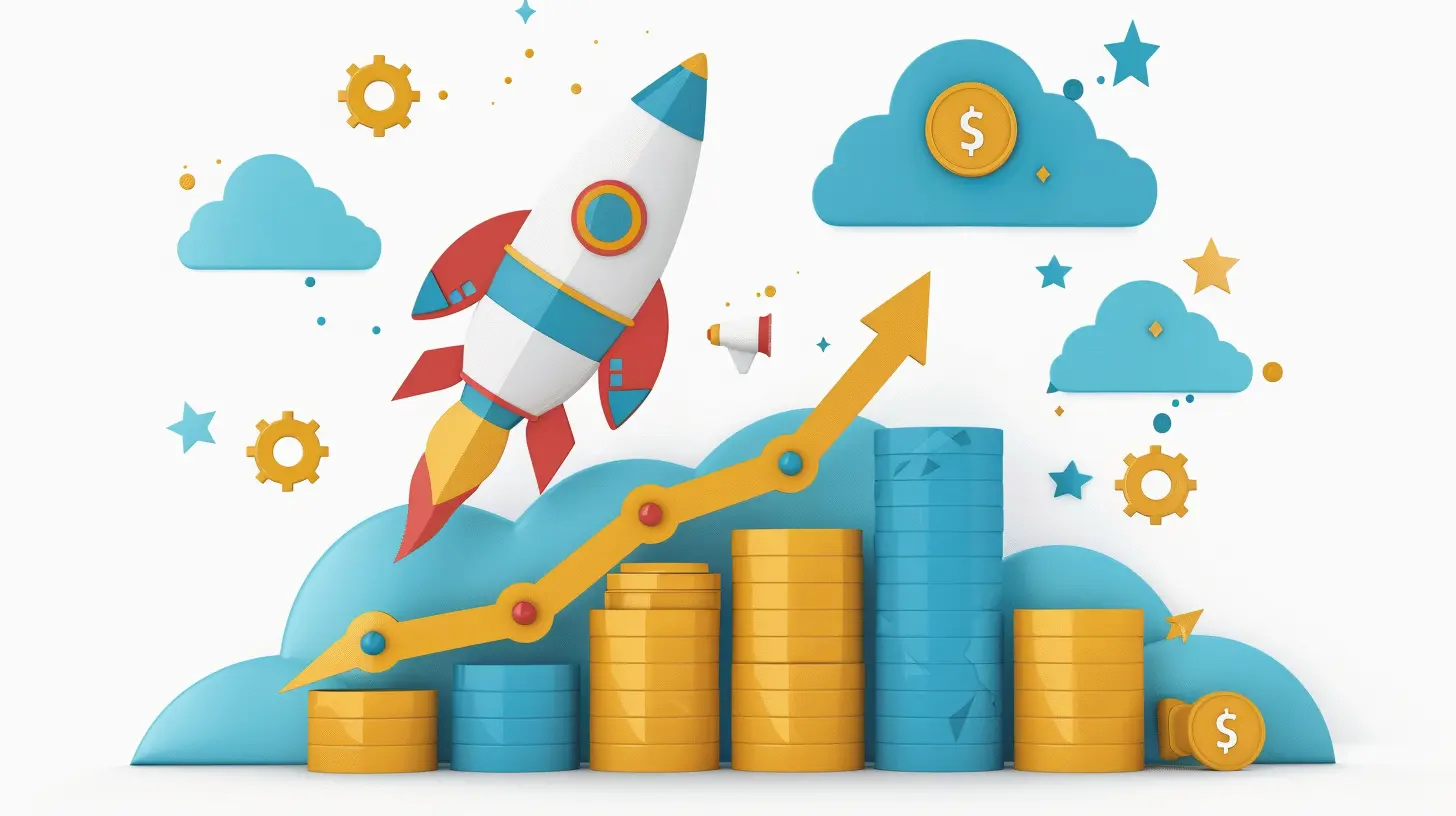
Why Efficient Scaling Matters
Growth is every founder’s dream—but chaotic growth can become a nightmare.Think of your SaaS business like a garden. Watering it every day (consistent effort) helps it grow. But if you suddenly dump gallons of water on it (rapid, unmanaged scale), you'll drown the plants. Scaling efficiently means nurturing growth in a sustainable way.
Not only does this protect your resources, but it also strengthens your foundation so you can scale further without constant firefighting.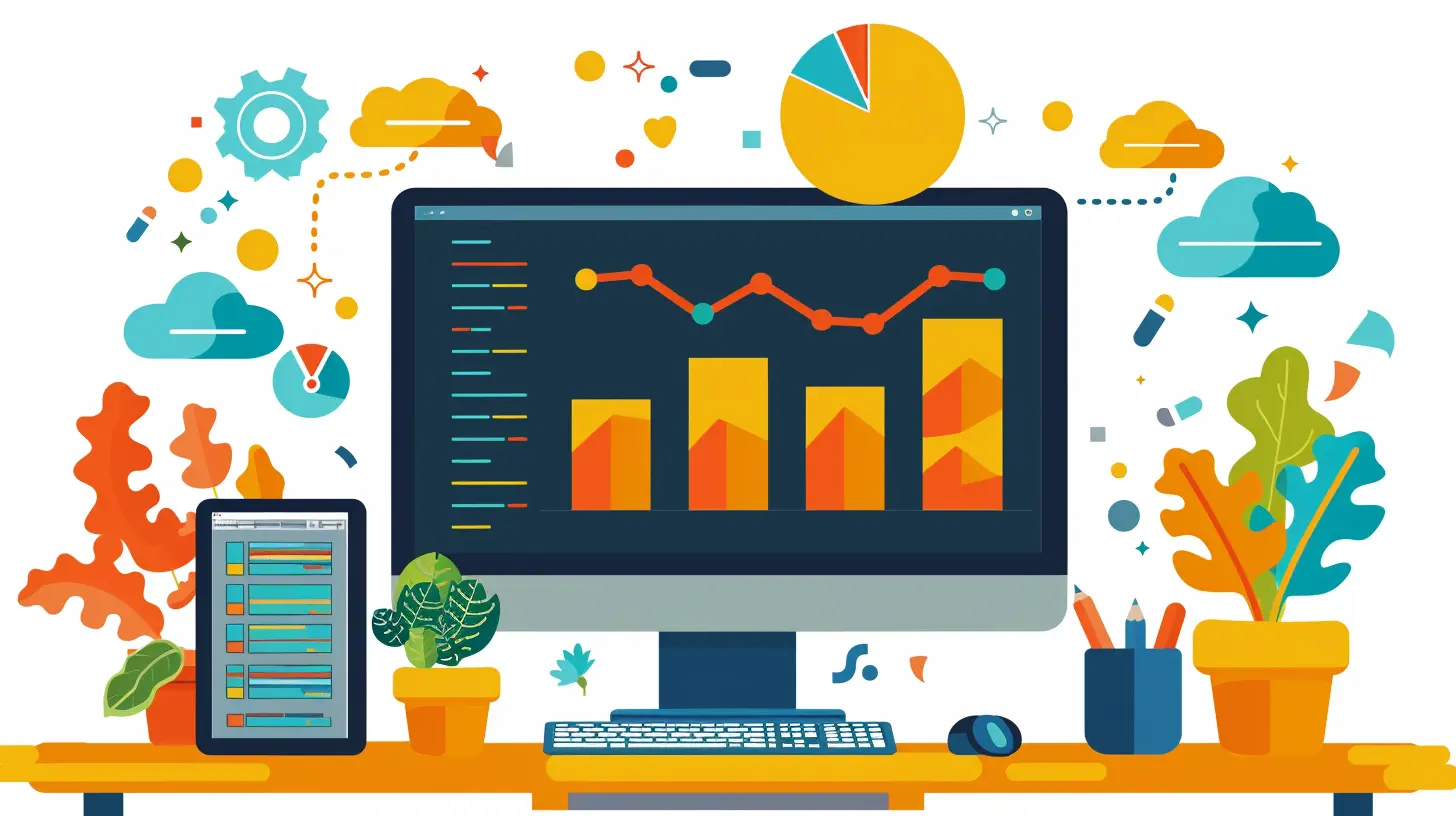
Nail Product-Market Fit First (Seriously, Don’t Skip This)
Before we talk about scaling, let’s get one thing out of the way—do you really have product-market fit?If your churn rate is high, user engagement is low, or you constantly need to convince people to stay—then you’re not ready to scale. Period.
Your product should be solving a real problem so well that your customers would be genuinely upset if it disappeared tomorrow.
Tip: Track Net Promoter Score (NPS), retention rates, and customer feedback. If you’re seeing growth without paid marketing, that’s a huge green flag.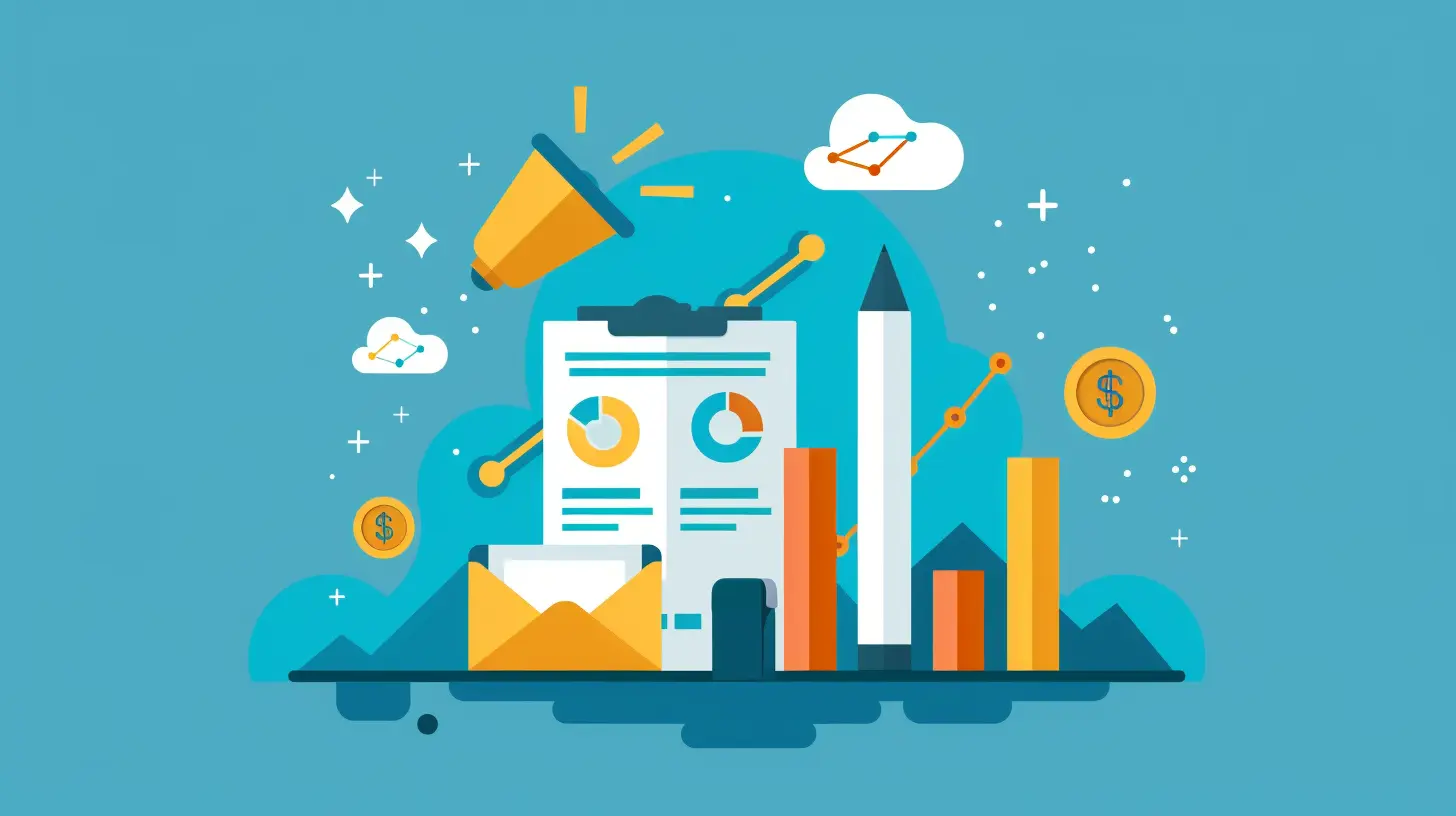
Build a Scalable Infrastructure
You can’t build a skyscraper on a sandcastle, right? Same goes for your tech stack and operations.Invest in the Right Tools Early
We get it—keeping costs down is crucial. But some tools are worth the investment. You’ll need:- Robust Cloud Infrastructure (e.g., AWS, GCP)
- Monitoring Tools (Datadog, New Relic—so you’re not flying blind)
- Automated CI/CD Pipelines (to deploy fast and safely)
- CRM and Marketing Automation Platforms
These tools will help you grow without needing to triple your headcount.
Document Everything
Process documentation might sound boring (and it is), but trust me—it’s a secret superpower. When your team grows, or when you onboard new hires, having standard operating procedures lets you scale without chaos.
Hire with Purpose (Not Panic)
You know what’s worse than not hiring enough people? Hiring the wrong people just because you feel rushed.Build a Core Team Before You Scale
Make sure your foundational hires are solid—think of your product, engineering, customer success, and marketing leads. These are the people who will build AND evangelize your culture.Scale Through Contractors and Agencies (First)
Before hiring full-time roles for every need, consider scaling through freelancers or agencies. You can test different approaches without long-term commitments.Automate Everything You Can
Time is a non-renewable resource—and SaaS businesses run lean. Automating repetitive tasks frees up your team for creative and strategic work.Here’s what you can automate:
- Onboarding Flows: Automated emails, in-app guides, and checklists
- Customer Support: Chatbots and knowledge bases
- Marketing: Email sequences, social media scheduling
- Analytics & Reporting: Dashboards that auto-update
As a rule of thumb: if you’re doing something more than 3 times a week and it feels repetitive—it’s a candidate for automation.
Focus on Customer Success, Not Just Sales
Want to scale without constantly pouring cash into ads? Make your customers so happy they do the selling for you.Build a Proactive Customer Success Team
Don’t wait until your users are unhappy. Proactively reach out, help them get value, and turn them into brand advocates.Reduce Churn Like Your Life Depends On It (It Does)
Churn is the silent killer of SaaS businesses. You work so hard to get a customer—why lose them over something preventable?Use cohort analysis, user feedback, and behavior tracking to understand why customers leave—and fix it.
Double Down on Customer Acquisition Channels That Work
You don’t need to be on every channel—you need to be on the right ones.Focus on High-ROI Growth Channels
Experiment early on, but once you find what works (think: SEO, PPC, content marketing, or partnerships), go all in.Tip: Organic acquisition (like SEO and content) takes time to kick in but pays compound interest. Don’t ignore it.
Referrals = Free Marketing
Make it dead-simple for users to refer others. Give them incentives, create viral loops, and showcase happy user stories.Price for Value, Not for Comfort
Here’s a gut check: Are you underpricing your product because you’re afraid to charge more?Pricing isn’t just about covering costs—it’s a positioning tool. Premium pricing can attract higher-quality users AND fund your growth.
Use Value-Based Pricing
Don’t base your pricing on how much it costs you to deliver the product. Base it on how much value your user gets from it.Think about it:
> “If your product saves a company $50,000/year, why are you charging $50/month?”
Test different pricing tiers, add-ons, and usage-based models to see what resonates most with your users.
Partnerships and Integrations: Grow Together
You don’t have to do it all alone. Strategic partnerships can help you tap into new audiences and add more value without building everything from scratch.API Integrations
Integrate with tools your users already love. Not only does this make your product stickier—but opens up cross-promotional opportunities.Co-Marketing Campaigns
Partner with non-competing SaaS tools for webinars, guest blogging, or bundle offers. Everyone wins.Metrics That Actually Matter
At scale, it’s easy to get distracted by vanity metrics—likes, website traffic, app downloads. But real growth comes from digging deeper.KPIs to Watch:
- MRR (Monthly Recurring Revenue)- Churn Rate
- LTV:CAC Ratio (Customer Lifetime Value vs Acquisition Cost)
- Activation Rate
- NPS (Net Promoter Score)
These metrics tell you whether your growth is sustainable—or just smoke and mirrors.
Don’t Ignore User Feedback (Seriously, Don’t)
Your users know what they want. And if you’re not capturing their feedback, your competitor probably is.Use Feedback Loops
Surveys, NPS tools, live chat transcripts—use them all. Then ACT on what you learn.In fact, some of your most profitable product features might come straight from user suggestions.
Culture: Your Hidden Growth Engine
Let’s not forget the human side of scaling. A toxic culture has killed more startups than competition ever will.Keep Communication Strong
As your team grows, silos can form. Use tools like Slack, Notion, or async video updates to keep everyone aligned and connected.Celebrate Wins, Small and Big
Momentum is contagious. Celebrate progress. Give shout-outs. Recognize effort. When your team feels appreciated, they’ll go the extra mile.Final Thoughts: Scale at Your Own Pace
Scaling’s not a race. It’s more like a marathon—with a lot of unexpected hills and sharp turns.The key is to grow in a way that aligns with your goals, your team, and your customers. Don’t just chase numbers—build something that lasts.
Remember: Efficient scaling doesn’t mean zero hiccups. It means you’re learning, adapting, and improving with every step forward.
So take a breath, trust the process, and keep your eyes on the long game. You’ve got this.
all images in this post were generated using AI tools
Category:
Saas BusinessAuthor:

Remington McClain
Discussion
rate this article
2 comments
London McTier
Focus on customer feedback integration.
January 22, 2026 at 12:43 PM
Remington McClain
Absolutely! Integrating customer feedback is crucial for refining your product and aligning with market needs, ultimately driving growth.
Vanta Barnes
Focus on customer feedback and agile development; they are key to refining your product and ensuring sustainable growth in the SaaS landscape.
December 13, 2025 at 4:41 AM
Remington McClain
Absolutely, customer feedback and agile development are crucial for adapting to user needs and driving sustainable growth in the SaaS industry. Thank you for highlighting this!