The Future of Supply Chain Automation: What You Need to Know
24 December 2025
Supply chain automation is no longer a futuristic concept—it’s happening right now, transforming the way businesses operate. From artificial intelligence (AI) and robotics to blockchain and real-time data analytics, automation is streamlining processes, cutting costs, and improving efficiency like never before.
But where is supply chain automation headed? And how can businesses stay ahead of the curve? If you're wondering what the future holds, you're in the right place. Let's dive into the evolving landscape of supply chain automation and what it means for businesses worldwide.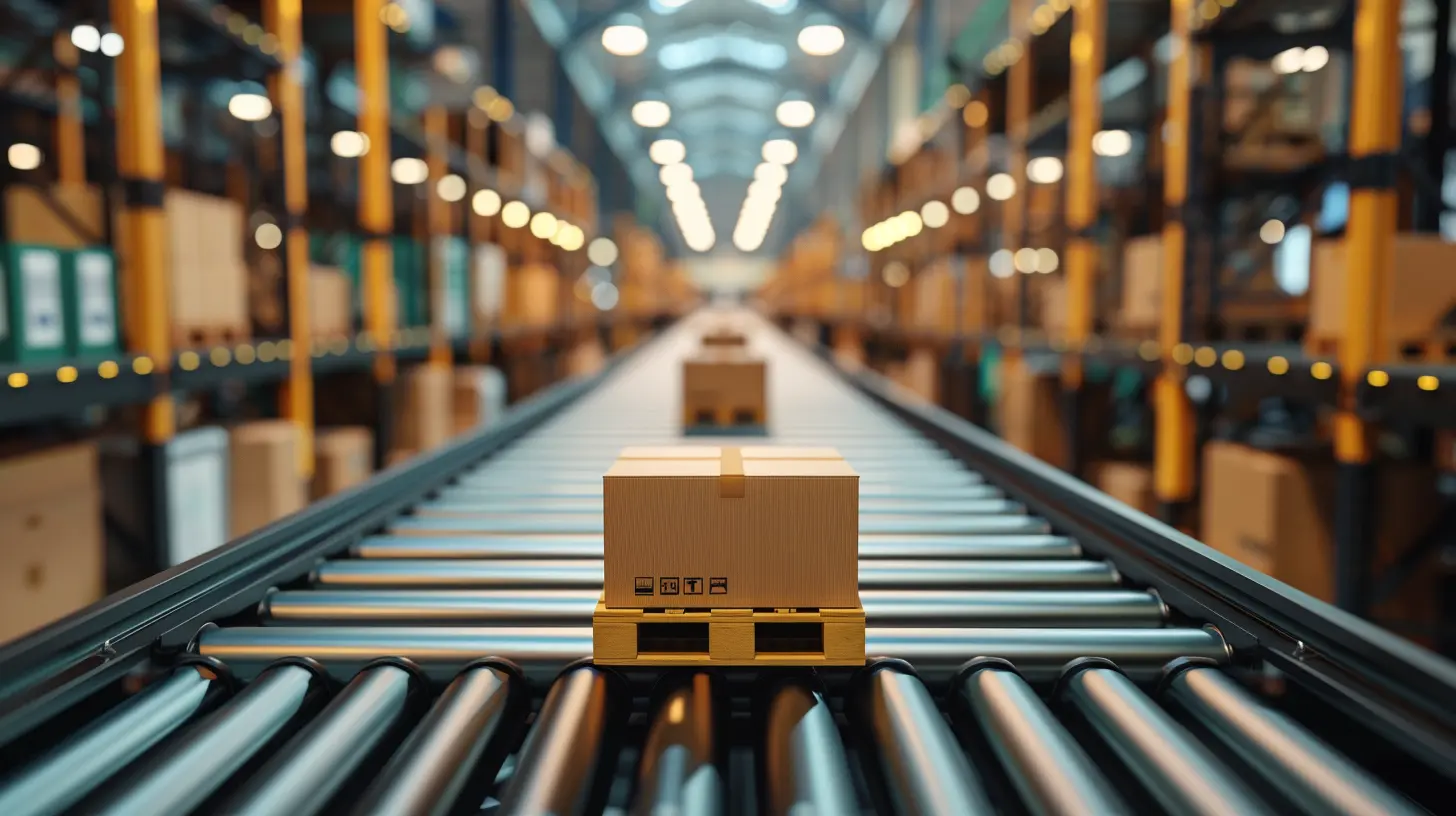
Why Supply Chain Automation Matters More Than Ever
In an era where speed, accuracy, and efficiency are everything, manual supply chain processes just don’t cut it anymore. The rise in consumer expectations, globalization, and unpredictable market conditions make automation a necessity rather than a luxury.Think about it—when was the last time you placed an online order and didn’t expect real-time tracking updates or next-day delivery? Exactly. Businesses must adapt to meet these demands, and automation is the key to making it happen.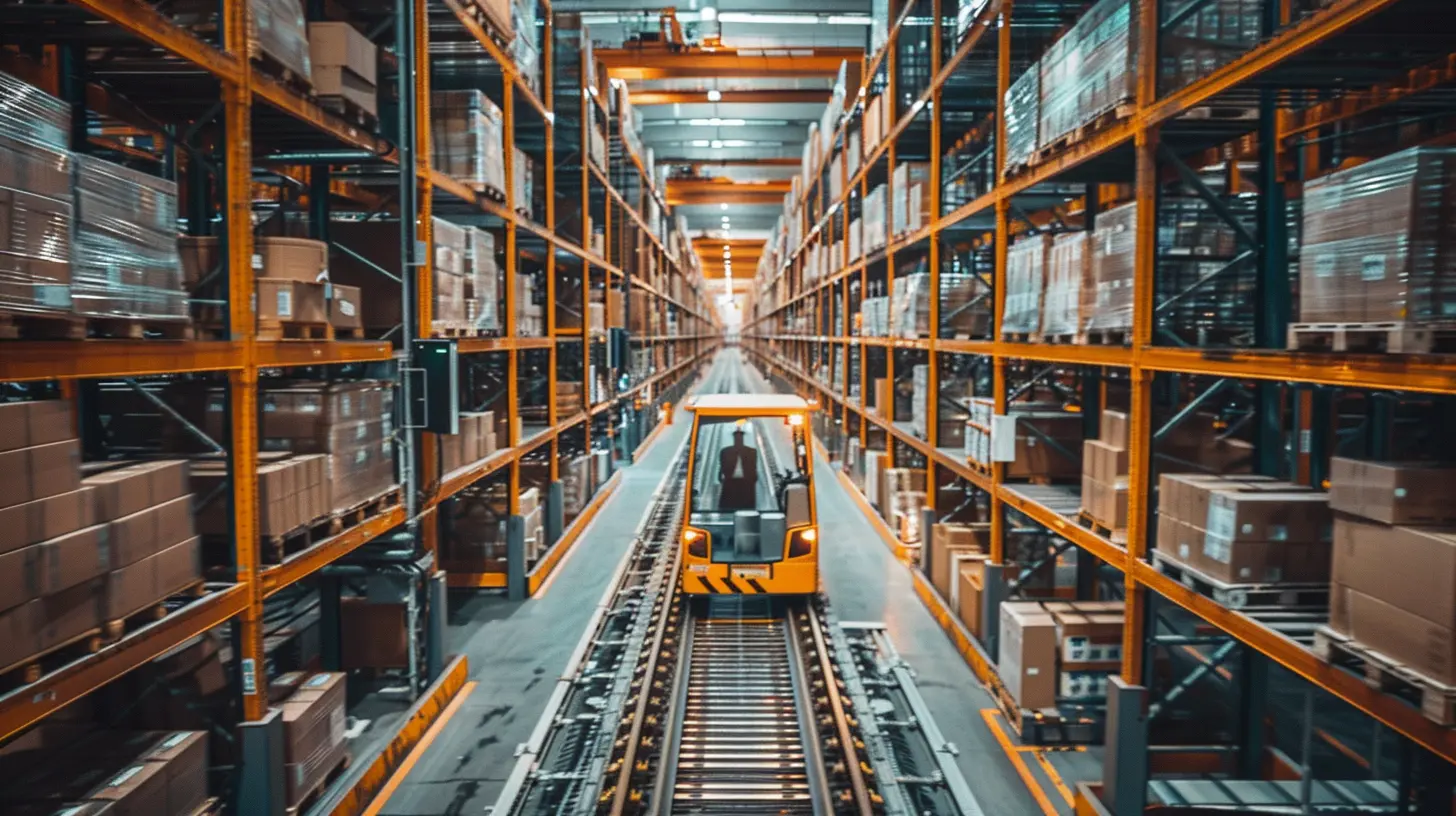
Key Technologies Driving Supply Chain Automation
Technology is the backbone of supply chain automation. Several innovations are shaping the future, making operations smarter, faster, and more reliable.1. Artificial Intelligence & Machine Learning
AI and machine learning (ML) are revolutionizing supply chain management by predicting demand, optimizing inventory, and automating decision-making. These technologies analyze massive amounts of data to provide insights that help businesses make smarter moves.For example, AI-powered demand forecasting can reduce overstocking and understocking issues, ensuring businesses always have the right amount of inventory.
2. Robotics and Autonomous Vehicles
Robotic automation is no longer confined to factory floors. Warehouses are now deploying AI-driven robots for picking and packing orders with incredible speed and accuracy.Meanwhile, autonomous delivery vehicles and drones are shaking up logistics, promising faster and more cost-effective last-mile delivery solutions. Companies like Amazon and FedEx are already testing drone deliveries, hinting at a future where human intervention in delivery becomes minimal.
3. Internet of Things (IoT) and Smart Sensors
IoT devices and smart sensors bring real-time visibility to supply chain operations. From tracking shipments to monitoring warehouse conditions, these smart devices help businesses make data-driven decisions.For instance, temperature-sensitive goods like pharmaceuticals and fresh produce can be equipped with IoT sensors to ensure they remain at optimal conditions during transit. If a temperature fluctuation is detected, automated alerts can trigger corrective actions instantly.
4. Blockchain for Transparency and Security
Blockchain isn’t just for cryptocurrencies—it’s a game-changer for supply chain management. By creating an immutable ledger of transactions, blockchain enhances transparency, prevents fraud, and improves traceability.Luxury brands and food suppliers are already using blockchain to authenticate products and track their journey from origin to customer hands. This technology reduces counterfeit risks and builds trust with consumers.
5. Cloud Computing and Data Analytics
Cloud-based supply chain management solutions offer real-time data access from anywhere, enabling better collaboration across global supply networks. Combined with big data analytics, businesses can uncover patterns, improve demand planning, and optimize logistics routes.For example, retailers use cloud-based inventory management systems to sync stock levels across multiple locations, minimizing backorders and improving customer satisfaction. 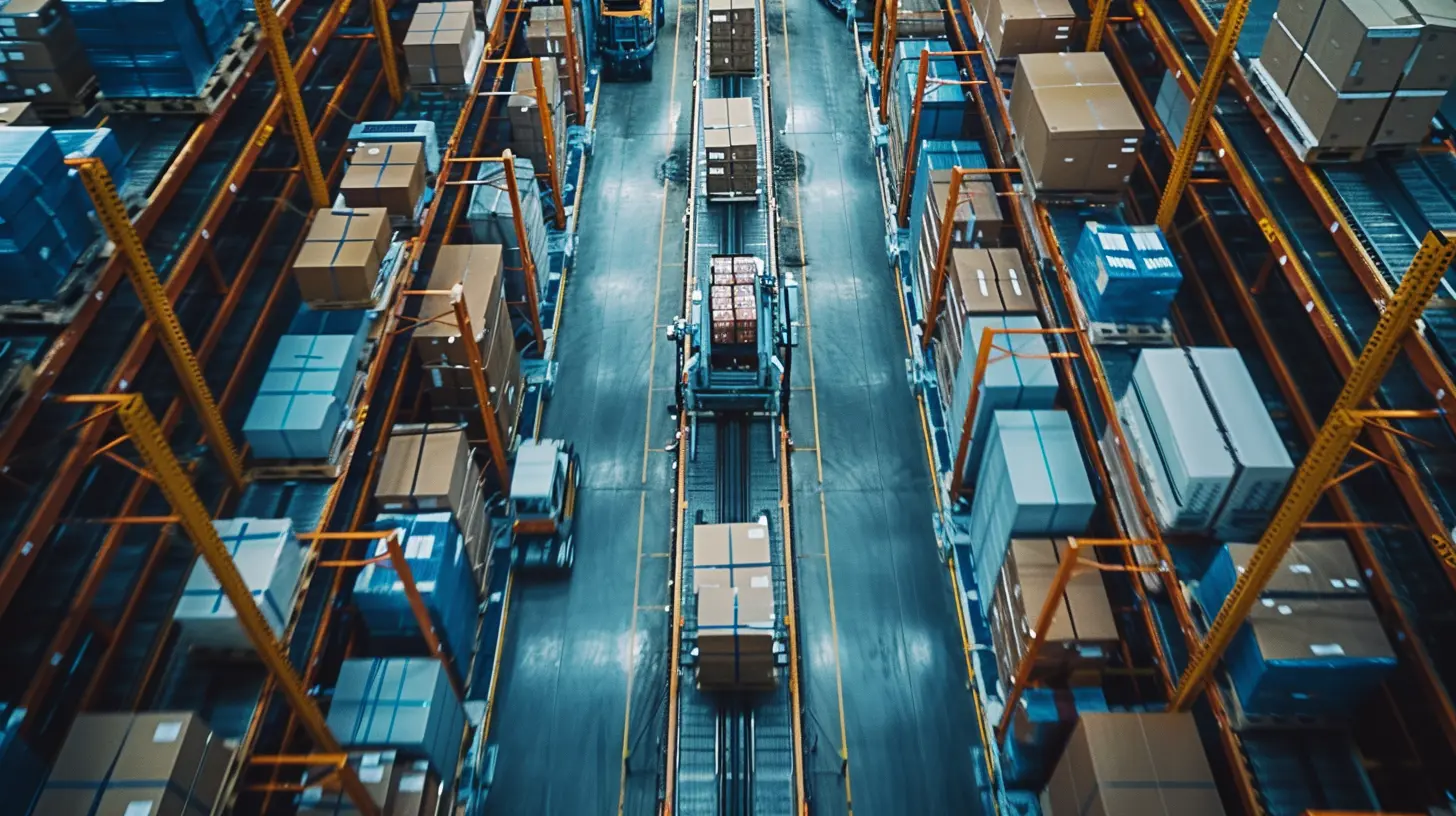
How Automation is Redefining Supply Chain Operations
As technology advances, automation is reshaping various aspects of supply chain operations. Here’s how businesses are benefiting:1. Faster Order Fulfillment
Automated warehouses equipped with robotic picking systems can process orders in minutes instead of hours. This speed boost is critical in the age of instant gratification, where consumers expect rapid deliveries.2. Cost Reduction and Efficiency
Automation cuts down labor costs and minimizes human errors. Smart supply chain systems optimize logistics, reducing waste and improving resource allocation. Companies adopting automation report significant cost savings in the long run.3. Enhanced Risk Management
With AI and predictive analytics, businesses can identify potential disruptions before they occur. Whether it’s a supplier delay or a weather-related shipping issue, automated systems provide proactive solutions to mitigate risks.4. Sustainable and Eco-Friendly Practices
Efficiency and sustainability go hand in hand. Automated systems help reduce carbon footprints by optimizing transportation routes, minimizing waste, and cutting down energy consumption in warehouses.Companies aiming for greener supply chains are leveraging automation to track and reduce emissions, aligning with global sustainability initiatives. 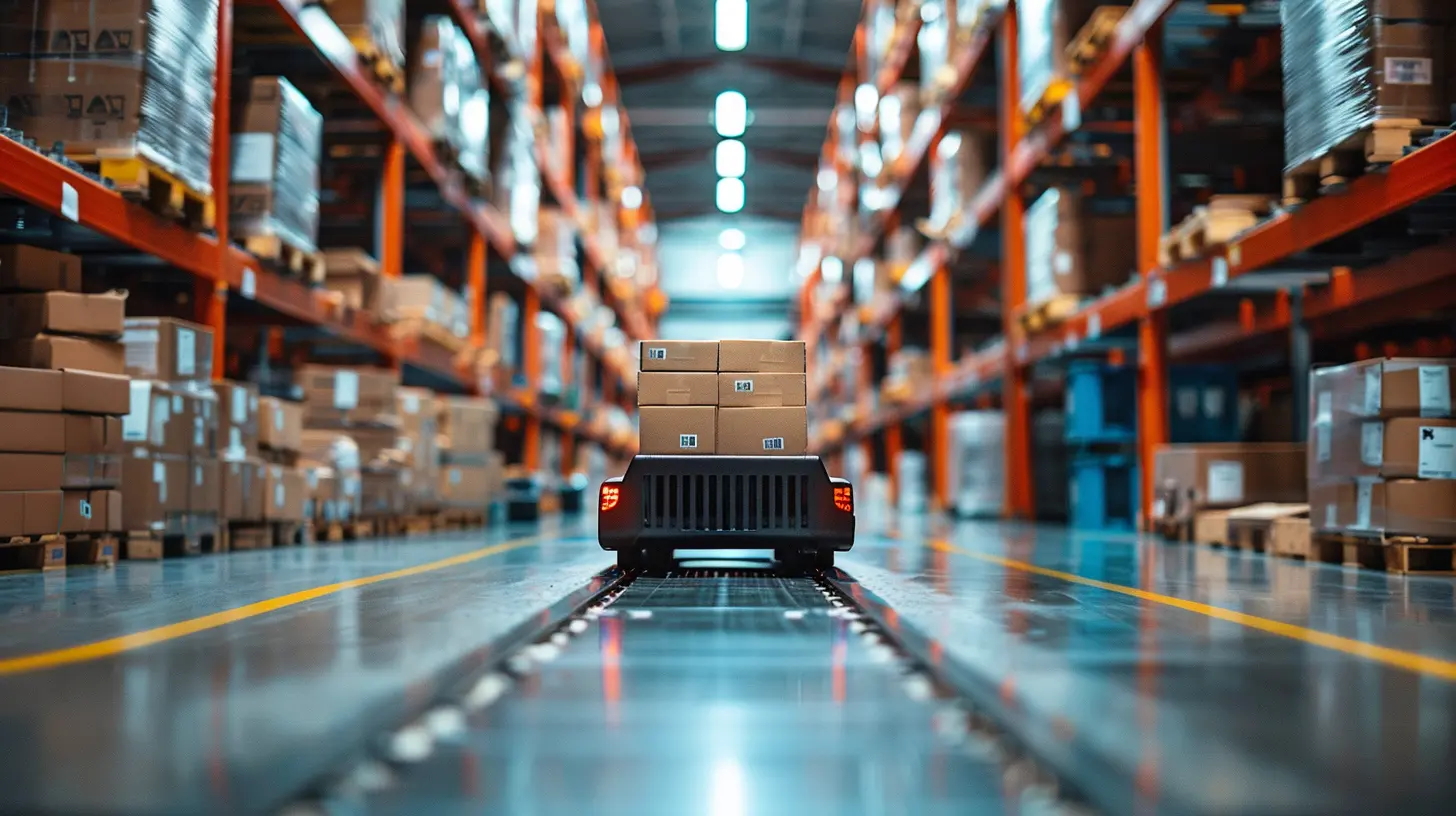
Challenges in Supply Chain Automation
While automation brings undeniable benefits, it’s not without its challenges. Businesses must navigate these hurdles to ensure successful implementation.1. High Initial Investment
Implementing supply chain automation requires significant upfront investment in technology, software, and training. While the long-term benefits outweigh the costs, small businesses may struggle with affordability.2. Integration Complexities
Many businesses operate with legacy systems that aren’t designed for automation. Integrating new technologies with outdated infrastructure can be complex and require expert handling.3. Cybersecurity Risks
With increased reliance on digital systems, cybersecurity threats become a major concern. Businesses must invest in robust security measures to protect sensitive data from cyberattacks.4. Workforce Adaptation
Automation doesn’t necessarily mean job losses, but it does require workforce reskilling. Employees must adapt to working alongside technology, focusing on strategic roles rather than routine tasks.The Future of Supply Chain Automation: What’s Next?
The future of supply chain automation is filled with exciting possibilities. Here’s what we can expect in the coming years:1. Hyper-Automated Warehouses
Warehouses will become highly automated, with AI-powered robotics handling every aspect of inventory management, from receiving shipments to processing returns. The goal? A near-touchless supply chain where human intervention is minimal.2. AI-Powered Decision Making
AI algorithms will take over complex decision-making processes, such as selecting the most cost-effective suppliers, predicting market demand fluctuations, and optimizing delivery routes for maximum efficiency.3. Autonomous Supply Chains
The concept of a self-regulating supply chain is becoming a reality. AI, IoT, and blockchain will work in sync to create supply chains that operate autonomously, responding to disruptions in real-time without human involvement.4. Greater Personalization in Logistics
Expect supply chains to become more personalized. AI-driven logistics solutions will optimize deliveries based on individual customer preferences, ensuring faster and more convenient shipping options.Final Thoughts
Supply chain automation is no longer a futuristic dream—it’s happening now. Businesses that embrace automation will enjoy increased efficiency, cost savings, and enhanced customer satisfaction.However, staying ahead requires continuous adaptation. Investing in AI, robotics, IoT, and blockchain today will ensure businesses remain competitive in the ever-evolving marketplace.
The future of supply chain automation is bright, and those who leverage its potential will lead the way in a fast-paced, technology-driven world. Are you ready to be one of them?
all images in this post were generated using AI tools
Category:
Supply Chain ManagementAuthor:

Remington McClain
Discussion
rate this article
2 comments
Felicity McMurtry
Embracing supply chain automation isn't just about efficiency; it's about survival in a rapidly evolving market. As technology advances, companies unwilling to adapt risk being left behind. The future is here—innovate or be outpaced!
February 2, 2026 at 12:49 PM
Remington McClain
Absolutely! Adapting to supply chain automation is crucial for staying competitive and thriving in today's fast-paced market. Innovation is key to survival.
Lark McGowan
Embrace change; automation will drive your success forward!
December 27, 2025 at 4:42 AM
Remington McClain
Absolutely! Embracing automation is key to leveraging efficiency and driving growth in the evolving supply chain landscape.