The Impact of Digital Transformation on Sustainability Efforts
3 August 2026
We live in a time where the pace of change is mind-blowing. Every day, new technologies pop up promising to make life easier, faster, and more efficient. But here’s a question worth chewing on: Can digital transformation also make our world greener?
You bet it can.
As businesses undergo digital transformation, there’s a quiet but powerful shift happening in the world of sustainability. It’s not just about flashy apps or smart gadgets—it’s about using tech to make a positive impact on the planet. In this article, we’ll peel back the layers and take a close look at how digital transformation is reshaping sustainability efforts around the globe.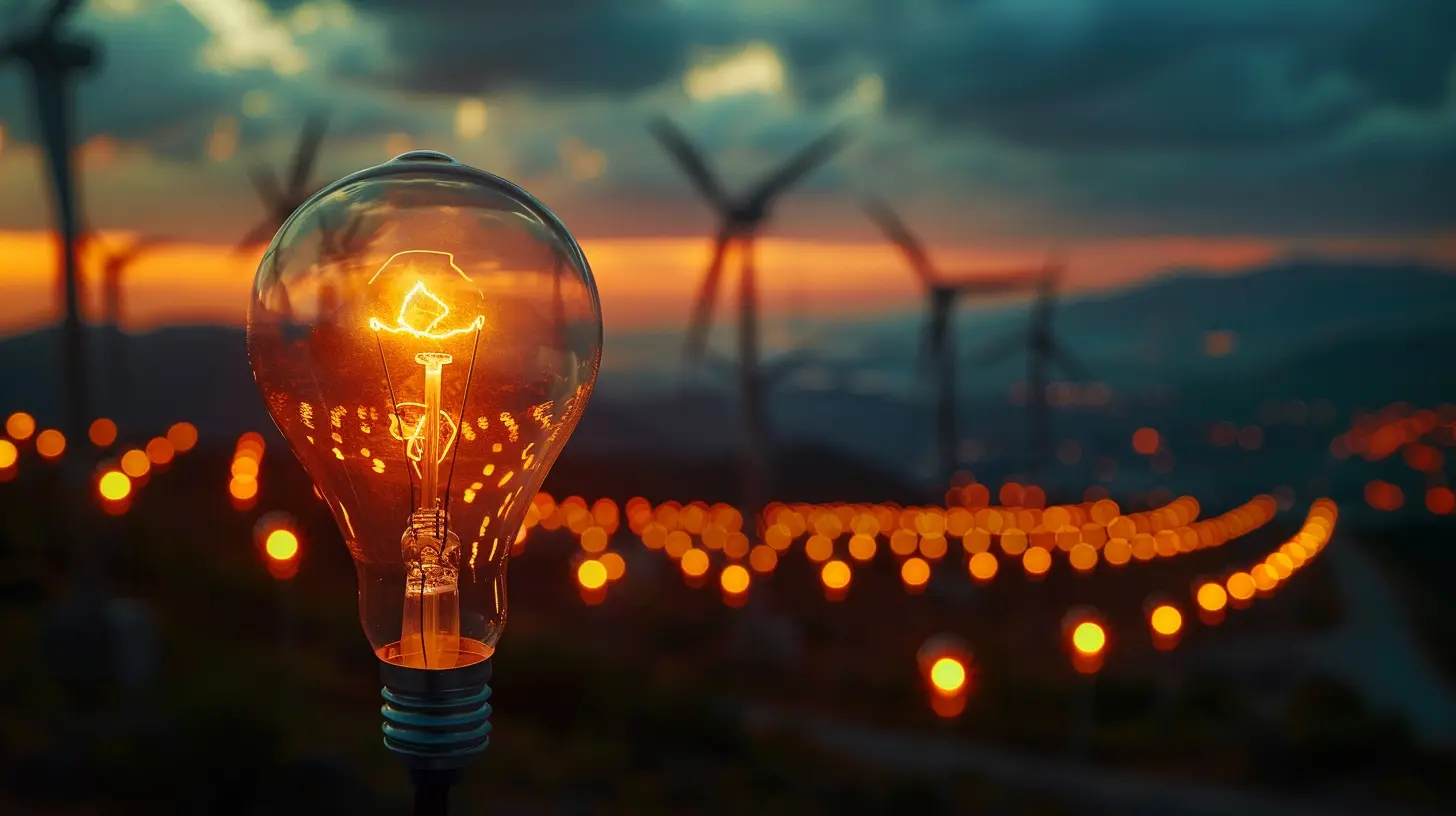
What Exactly Is Digital Transformation?
Before we jump into the green stuff, let’s make sure we’re on the same page.Digital transformation is more than just going paperless or launching an app. It’s the complete overhaul of how a business operates, powered by digital tools and technologies. Think artificial intelligence (AI), the Internet of Things (IoT), big data, cloud computing, automation, and more.
It’s about enhancing customer experiences, streamlining internal processes, and even changing entire business models—all while adapting to a digital-first world.
Now, let’s bring sustainability into the picture.
Sustainability: Not Just a Buzzword Anymore
Remember the time when “going green” was more of a PR move? Well, the tables have turned.Sustainability has evolved from a feel-good initiative into a business imperative. Customers demand it. Regulators expect it. And let’s be honest—our planet desperately needs it.
The pressure is on companies to reduce their carbon footprints, adopt eco-friendly practices, and build long-term strategies that benefit both the business and the environment.
Here comes the game-changer: digital transformation.
How Digital Transformation Drives Sustainability
1. Data-Driven Decision Making
Let’s kick things off with data. Tons of it.When companies digitize, they start collecting data on everything—from energy usage in warehouses to customer purchasing habits. This data isn’t just numbers on a spreadsheet. It’s gold.
By analyzing this data, businesses can spot wasteful practices, identify areas for improvement, and make smarter, more eco-conscious choices. It’s like having a green compass that always points you in the right direction.
For example, a logistics company can optimize delivery routes in real-time to reduce fuel consumption. That’s less pollution, lower costs, and happier customers.
2. Remote Work and Virtual Collaboration
Remember when remote work was a rare perk? Now it’s practically the norm.Thanks to digital tools like Zoom, Slack, and cloud-based software, businesses can run just as smoothly (sometimes even better) without needing everyone in the same building. The result?
- Less commuting
- Fewer office resources used
- Reduced need for massive real estate
It’s a triple win for employees, employers, and the planet.
3. Smart Resource Management
IoT is a fancy term for devices that talk to each other—and it’s doing wonders for sustainability.Think smart thermostats, energy trackers, and intelligent lighting systems. These tools adjust usage based on real-time needs, drastically cutting down on unnecessary energy consumption.
Factories, farms, and even entire cities are using IoT to monitor water usage, manage electricity, and reduce waste. Smart buildings alone can reduce energy consumption by up to 30%. That’s not just smart—it’s revolutionary.
4. Sustainable Supply Chains
Ah, the supply chain. It’s the backbone of any business—and often the dirtiest part when it comes to carbon emissions.Enter digital transformation.
With technologies like blockchain and AI, companies now have better visibility into their supply chain activities. They can track where products come from, how they’re made, and whether suppliers meet sustainability standards.
This transparency helps businesses make responsible sourcing decisions and even hold partners accountable to environmental goals.
5. Reducing Physical Waste Through Digital Products
How many of us used to buy CDs, DVDs, or stacks of paper forms? Now we stream, download, and e-sign everything.Digital products and services cut down on physical production, packaging, and shipping. Less stuff means less waste, fewer emissions, and lower resource consumption.
Even industries like education and healthcare are going digital, reducing the need for textbooks, paperwork, and patient files.
Real-World Examples Worth Mentioning
Let’s bring this to life with some stories that’ll make you go, “Wow!”Microsoft’s AI for Earth
Microsoft launched its “AI for Earth” program to support organizations building tech solutions for environmental issues. From tracking deforestation to monitoring water quality, AI is being used to tackle big ecological challenges.Schneider Electric's Smart Buildings
Schneider Electric transformed its global offices with smart systems that monitor and control energy usage. The result? A major reduction in energy bills and emissions.Unilever’s Sustainable Sourcing
Using blockchain technology, Unilever tracks its supply chain to ensure products like palm oil are sourced sustainably. Transparency is not just a buzzword—it’s a tool for accountability.Challenges That Still Need Tackling
Of course, it’s not all smooth sailing. Digital transformation has its own set of speed bumps.1. E-Waste
Let’s not ignore the elephant in the room. More tech means more devices, and eventually, more electronic waste. If not managed properly, this can offset the sustainability benefits.That’s why companies need to invest in responsible recycling programs and design products with longer lifespans.
2. Energy-Hungry Data Centers
The cloud isn’t as fluffy as it sounds. Data centers that power all our digital activity consume massive amounts of electricity.The bright side? Many tech giants like Google and Amazon are investing in renewable energy to power their operations. But it’s still work in progress.
3. Digital Divide
Not everyone has equal access to digital tools. Developing countries and underprivileged communities may lag behind, creating a gap in who can benefit from sustainable tech solutions.Bridging that gap is crucial if we want a truly global push toward sustainability.
Future Trends: What’s Next?
So, what’s lurking around the corner in this tech-meets-green world?AI-Powered Environmental Monitoring
Imagine drones that monitor endangered animals, or AI that predicts forest fires before they start. These aren’t sci-fi dreams—they’re becoming reality.Green Software Development
Tech companies are starting to design software with energy efficiency in mind, reducing the load on hardware and saving power. It’s like eco-friendly coding.Circular Economy Platforms
Apps and platforms that support reuse, reselling, and recycling are booming. Whether it’s renting clothes or trading second-hand electronics, tech is making the circular economy easier than ever to jump into.What Can Your Business Do Today?
Feeling inspired? Good. Here are some action steps you can start with:- Audit your digital footprint. See where tech is helping—or hurting—your sustainability goals.
- Train your team. Education is key. Make sure everyone understands how digital tools can help your ESG initiatives.
- Partner wisely. Work with vendors and suppliers that align with your values.
- Invest in green tech. Whether it’s cloud computing, energy tracking, or AI tools, every investment counts.
Final Thoughts
Digital transformation isn’t just changing how we work—it’s changing how we care for the planet. It’s giving us the tools to be smarter, faster, and greener all at once.Technology alone won’t save the world. But paired with purpose and a little creativity? We might just get there.
So, the next time you hear “digital transformation,” don’t just think about profits and productivity. Think about the trees it could save, the emissions it could cut, and the future it could help build.
Because at the end of the day, being sustainable isn’t just good business—it’s the right thing to do.
all images in this post were generated using AI tools
Category:
Digital TransformationAuthor:

Remington McClain