The Role of AI in Advanced Cybersecurity Defense
4 June 2026
Let’s be honest—cybersecurity is about as exciting as watching paint dry... until it's not. When your company data gets hijacked, your systems freeze, or a ransomware pop-up demands payment in cartoonish fonts, it instantly becomes your top priority. And in this ever-evolving digital battleground, guess who’s becoming a caped crusader? Artificial Intelligence. Yep, that same AI that predicts your next Amazon order or tells you how to get to the nearest taco place is now standing guard over your digital life.
Welcome to the wild, weird, and wonderfully complex world of AI-driven cybersecurity defense. Buckle up, because we’re about to dive deep—and keep it quirky all the way.
Why Cybersecurity Needs an Upgrade (Like, Yesterday)
Let’s set the stage. Cyber threats today are not just bad guys in hoodies typing away in dimly lit basements. They’re organized, funded, and increasingly automated. We're talking state-sponsored hackers, ransomware-as-a-service, deepfake phishing, and malware that learns from your moves like a digital ninja.Traditional cybersecurity systems? They're trying, but it’s like bringing a butter knife to a lightsaber fight. Static firewalls, signature-based detection, and outdated antivirus tools barely scratch the surface. That’s where AI comes in like a tech-savvy superhero—quick, adaptive, and wicked smart.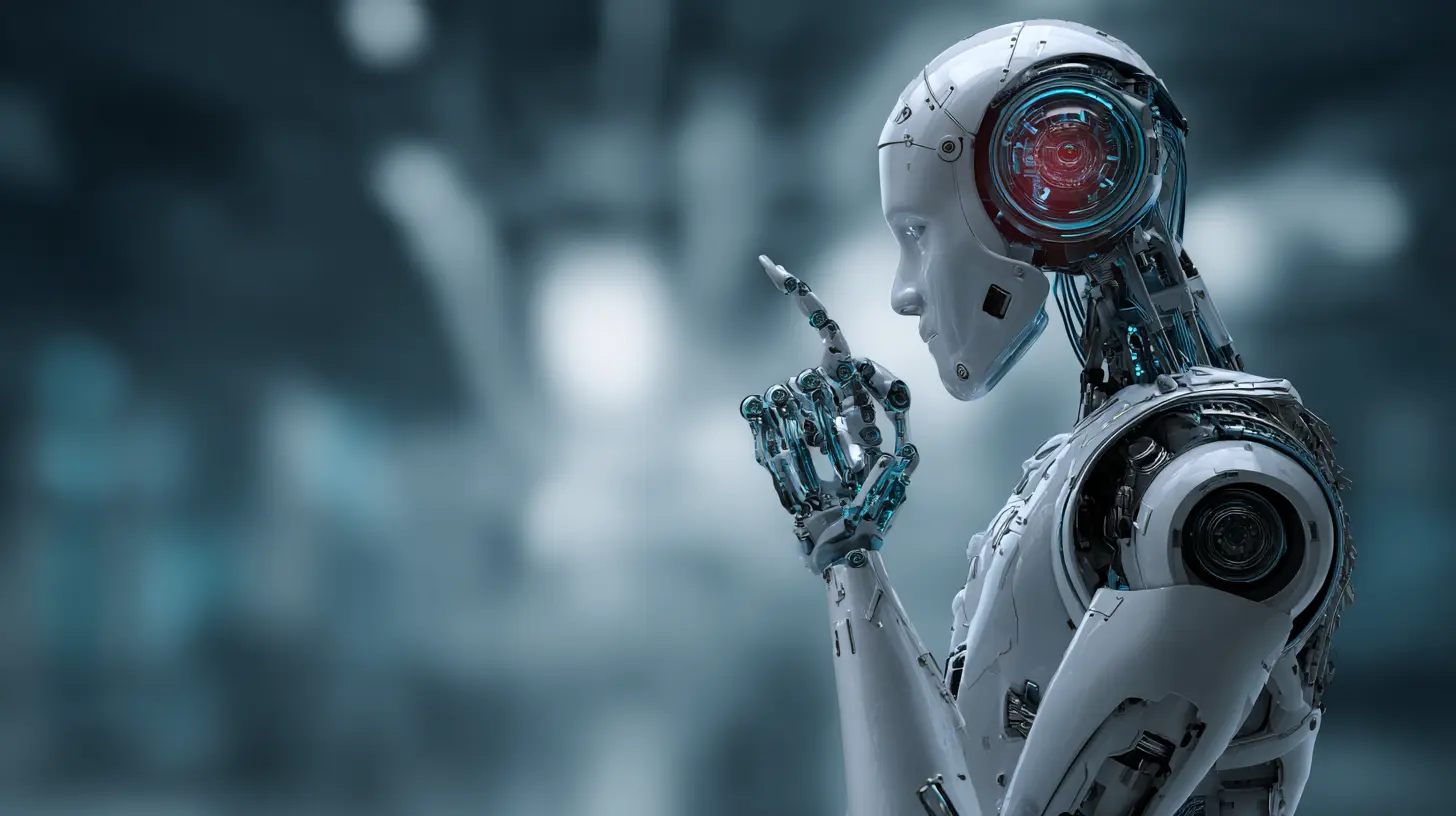
Wait, What Exactly Is AI in Cybersecurity?
Glad you asked. Think of AI (Artificial Intelligence) in cybersecurity like a bouncer at a nightclub, but with a photographic memory and the ability to predict when and where trouble will start. Unlike static security systems, AI doesn’t just sit around waiting for alerts—it digs into patterns, learns behavior, and proactively stops threats before you even know they exist.This intelligence comes in various flavors, including:
- Machine Learning (ML): Learns from data patterns and improves over time.
- Deep Learning: Mimics the human brain and detects complex threats.
- Natural Language Processing (NLP): Understands and processes human language to catch phishing and social engineering attacks.
- Behavioral Analysis: Identifies unusual activity that could signal a breach.
And guess what? The more data you feed it, the smarter it gets. Like a digital Sherlock Holmes with unlimited coffee.
The AI Toolbox: How It Actually Works in Cyber Defense
Alright, enough with the theory. How does AI actually flex its muscles when the digital baddies come to play?1. Threat Detection That Doesn’t Hit Snooze
Most traditional systems work off pre-defined rules. Like, "this file is evil if it contains XYZ." But cybercriminals are clever—they constantly tweak their code to fly under the radar.AI breaks that mold. It learns what “normal” behavior looks like across your network. So, if a random intern's laptop suddenly starts communicating with a server in North Korea at 3 a.m.? Yeah, AI’s throwing up red flags real quick.
2. Real-Time Response Like a Digital Gladiator
Speed is everything in cybersecurity. The faster you catch and neutralize a threat, the less damage done. AI systems aren’t just watching—they’re reacting. Quarantining files, alerting teams, and sometimes even fixing the issue before anyone notices.It’s like having a vigilant bodyguard who reacts before the punch is thrown.
3. Predictive Analytics: Looking into the Hacker Crystal Ball
AI doesn’t just tackle existing threats—it predicts them. By analyzing historical data, traffic logs, and user behavior, AI can forecast the likelihood of future attacks. It’s like insurance, but instead of covering the damage, it tries to stop it from happening altogether.So yes, AI kind of moonlights as a fortune teller too.
4. Killing Phishing Attacks Dead
Ever get those emails from a “CEO” asking for “urgent gift card help”? Yeah, phishing scams are getting super realistic.AI-powered email filters use NLP to scan and understand the semantics and structure of emails. So even if a phishing email uses clever tricks or slightly altered domains, AI’s on it like white on rice.
5. Vulnerability Management: Finding Holes Before Hackers Do
Let’s face it, your systems have holes. Not because you’re irresponsible, but because software is complex. AI scans your entire IT infrastructure continuously, flags vulnerabilities, and even ranks them by threat level.No more waking up at 3 a.m. sweating about unpatched servers. AI’s already made the to-do list for you.
Real-World AI Cybersecurity Tools That Kick Butt
Let’s not keep this theoretical forever. Here are some AI-driven superheroes in the real world:- Darktrace: Detects anomalies across digital environments using self-learning AI.
- CrowdStrike Falcon: Uses behavioral AI to stop breaches in real time.
- Cylance: A predictive tool that blocks threats using pre-execution analysis.
- Vectra AI: Monitors user and device behavior to spot insider threats.
- IBM Watson for Cybersecurity: Combines cognitive computing with vast threat data.
These platforms aren’t just tools—they're like hiring an elite squad of digital bodyguards who don’t sleep.
AI vs. Hackers: The Cat-and-Mouse Evolution
Now, here's where it gets mind-bending. Hackers are using AI too. Yep, the same tech we're using to stop them is being deployed against us.Imagine malware that learns from your defense systems, adapts, and morphs like a digital chameleon. That’s already happening. Deepfake videos? AI. Spear-phishing emails that mimic writing styles? AI again.
It’s an arms race—a digital Tom and Jerry where both sides have jetpacks.
So what’s the defense? Well, more AI. It’s a bit ironic, but the best way to fight AI-driven threats is with more advanced AI defenses. Essentially, we’ve got a Skynet vs. Skynet situation here. Let’s just hope we picked the right side.
Can AI Replace Human Cybersecurity Experts?
Short answer? Nope. Long answer? Not yet, anyway.AI is brilliant, fast, and tireless, but it lacks the creative problem-solving and nuanced judgment that humans bring to the table. An AI might detect a threat, but deciding what to do about it, prioritizing tasks, or predicting long-term strategic impacts? That’s still our job.
Think of AI not as a replacement, but as the ultimate sidekick. Batman still needs Robin, after all.
Challenges of Using AI in Cybersecurity (It’s Not All Sunshine and Firewalls)
Before we crown AI the savior of the digital universe, let’s talk about a few not-so-glamorous realities:- False Positives: AI systems sometimes cry wolf. Dealing with too many false alerts can desensitize teams.
- Data Privacy: Feeding massive amounts of data into AI systems creates its own privacy concerns.
- Cost and Complexity: Implementing a robust AI system isn’t cheap or simple.
- Algorithm Bias: If the training data is biased, the AI can inherit those flaws.
It’s not perfect—but hey, neither are humans. (We still click on cat videos during work, don’t we?)
The Future of AI in Cybersecurity: Where Are We Heading?
This isn’t just a phase—AI in cybersecurity is here to stay and evolve. We’re heading toward:- Autonomous Response Systems: AI that fully neutralizes threats without human involvement.
- AI-Driven Compliance Management: Constantly monitors and ensures regulatory compliance in real-time.
- Hybrid AI-Human Security Teams: Think of it like Iron Man in his suit—tech plus human ingenuity.
- Quantum-Ready AI Models: Preparing for the next frontier—quantum computing and its security implications.
In the future, we may see AI handling entire security ecosystems—predicting, preventing, and responding to threats as naturally as checking your email.
Final Thoughts—The AI Knight in Digital Armor ?️
So, what’s the takeaway here? AI isn’t just a buzzword tossed around in TED Talks and startup pitches. It’s a core player in the next-gen cybersecurity defense game. It learns fast, reacts faster, and keeps getting better. Is it perfect? Of course not. But when used wisely, it reduces risk, blocks attacks, and frees up human experts to do what they do best: think critically and solve big-picture problems.We live in a digital age where your data is often more valuable than your wallet—and in this new battleground, AI might just be the best line of defense we’ve got.
So the next time you read about a massive breach on the news, take comfort in knowing your company has a digital superhero patrolling the gates—quietly, constantly, coolly—thanks to AI.
all images in this post were generated using AI tools
Category:
CybersecurityAuthor:

Remington McClain
Discussion
rate this article
1 comments
Zara McKellar
This article highlights an important aspect of modern cybersecurity. By integrating AI into defense strategies, businesses can enhance their threat detection and response capabilities. Emphasizing continuous learning will be key to staying ahead of evolving threats.
June 13, 2026 at 2:51 AM