The Role of Ethics in the Age of Autonomous Systems
24 October 2025
Have you ever stopped for a second and thought about how much control we’re giving to machines these days? From self-driving cars zipping through city streets to AI-powered chatbots handling sensitive customer data, autonomous systems are no longer confined to the realm of sci-fi—they're real, they're here, and they’re rapidly becoming a part of our daily lives.
But as these systems get smarter, questions start creeping in. Is this safe? Is it fair? Who’s responsible if things go sideways? That’s where the big E-word comes into play: ethics. In this article, we’ll take a deep dive into the crucial role ethics plays in the age of autonomous systems, why it matters, and what needs to be done to ensure we don’t lose our humanity in the pursuit of innovation.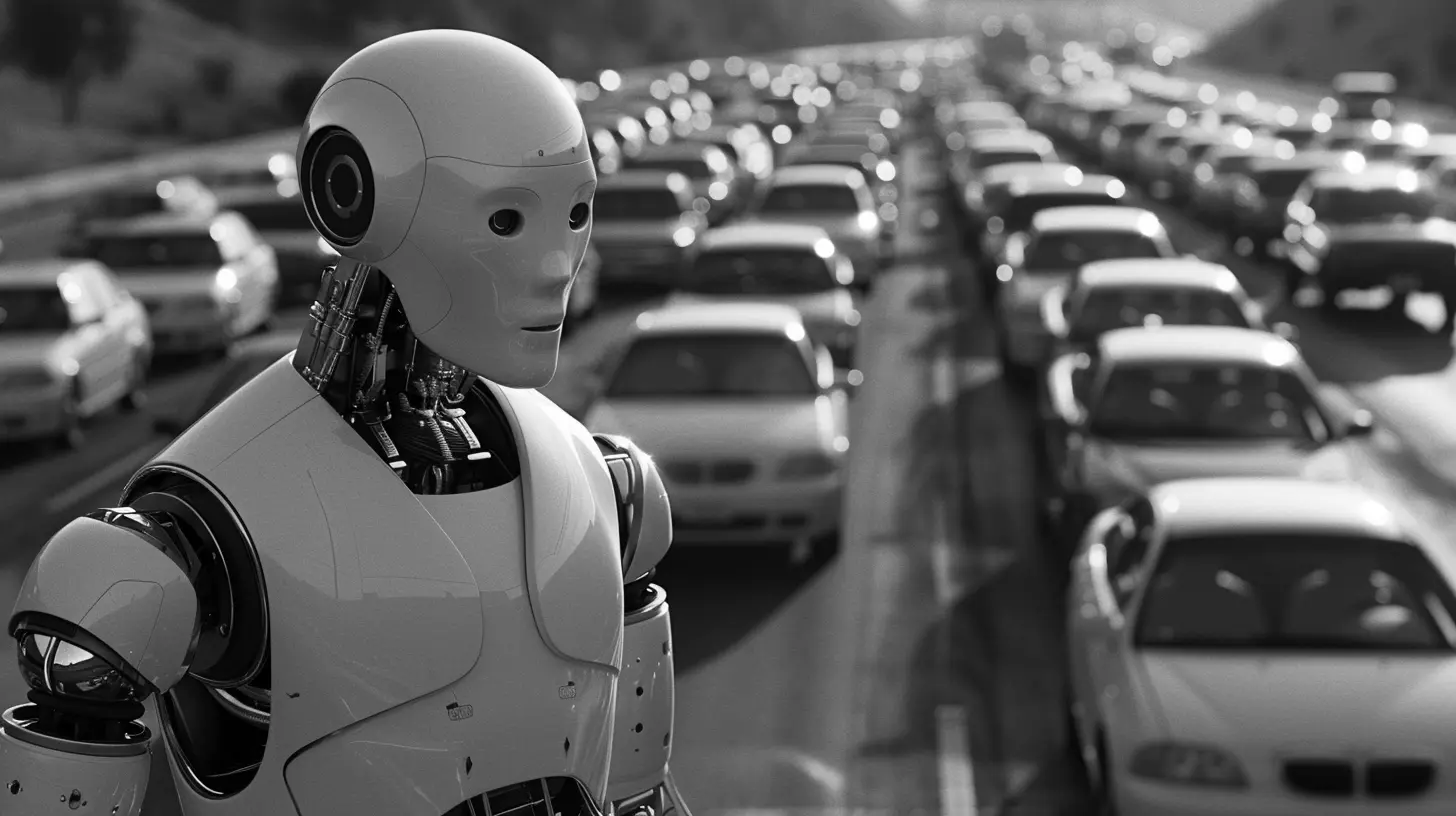
What Are Autonomous Systems, Anyway?
Think of autonomous systems as tech that can make decisions without constant human input. They learn from data, adapt over time, and often outperform humans in specific tasks. Sounds cool, right? It is—until we start peeling back the layers.From smart drones delivering packages to algorithms that decide who gets a loan or medical treatment, these systems are shaping how we live, work, and even how we’re judged. And the scariest part? They don’t have a moral compass unless we give them one.
Why Ethics Can’t Be an Afterthought
Let’s not sugar-coat it—tech moves fast. Faster than regulations, faster than public understanding, and sometimes, faster than sense. But ethics? That’s what grounds us. It's like the seatbelt in a race car; it doesn't slow things down, it keeps us safe while moving fast.When autonomous systems make decisions, especially those affecting real people, they should reflect human values—fairness, accountability, empathy, and transparency. Without these ethical guardrails, we risk ending up in a world where machines make decisions that are efficient... but heartless.
Real-World Ethical Dilemmas in Autonomous Tech
Theoretical musings are one thing, but let’s get real. Here are some ethical landmines we’re already stepping on:1. Self-Driving Cars and the Trolley Problem
Ever heard of the trolley problem? It's a classic ethical dilemma. Now imagine a self-driving car faced with a similar situation—brake and hit a pedestrian, or swerve and harm the passenger. Who lives? Who dies? And who programs that decision?That’s not just a nightmare scenario—it’s something companies have to think about every day. The algorithms in autonomous vehicles must be trained to respond to life-and-death situations. And guess what? There’s no universally "correct" answer.
2. AI in Hiring and Recruitment
Companies are turning to AI to scan resumes, conduct initial interviews, and even recommend who gets hired. Sounds efficient—but what if the system is biased? Maybe it favors certain names, schools, or backgrounds based on past data.Without ethical oversight, these systems can reinforce existing inequalities, often without anyone realizing it.
3. Autonomous Weapons
Let’s not ignore the elephant in the room: autonomous weapons. Machines capable of deciding who lives and who dies on the battlefield, without direct human control. There's an ongoing global debate about banning these systems, and for good reason. When machines are given the license to kill, ethics isn’t just important—it’s essential.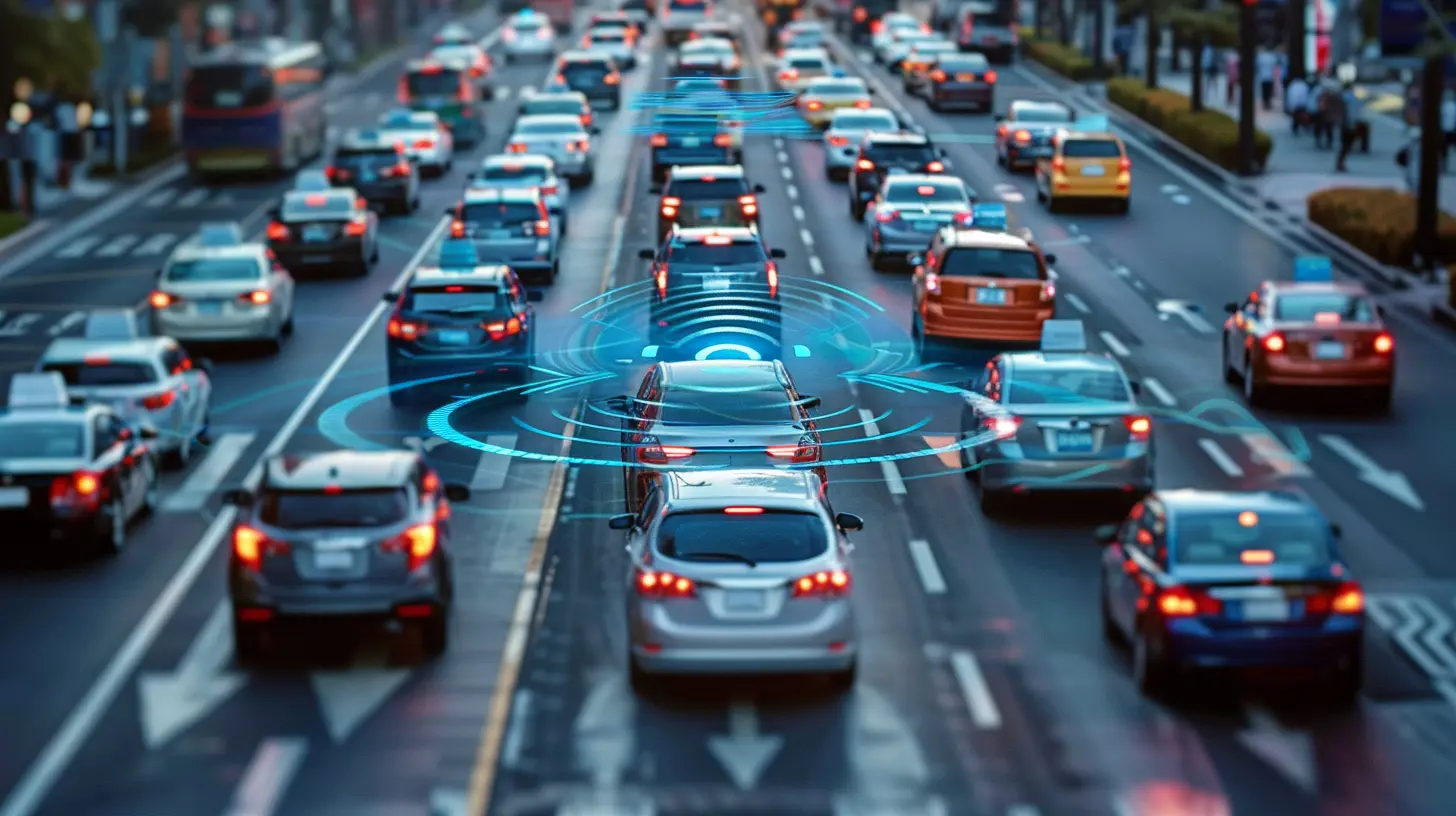
The Moral Responsibility: Who’s Accountable?
Here’s a question that keeps ethicists up at night—when something goes wrong with an autonomous system, who’s to blame? Is it the developer, the company that deployed it, or the machine itself?Unfortunately, there’s no clear-cut answer. But one thing’s for sure: pushing responsibility into a blurry grey area only breeds mistrust. The goal should be to ensure that, even as machines become more autonomous, the accountability chain doesn't disappear.
Building Ethical Autonomous Systems: What Does It Take?
So, how do we bake ethics into the system—right from the get-go? It’s not just about good intentions. Here’s what it really takes:1. Diverse Development Teams
Homogenous groups tend to think alike. By having developers from different backgrounds—cultural, gender, socio-economic—you increase the odds that blind spots are caught early. Ethics isn't one-size-fits-all; it's nuanced, and diversity helps bring that nuance to the forefront.2. Ethical AI Frameworks
Just like we have blueprints for building bridges, we need ethical blueprints for building autonomous systems. These frameworks ask all the tough questions upfront—Is the data fair? Is the outcome explainable? Can the decision be audited?One promising example is “Explainable AI” (XAI), which ensures that systems don’t just spit out answers, but also explain how they got there.
3. Continuous Monitoring and Feedback Loops
Ethics isn't a “set it and forget it” thing—it needs constant vigilance. Systems should be monitored after deployment to catch unintended consequences. If something goes wrong, we need a clear process to fix it and learn from it.Transparency Isn’t Optional—It’s Non-Negotiable
Imagine being denied a loan or insurance policy by an AI system, and no one can explain why. That’s not just frustrating—it’s unacceptable.Transparency means giving users some insight into how decisions are made. It doesn’t mean revealing intellectual property, but it does mean providing understandable explanations. Otherwise, users are left powerless and companies face a serious trust deficit.
Trust: The Ultimate Currency
Here’s the deal—if people don’t trust autonomous systems, they won’t use them. Ethics plays a massive role in building that trust. Just like you wouldn’t board a plane without knowing it's passed safety checks, folks won’t hand over control to machines unless they're confident those machines operate fairly and safely.Ethical lapses aren’t just bad PR—they’re business killers. Building trust is a long game, but losing it? That happens in a blink.
How Governments and Industry Can Work Together
Let’s face it—change doesn’t happen in a bubble. Governments, tech companies, academics, and civil society all need to be at the table. Here’s how collaboration can make a difference:- Regulation with Flexibility: Laws shouldn’t stifle innovation, but they must prevent harm. We need smart laws that adapt as technology evolves.
- Public Engagement: People deserve a say in how these systems affect their lives. Public forums, surveys, and town halls can bring much-needed perspectives.
- Global Standards: Tech is global, and ethics should be too. A unified global approach can prevent a “race to the bottom” where companies shop for the least strict regulations.
The Future: Where Do We Go From Here?
We’re not anti-tech here. In fact, most of us are tech lovers. But innovation without ethics is like a car with no brakes—it might be fast, but it’s dangerous.As we continue to develop autonomous systems, the question isn’t just "Can we build it?" but "Should we?" and more importantly, "How should we?"
Ethical thinking needs to be part of the process from day one, not something tacked on at the end. We’ve got to teach students, developers, and leaders that ethics and innovation go hand in hand. Only then can we build a future that’s not just smart, but also right.
Final Thoughts: Let’s Be Human About It
At the end of the day, no machine—no matter how intelligent—can define what’s right or wrong on its own. That’s our job. Ethics isn’t about slowing things down; it’s about making sure we’re building a future that aligns with our values.So the next time you interact with an autonomous system, take a moment to ask: who decided how this behaves? Were they thinking about fairness? Safety? Accountability?
If we want a future we’re proud of, where technology uplifts us instead of divides us, then ethics can’t be just a checkbox—it has to be the cornerstone.
Let’s make sure we stay human in the age of machines.
all images in this post were generated using AI tools
Category:
Business TrendsAuthor:

Remington McClain
Discussion
rate this article
1 comments
Weston Wood
In an era dominated by autonomous systems, ethical considerations aren't optional—they're imperative. Businesses must prioritize transparency, accountability, and fairness. Ignoring ethics isn’t just reckless; it’s a recipe for disaster. Embrace the challenge of ethical leadership now, or risk being left behind in a rapidly evolving landscape.
November 3, 2025 at 5:04 AM
Remington McClain
Absolutely agree! Ethical leadership is crucial as we navigate the complexities of autonomous systems. Prioritizing ethics ensures sustainable innovation and builds trust in emerging technologies.