Transitioning from Traditional Software to a SaaS Model
16 December 2025
The world of software is evolving rapidly. Once upon a time, businesses relied on traditional, on-premises software that required hefty upfront investments, maintenance, and regular updates. Fast forward to today, and the Software-as-a-Service (SaaS) model has taken center stage, revolutionizing how companies develop, distribute, and use applications.
But shifting from a traditional software model to a SaaS-based one isn’t as simple as flipping a switch. It requires strategic planning, technical adjustments, and a change in mindset. So, how do you make a smooth transition? Let’s break it down.

Understanding the Difference: Traditional Software vs. SaaS
Before diving into the transition, it's essential to understand the fundamental differences between traditional software and SaaS.Traditional Software (On-Premises)
- Requires installation on individual devices or company servers.- High upfront costs with licensing fees.
- Users must manage updates, security, and maintenance.
- Limited accessibility—typically runs on company networks.
Software-as-a-Service (SaaS)
- Cloud-based, accessible via web browsers.- Subscription-based pricing (monthly/annually).
- Automatic updates and maintenance handled by the provider.
- Accessible anytime, anywhere, on any device.
With these differences in mind, let’s discuss why transitioning to SaaS might be the best move for your business.
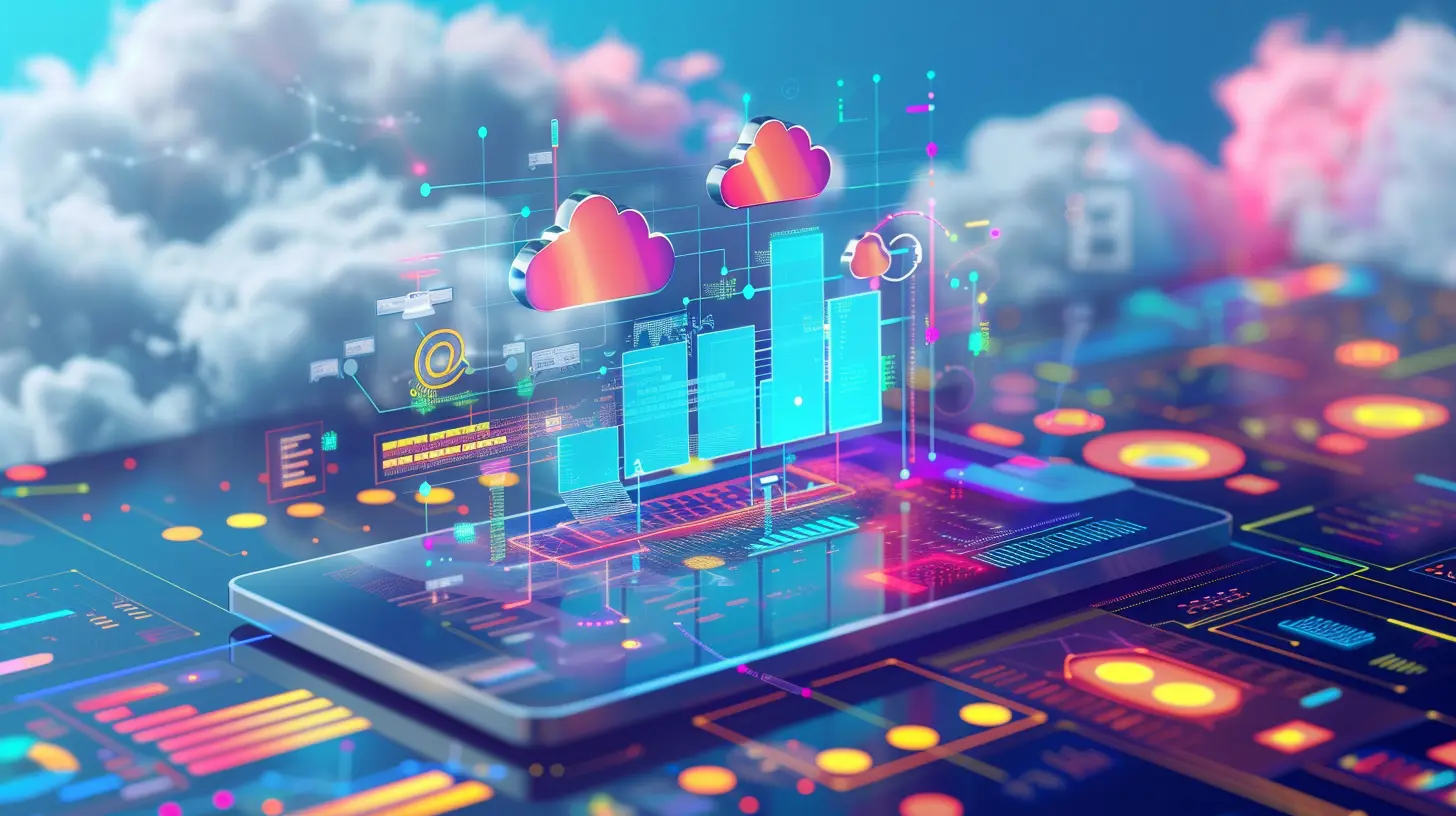
Why Transition to a SaaS Model?
Switching to SaaS isn’t just a trend—it’s a strategic move with several benefits. Here’s why businesses are making the shift:1. Reduced Costs
Say goodbye to expensive hardware and software purchases. SaaS eliminates upfront infrastructure costs, making it more budget-friendly, especially for startups and small businesses. Instead of paying a massive one-time fee, customers opt for a subscription-based model, making expenses more predictable.2. Scalability & Flexibility
Need to add new users or expand your software’s capabilities? SaaS makes scaling up (or down) effortless. You can adjust your subscription plan based on your business’s needs without overhauling your entire IT infrastructure.3. Automatic Updates & Maintenance
One of the biggest headaches of traditional software is keeping it updated and secure. SaaS providers handle updates, bug fixes, and security patches automatically. That means businesses can focus on their core operations instead of worrying about tech maintenance.4. Enhanced Accessibility & Collaboration
With SaaS, all you need is an internet connection. Whether you're working from an office, home, or a coffee shop, you can access your software anytime, anywhere. Plus, multiple users can collaborate in real time—perfect for remote teams.5. Improved Security & Compliance
Contrary to the myth that cloud-based systems are unsafe, most SaaS providers invest heavily in cybersecurity. They implement high-level encryption, regular security audits, and compliance standards to protect sensitive data.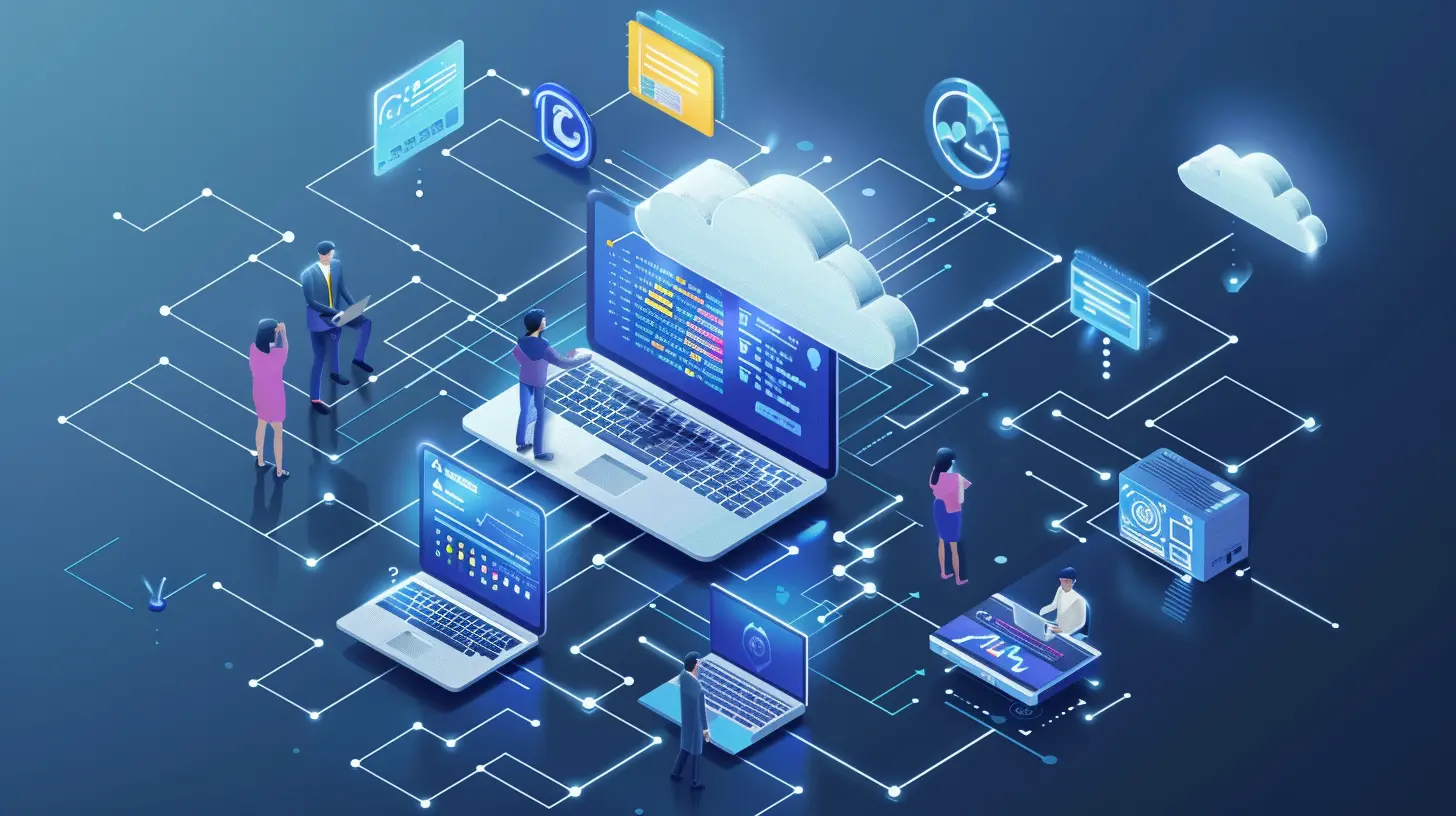
Steps to Successfully Transition from Traditional Software to SaaS
Okay, now that we’ve established why transitioning to SaaS is beneficial, how do you actually do it? Let’s go through the critical steps:1. Assess Your Current Software & Business Needs
Before diving into the transition, evaluate your existing software, infrastructure, and customer needs. Ask yourself:- What are the limitations of our current system?
- What features do customers expect in a SaaS version?
- How will a cloud-based model impact our pricing and revenue streams?
Understanding these factors will help you make informed decisions throughout the transition.
2. Choose the Right Technology Stack
SaaS applications require a solid technology stack, including:- Cloud Hosting: AWS, Google Cloud, or Microsoft Azure.
- Database Management: MongoDB, PostgreSQL, or MySQL.
- Frontend & Backend Development: React, Angular, Node.js, or Django.
- Security & Authentication: OAuth, JWT, or multi-factor authentication.
The right tech stack ensures scalability, security, and smooth performance.
3. Develop a SaaS Product Roadmap
Switching to a SaaS model isn't an overnight process. You need a clear roadmap that outlines:- Core features you’ll migrate or build from scratch.
- Estimated timeline for development and deployment.
- Potential challenges and risk mitigation strategies.
A phased approach works best—start with a Minimum Viable Product (MVP) to test the waters before rolling out full-scale features.
4. Implement a Subscription-Based Pricing Model
Traditional software follows a one-time purchase model, but SaaS thrives on subscriptions. Choosing the right pricing strategy is crucial. Here are some common models:- Freemium: Basic version is free; premium features require payment.
- Tiered Pricing: Different pricing plans based on features or usage.
- Pay-Per-Use: Charges based on consumption (e.g., cloud storage or API calls).
The goal? Keep pricing affordable, flexible, and valuable for your target audience.
5. Migrate Data & Ensure a Smooth Transition for Users
Data migration can be tricky. You need a seamless way to transfer existing customer data while ensuring minimal downtime. Consider:- Offering a hybrid model during the transition (on-premises + cloud).
- Providing step-by-step instructions or migration wizards.
- Ensuring data encryption and security throughout the process.
A smooth migration reduces friction and prevents customers from feeling overwhelmed.
6. Focus on User Experience & Customer Support
Just because a product is SaaS-based doesn’t mean users will automatically embrace it. A clunky, unintuitive interface can drive customers away. Make onboarding simple with:- Interactive tutorials and walkthroughs.
- 24/7 customer support via chat, email, or phone.
- Regular customer feedback loops to improve features.
Happy users = long-term subscribers.
7. Market & Educate Your Audience
Transitioning to SaaS isn’t just a technical change—it’s a business transformation. Communicate the benefits to your customers through:- Email newsletters and blog posts explaining the shift.
- Product demos and webinars.
- Clear documentation on how to migrate and use the new system.
If customers see the value, they’ll be more likely to embrace the change.
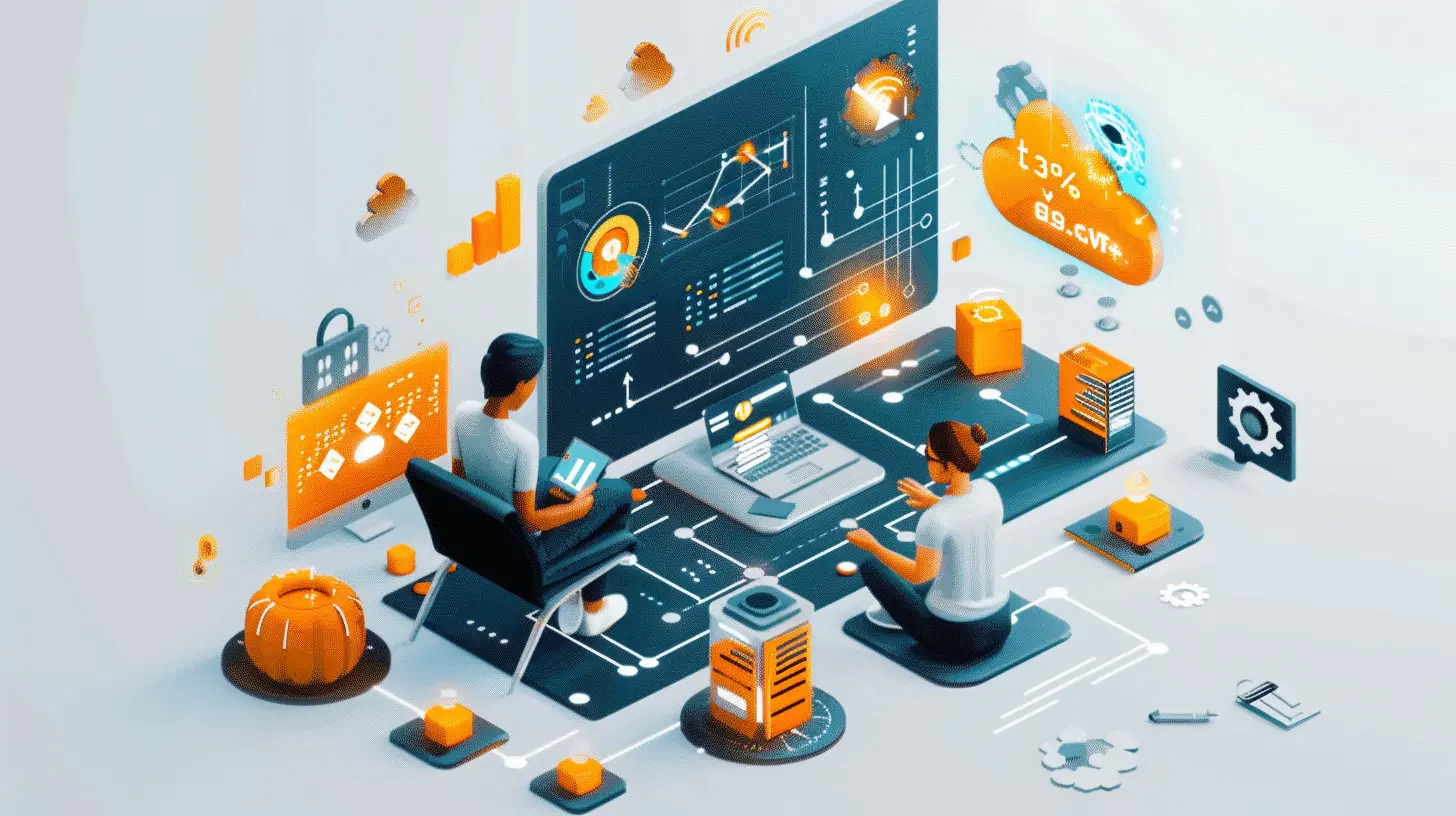
Potential Challenges & How to Overcome Them
Let’s be real—moving to SaaS comes with a few bumps in the road. Here are common challenges and how to tackle them:1. Resistance to Change
Not everyone likes change, especially customers who’ve used your software for years. Solution? Provide clear communication, seamless onboarding, and excellent support.2. Security & Compliance Concerns
Some industries have strict compliance regulations (think healthcare or finance). Work with cloud providers that meet industry standards like GDPR, HIPAA, or SOC 2.3. Initial Development Costs
Building a SaaS version requires an initial investment in cloud infrastructure, development, and testing. However, the long-term revenue from subscriptions often outweighs the upfront cost.4. Performance & Downtime Issues
Downtime can frustrate users. Ensure your SaaS is reliable by implementing load balancing, auto-scaling, and failover mechanisms to prevent breakdowns.Conclusion
Transitioning from traditional software to a SaaS model isn’t just about moving to the cloud—it’s about changing how you deliver value to customers. While the process requires careful planning, a solid roadmap, and technical expertise, the benefits far outweigh the challenges.From cost-efficiency to enhanced accessibility, SaaS opens the door to innovation, scalability, and long-term business growth. So, if your business is still stuck in the old-school software era, maybe it’s time for a change.
After all, in the fast-paced digital world, adaptability isn’t just an option—it’s a necessity.
all images in this post were generated using AI tools
Category:
Saas BusinessAuthor:

Remington McClain
Discussion
rate this article
2 comments
Fennec McNeely
Great insights on transitioning to a SaaS model! It's exciting to see how this shift can enhance flexibility and scalability for businesses. Embracing cloud solutions not only streamlines operations but also improves customer experiences. Looking forward to seeing how companies adapt to these changes in the future!
January 25, 2026 at 5:23 AM
Remington McClain
Thank you for your insightful comment! I’m glad you found the article helpful and share the excitement about the potential of SaaS for enhancing business flexibility and customer experiences.
Oren McCarron
Exciting times ahead! Transitioning to a SaaS model opens doors to innovation and flexibility. Embrace the change and watch your business thrive! 🚀
December 17, 2025 at 3:21 AM
Remington McClain
Thank you! We're excited too and look forward to leveraging the SaaS model for greater innovation and growth! 🚀