Understanding Consumer Psychology for Better Marketing Results
10 December 2025
If there’s one secret weapon that separates good marketing from great marketing, it’s this: understanding consumer psychology. Let’s face it, marketing isn’t just about flashy ads or catchy slogans—it’s about people. And people, as we all know, are a little complicated.
They don’t always make logical decisions. Sometimes they buy things they don’t need. Sometimes they ignore what’s practical and go straight for what feels right. That, in a nutshell, is why tapping into consumer psychology is a game-changer.
In this article, we’re going deep into how people think, how emotions drive decisions, and how you can use psychology to sharpen your marketing strategy. Whether you're running a startup, managing a brand, or just trying to improve conversions, this guide will help you connect with your audience on a whole new level.
What Is Consumer Psychology?
Let’s break it down. Consumer psychology is the study of why people buy what they buy. It looks at mental and emotional factors that drive purchasing behavior—everything from social influence to brand perception to subconscious desires.Picture it like this: if marketing is the driver of a car, consumer psychology is the GPS. It tells you where your audience wants to go, even before they realize it themselves. It’s not manipulation; it’s about understanding human behavior to deliver what people truly value.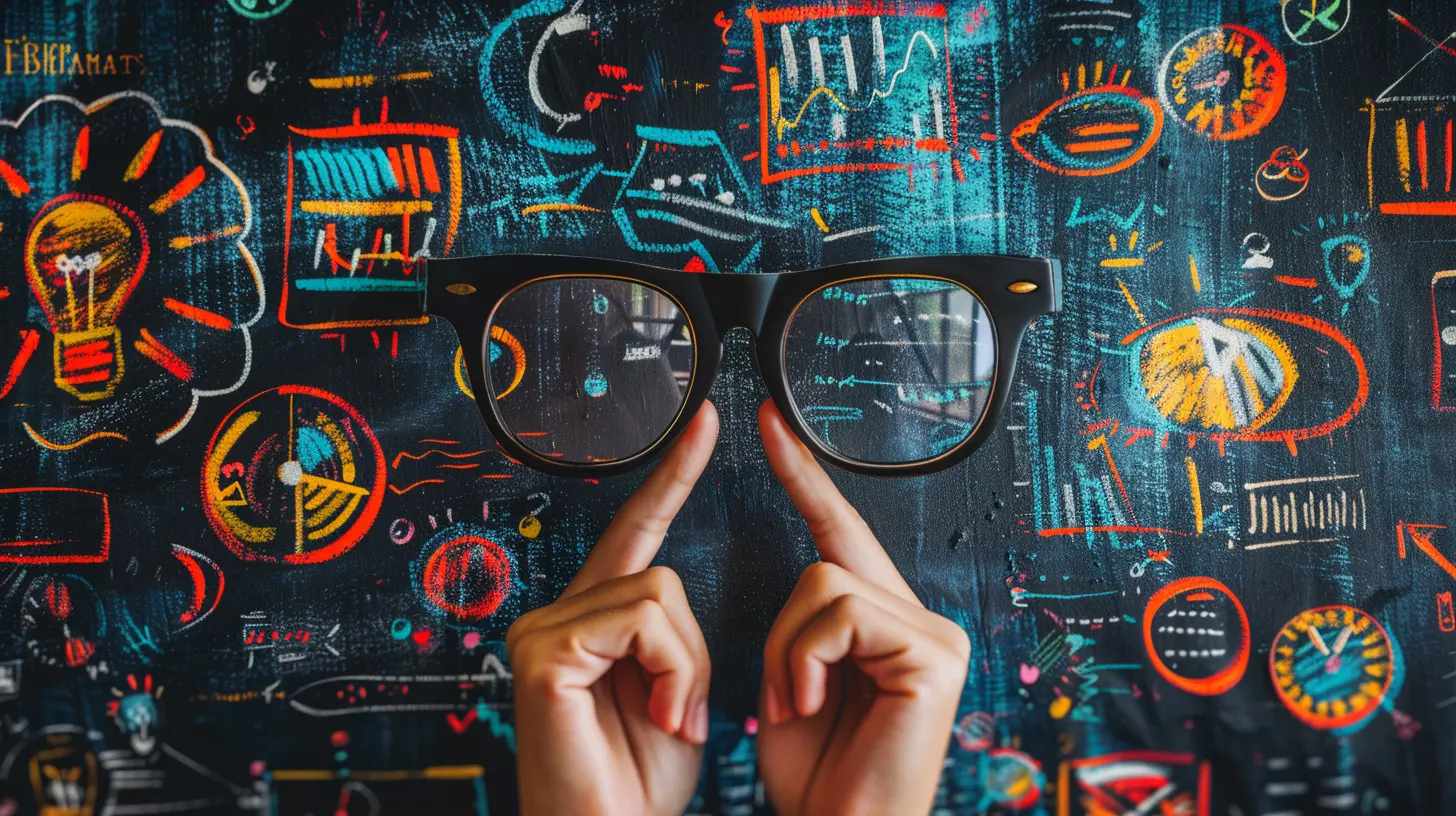
Why Should Marketers Care?
Here’s the deal: marketing without psychology is like fishing without bait. You’re just casting your message into the void, hoping someone bites.But if you understand how your audience thinks and feels, you can tailor your message so it actually resonates. That’s how you turn browsers into buyers and buyers into loyal fans.
A Few Stats to Think About:
- 95% of purchasing decisions happen in the subconscious mind.- Emotion trumps logic in most buying scenarios.
- Personalized marketing can boost ROI by up to 8x.
So yeah, this stuff matters.
The Core Principles of Consumer Psychology
Let’s explore some of the key psychological principles every marketer should have in their toolkit. These are the behind-the-scenes forces that steer buying habits.1. The Power of Emotion
You’ve heard the phrase “people buy with their hearts, not their heads,” right? It’s true. Emotion drives most purchases.Think about the last time you bought something you didn’t really need—a fancy gadget, luxurious skincare, that extra streaming service. Chances are, it made you feel good. Safe. Confident. Cool.
As a marketer, your job is to identify the emotional experience your product or service delivers. Then, highlight that feeling in your messaging.
Pro Tip:
Use imagery, storytelling, and testimonials that spark emotions. Happy customers? Show them smiling. A success story? Let them tell it in their own words.2. Cognitive Biases
We all have little mental shortcuts—called cognitive biases—that influence our decisions. Here are a few big ones marketers love to leverage:- Social Proof: People follow the crowd. Reviews, testimonials, and user-generated content make your brand more trustworthy.
- Scarcity: When something’s rare, we want it more. “Only 2 left in stock!” works for a reason.
- Authority: We trust experts. Endorsements from influencers or professionals can boost conversions.
- Anchoring: The first number we see affects how we perceive value. That’s why pricing strategies often use “was $199, now $99.”
Understanding these biases helps you craft messages that “click” with your audience.
3. The Psychology of Color
Colors carry emotional weight. They trigger subconscious reactions. Ever wonder why so many fast-food brands use red and yellow? Those colors create urgency and stimulate appetite.Here’s a quick cheat sheet:
- Red: Excitement, urgency
- Blue: Trust, security
- Green: Health, nature
- Black: Luxury, sophistication
- Orange: Playfulness, affordability
Choose colors that match your brand personality and desired customer reaction.
4. The Need for Belonging
Humans are social animals. We want to belong. Brands that create community win big with modern consumers.Think Apple fans, Harley-Davidson riders, or Nike obsessives. These brands foster a sense of identity and shared culture.
As a marketer, ask yourself: how can I make my audience feel part of something bigger?
The Buyer’s Journey—Psychology at Every Step
Let’s zoom out and look at the entire customer journey. Psychological triggers work differently depending on where someone is in their buying process.1. Awareness Stage
Here, your potential customer doesn’t even know they need you yet. This stage is all about grabbing attention and sparking curiosity.- Use emotional content or storytelling to draw them in.
- Strike a nerve with a relatable pain point.
- Offer value before asking for anything.
2. Consideration Stage
Now they’re evaluating options. They know they have a need, and they’re doing research.- Highlight features and benefits.
- Build trust with testimonials, case studies, and clear value.
- Use comparison charts or FAQs to answer objections.
3. Decision Stage
This is the moment of truth. They’re ready to choose—but the brain still looks for reassurance.- Use scarcity psychology (“Limited-time offer!”).
- Offer guarantees or free trials to reduce risk.
- Keep the checkout process super simple.
Strategies That Apply Consumer Psychology
Ready to put this brain science into action? Let’s look at a few tried-and-true marketing tactics powered by consumer psychology:1. Personalization
Treat your customers like individuals, not statistics. Personalized emails, recommendations, and even product suggestions can work wonders.Why? Because it makes your audience feel seen, heard, and understood.
2. Storytelling
People remember stories more than facts. Use narratives to show how your product changes lives, solves problems, or overcomes adversity.3. Loss Aversion
People hate losing more than they love winning. Emphasize what they could miss out on by not acting now.Example: Instead of “Buy Now” try “Don’t Miss Out” or “Offer Ends Soon.”
4. Reciprocity
When someone gives you something, you feel compelled to return the favor. That’s why free value—like ebooks, webinars, or free samples—can lead to sales down the line.5. Visual Cues and Simplicity
Our brains process visuals 60,000 times faster than text. Use clean design, meaningful images, and easy-to-scan layouts to keep your audience engaged.Real-World Brand Examples
Let’s highlight a few brands that absolutely nail consumer psychology:Apple
They don’t just sell devices—they sell status, simplicity, and community. Their ads focus on design, emotion, and lifestyle over features.Coca-Cola
They’ve been using emotional branding for decades. Happiness, connection, nostalgia—all carefully curated in each campaign.Amazon
They use personalization, social proof, and loss aversion to drive sales. “You might also like,” “Only 3 left in stock,” and “Customers also bought” are all common phrases.Tools to Help You Understand Your Audience
Okay, so how do you actually uncover what your audience is thinking?- Google Analytics – Track behavior and conversions
- Hotjar – Heatmaps that show where users click and scroll
- Surveys/Polls – Ask directly what customers want or struggle with
- A/B Testing – See what headlines, images, or CTAs resonate best
- Social Media Listening – Pay attention to how people talk about your brand, competitors, or niche
Knowledge is power—and the more data you have, the more insight you’ll gain into what makes your audience tick.
Final Thoughts: Marketing from the Mind Outward
Here’s the big takeaway: marketing isn’t about pushing your product harder. It’s about pulling the customer in—by getting into their mindset.When you understand consumer psychology, you stop guessing. You start connecting. And connection is what converts.
So next time you’re planning a campaign, writing a headline, or crafting a product page, don’t just ask “What do I want to say?” Ask “What does my customer need to feel?”
Because at the end of the day, marketing is psychology. And the better you understand how people think, the better you’ll sell.
all images in this post were generated using AI tools
Category:
MarketingAuthor:

Remington McClain
Discussion
rate this article
2 comments
Seth Wheeler
Consumer psychology reveals motivations; understanding them transforms marketing strategies and enhances engagement.
January 22, 2026 at 3:55 AM
Remington McClain
Absolutely! Recognizing consumer motivations is key to crafting effective marketing strategies that resonate with audiences and drive engagement.
Calyx McKinstry
Fascinating insights! I'm eager to learn more about how consumer psychology shapes purchasing decisions. Could specific psychological triggers be the key to unlocking more effective marketing strategies?
December 29, 2025 at 3:22 AM
Remington McClain
Thank you for your enthusiasm! Yes, specific psychological triggers like scarcity, social proof, and emotional appeal can significantly enhance marketing strategies by influencing consumer decisions.