Why Multi-Factor Authentication Is a Must for Your Business
5 July 2026
Let’s talk about something that might not sound exciting at first but could save your business from a digital disaster — multi-factor authentication, or MFA. Sure, it’s not the flashiest tech topic. But when it comes to protecting your business, it's one of the smartest moves you can make.
Today’s world isn’t just fast-paced — it’s hyper-connected. That means more data, more logins, and, unfortunately, more opportunities for cybercriminals to sneak in where they shouldn’t. Whether you're running a small agency or managing a growing enterprise, you need to ask yourself: Are your current security measures really enough?
If your current system only needs a password to access sensitive info, well... we need to talk.
What Is Multi-Factor Authentication (MFA)?
Before we dive into the “why,” let’s clear up the “what.”Multi-Factor Authentication is a security process that requires users to provide two or more verification factors to access an application, account, or system. Instead of just typing in a password, MFA stacks on extra layers of security.
The Three Usual Factors:
1. Something you know – Like a password or PIN.2. Something you have – Like a phone or security token.
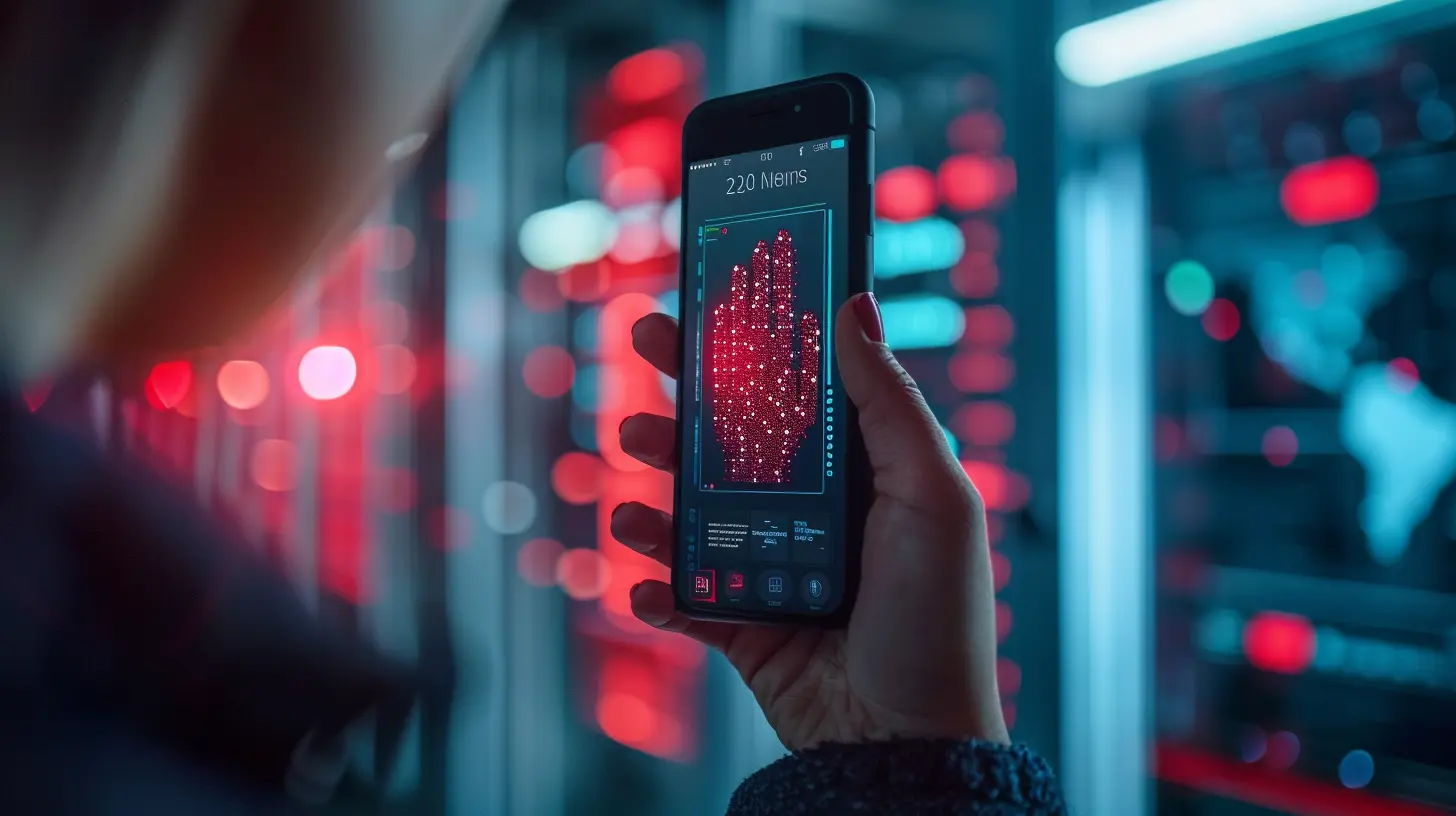
3. Something you are – Like fingerprint, face recognition, or voice.
Here’s the deal: Even if a hacker manages to steal your password (and sadly, that happens a lot), they still need to bypass the other layers. That’s not an easy feat. And that’s exactly what makes MFA such a powerful defense.
Why Passwords Alone Don’t Cut It Anymore
Raise your hand if you’ve reused the same password for multiple accounts. Be honest—we’ve all done it at some point. But here’s the sobering truth: most passwords are predictable, hackable, or already floating around on the dark web due to previous breaches.Think about it—hackers don’t need to be criminal masterminds to crack the code. With phishing attacks, social engineering, and brute-force password attacks, they’re slipping through basic defenses every day.
Relying only on passwords is like locking your front door but leaving the windows wide open.
Real Talk: Data Breaches Are Getting Worse
Statistically speaking, businesses face growing cyber threats every year. The cost of a single data breach can skyrocket into the millions. And no, it’s not just the big guys like multi-billion-dollar corporations that get targeted. Small and medium businesses are actually low-hanging fruit for hackers. Why? Because they often skimp on security.MFA creates an extra barrier between your business and the bad guys. It’s not just a tech trend — it’s a necessary evolution in how we approach security.
How MFA Works (In Plain English)
Let’s say you log into your bank account. You type in your password (that’s one factor). Then, the bank sends a text to your phone with a six-digit code. You enter that code. Boom — that’s MFA in action.It’s kind of like a digital secret handshake. If someone tries to log in from an unrecognized device or location, they’ll need access to your phone or biometric data. And unless they’re standing right next to you (in which case, we’ve got bigger problems), they’re not getting in.
Examples of MFA in Everyday Life:
- Logging into email with a password + Face ID.- Accessing company tools with a password + push notification to your mobile app.
- Approving transactions with a password + fingerprint scan.
It sounds simple, right? That’s because it is. And the beauty of it? It works without you having to memorize complex security answers or carry around a USB token (unless you want to get fancy).
The Business Benefits of MFA — More Than Just Security
Let’s look beyond stopping hackers for a second. MFA does so much more than just lock the door.1. Boosts Client Trust
Customers are becoming more privacy-aware. When they see you take data protection seriously, they feel safer doing business with you. It’s like putting a security system sign in your front yard — people notice.2. Compliance Made Easy
Depending on your industry, there might be strict data protection laws — GDPR, HIPAA, PCI-DSS, etc. Many of these either recommend or require MFA. Implementing it can help you stay compliant and avoid hefty fines.3. Reduces Internal Risk
Let’s not forget about insider threats. Whether it’s accidental or intentional, employee data leaks can wreak havoc. MFA helps ensure that only authorized individuals can access sensitive company data.4. Works With Remote Teams
In this remote/hybrid world, employees are logging in from coffee shops, home offices, or even airports. MFA ensures secure access no matter where in the world your team is working.5. Cuts Down on IT Headaches
Ever had to reset a forgotten password? Of course you have! With MFA options like biometric login or single sign-on tools, users can recover accounts more securely and easily, saving your IT team tons of time.Why MFA Is Not Just for Tech Giants
You might hear “multi-factor authentication” and think, “That sounds expensive,” or “We’re too small for that.” But that’s old-school thinking.In reality, MFA has become more accessible than ever. Most cloud platforms, like Google Workspace, Microsoft 365, and AWS, already include MFA as a built-in feature. That means if you’re already paying for these services, you can turn it on without spending another dime.
Even if you’re using smaller tools or platforms, many offer MFA or integrate seamlessly with third-party apps like Authy, Duo, or Google Authenticator.
Basically, no excuses. If you’ve got a login, you’ve got a reason to use MFA.
Common Concerns (and Why They’re Not a Big Deal)
Let’s bust some common myths that keep folks from enabling MFA.“It’s too complicated for my team.”
Honestly? It’s not. Most people are already used to two-factor logins with banking apps, email platforms, or even social media. The learning curve is short, and the payoff is huge.“It slows down productivity.”
Sure, entering a code adds a few seconds. But compare that to the hours (or months) you'd lose dealing with a cyber attack. It’s a tiny trade-off for long-term peace of mind.“We’ve never been hacked.”
Yet. No business is bulletproof. Just because you haven’t been targeted doesn’t mean you won’t be. MFA is like a seatbelt—you wear it every time in case something goes wrong.Getting Started with MFA in Your Business
Thinking about rolling out MFA? Great! Here’s a simple roadmap to follow.1. Identify Critical Systems
Start by pinpointing which systems store sensitive data — HR platforms, CRM tools, financial software, email accounts, and cloud storage. These should be top priority.2. Choose Your Authentication Methods
Decide what methods fit best for your team. Push notifications via mobile app? SMS codes? Biometric scans? Choose a combo that strikes a balance between security and convenience.3. Educate Your Team
Introduce the concept of MFA with a short training. Show your team how it works, why it matters, and what they’re protecting. Remember, a little buy-in goes a long way.4. Roll It Out in Phases
Don’t flip the switch on everything at once unless your team is small. Start with high-risk users or departments, then expand gradually.5. Monitor and Adjust
Check reports, collect feedback, and troubleshoot any issues. The goal is to create a smooth process that doesn’t slow people down.
MFA Isn’t a Magic Shield—But It’s Close
No security method is 100% foolproof. Cybersecurity is all about layers. Firewalls, antivirus software, secure Wi-Fi, smart policies — they all work together. But MFA? That’s the strong lock on your digital front door.Think of it like a security system for your home. Is it possible for someone to break in? Sure. Is it much harder with alarms, cameras, and locks on every entrance? Absolutely. That’s what MFA does for your business.
Final Thoughts: The Time for MFA Is Now
If you’re waiting for a sign to up your security game, this is it.Multi-Factor Authentication isn’t about making your life harder—it’s about keeping your business out of the headlines (and the courtroom). It's easy to implement, affordable, and backed by every cybersecurity expert on the planet.
So, take the leap, set it up, and sleep better knowing your business isn’t an easy target anymore. Because when it comes to protecting your livelihood, “good enough” just doesn’t cut it.
all images in this post were generated using AI tools
Category:
CybersecurityAuthor:

Remington McClain
Discussion
rate this article
1 comments
Foster Lee
Multi-factor authentication significantly enhances security by adding layers of protection, making it harder for unauthorized access and safeguarding sensitive business information.
July 18, 2026 at 2:59 AM
Remington McClain
Absolutely. Multi-factor authentication is a crucial step in protecting sensitive data and reducing the risk of unauthorized access. It's a must for any business.