Choosing the Right SaaS Tech Stack for Your Startup
26 December 2025
Let’s face it—startups are tough. You’re juggling a million priorities, from product development to customer acquisition to raising funds (and probably sipping too much coffee while you’re at it). Amidst all the chaos, one critical decision often gets overlooked or made in haste: picking the right SaaS tech stack.
Think of your tech stack like the engine of your car. You wouldn't drag race with a rusty sedan, right? Same goes for launching a high-growth startup—your stack needs to be lean, powerful, and perfectly aligned with your goals. A weak foundation can tank performance, bloat costs, and make scaling a nightmare.
So how do you zero in on the perfect SaaS tech stack for your startup? That’s exactly what we’re unpacking today.
What Is a SaaS Tech Stack, Anyway?
Before we dive in, let’s clarify what we mean by a “SaaS tech stack.”In simple terms, a SaaS tech stack is the collection of cloud-based software tools and platforms you use to build, run, and grow your startup. Unlike traditional on-premise software, SaaS apps live in the cloud, are subscription-based, and are always updated in real-time.
A typical SaaS tech stack includes:
- Frontend frameworks and tools (what users see)
- Backend infrastructure (what powers everything behind the scenes)
- DevOps and deployment tools
- Database systems
- Analytics platforms
- Marketing and sales software
- Customer support tools
...and much more.
Your stack is your startup’s backbone—it’s how your team collaborates, your users interact, and your data flows. Choose wisely.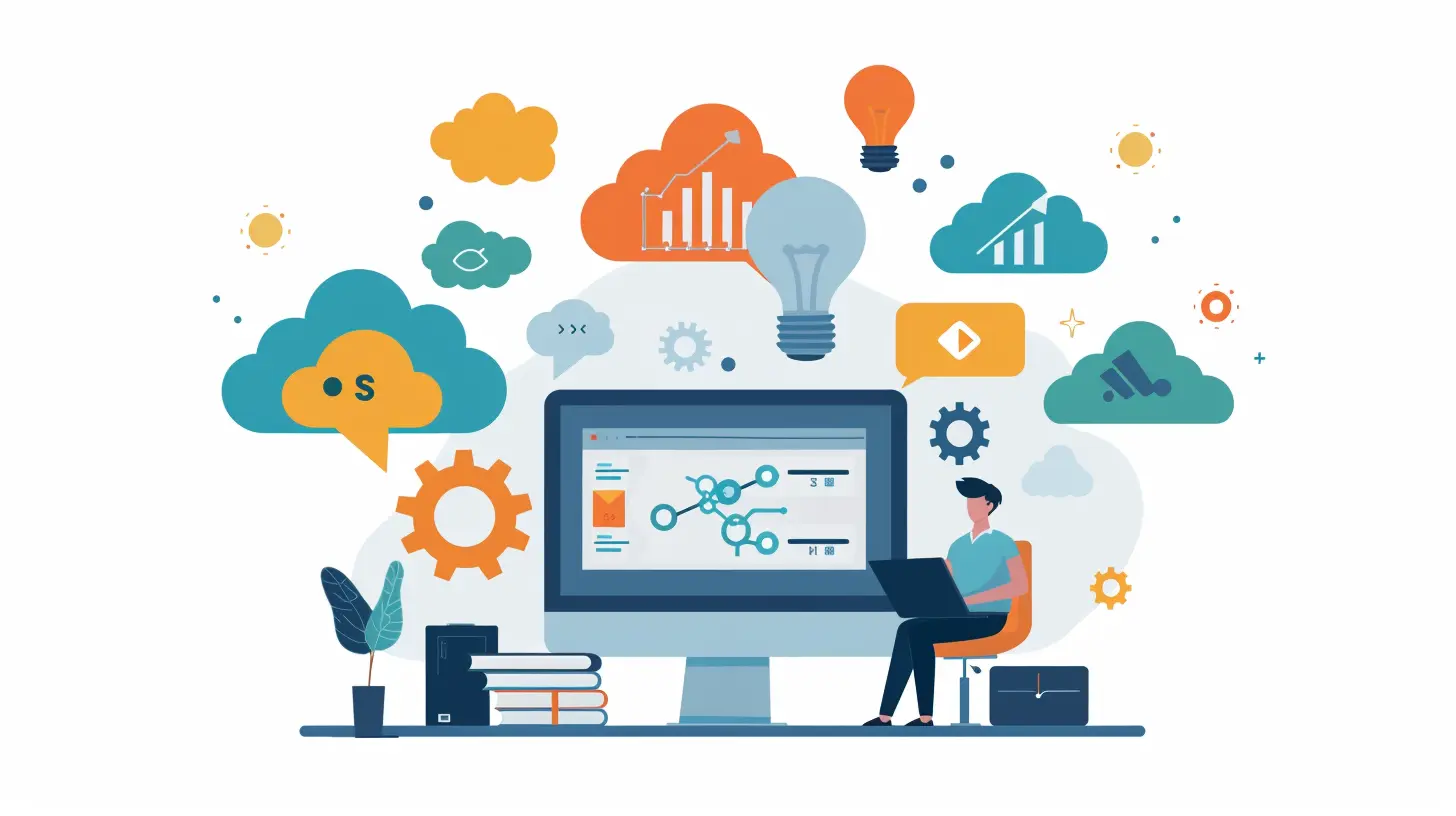
Why Your Tech Stack Matters (A Lot More Than You Think)
Here’s the truth: Tech stacks aren’t just "nerdy stuff" for developers to obsess over. They have major implications for how fast you can launch, how scalable your app is, and how well your team collaborates.Let’s break it down:
1. 💸 Cost Control
SaaS tools are awesome, but monthly fees can sneak up on you like a ninja in the night. Pick too many tools, and you're bleeding cash. Go barebones, and your team struggles to get work done. The best tech stack strikes that not-so-easy balance.2. ⚡ Speed to Market
Want to move fast and break things? Then your stack better not hold you back. A good tech stack makes it easy to roll out features, run experiments, and pivot when needed.3. 🚀 Scalability
It’s not just about surviving early-stage chaos. You want a setup that grows with you. Nothing sucks more than re-architecting your entire system after product-market fit.4. 🧩 Integration & Compatibility
Your tools need to play well together. If your CRM can’t talk to your email tool, or your analytics platform can’t read your backend data, you’re stuck with messy workarounds.
Key Considerations When Choosing Your SaaS Tech Stack
Here comes the meat of it. Let’s walk through what matters most when making your pick.1. Define Your Startup’s Needs
Before you even look at tools, press pause and ask yourself: What are we actually trying to build?- Are you creating a mobile app? A web platform? A B2B SaaS solution?
- What kind of user experience are you aiming for?
- Are you bootstrapped or VC-backed? (Yes, that affects how much you can spend)
Your product’s needs should drive your tech decisions—not the other way around.
2. Match the Stack to Your Team’s Skillset
Your tech stack is only as strong as the people using it. If your devs speak JavaScript like it’s their first language, it makes sense to lean into JS-based frameworks like Node.js and React.Hiring a team fluent in Ruby when you're building on Laravel? That’s going to be a headache. Choose tools your current (or near-future) team can actually work with.
3. Consider Time-to-Market
Speed is life in the startup world. If a tool can help you ship faster without cutting corners, that’s a win.For example, Firebase or Supabase offer rapid backend setups so you can focus on your frontend and MVP. On the frontend, tools like React and Vue.js speed up component-based design.
Lean, fast, functional—that’s the goal.
4. Think Long-Term Scalability
We know, we know. It's tempting to grab whatever tool gets the job done now. But thinking ahead saves mountains of pain later.That budget hosting provider might choke when traffic surges. Or your current database might not handle real-time queries at scale.
Ask yourself:
- Can this scale without major rewrites?
- Are there enterprise-ready versions or upgrade paths?
- Is there a large enough community for long-term support?
If the answer’s "meh"—rethink it.
5. Prioritize Integration
Modern startups run on workflows—automated, smooth, and interconnected. That only works if your tools can integrate seamlessly.So always look into:
- Native integrations
- Open APIs
- Low-code platforms (like Zapier or Make) for DIY bridges
If integration is a pain from day one, it’ll only get worse over time.
6. Budget Wisely (But Don’t Go Cheap)
Remember, "cheap" isn’t always "cost-effective." Don’t compromise on reliability or security just to save a few bucks a month.At the same time, you don’t need to splurge on enterprise-grade tools in month one. Many SaaS platforms offer startup credits or freemium tiers—don’t be afraid to ask!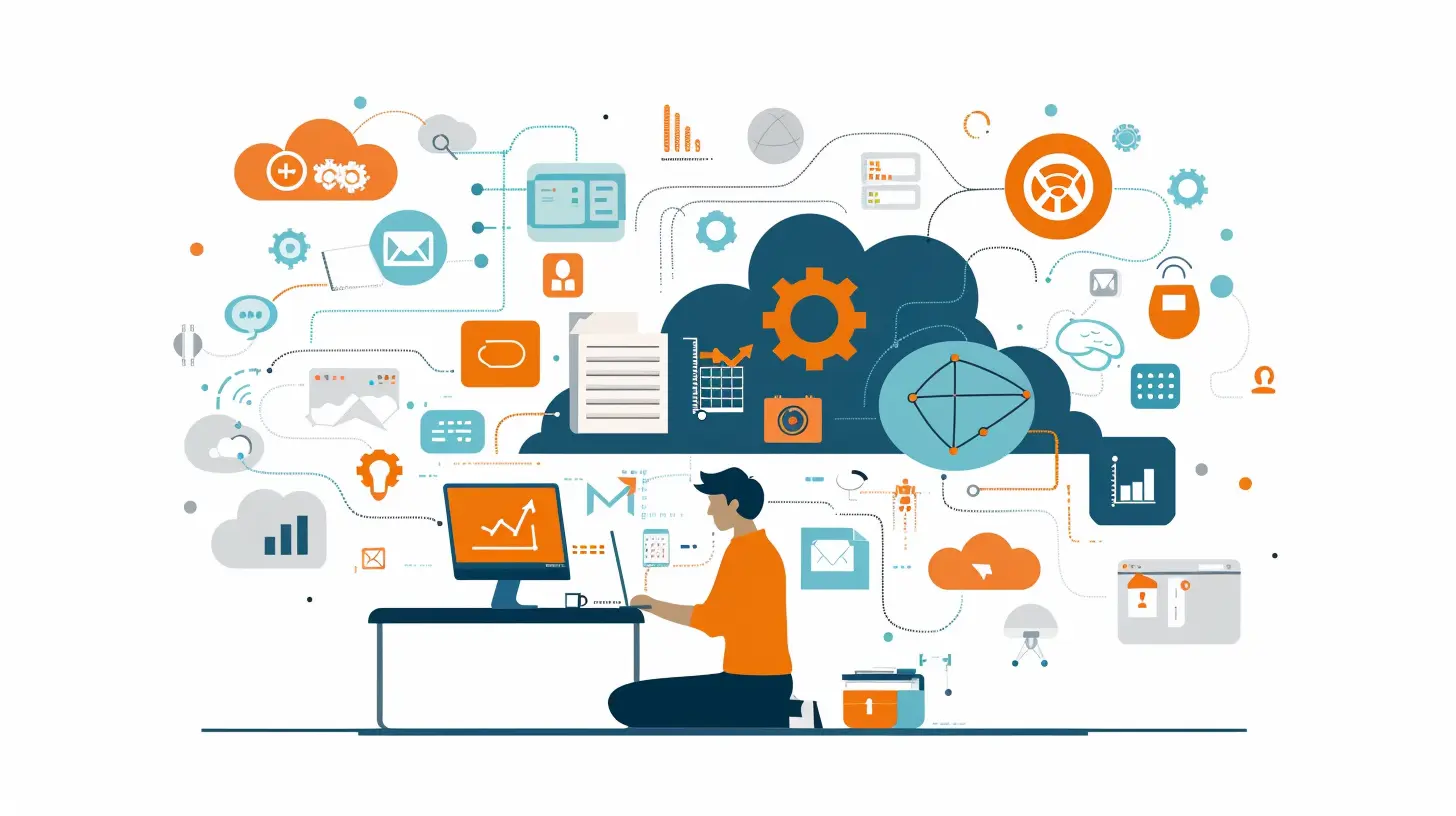
A Sneak Peek at Popular SaaS Tools by Category
Need a little inspiration? Here’s a quick rundown of well-loved SaaS products across categories.Frontend Development
- React – Flexible, component-based; used by Facebook, Uber- Vue.js – Lightweight and beginner-friendly
- Next.js – Great for server-side rendering and SEO
Backend Infrastructure
- Node.js – Asynchronous and scalable- Django – Python-based, batteries included
- Ruby on Rails – Convention over configuration
Hosting and Deployment
- Vercel – Ideal for frontend apps (especially with Next.js)- Heroku – Simple, fast, beginner-friendly
- AWS – Scalable, but has a learning curve
Databases
- PostgreSQL – Open-source, powerful, widely used- MongoDB – NoSQL, great for flexibility
- Firebase – Real-time, good for MVPs
Team Collaboration
- Slack – Team messaging hub- Notion – All-in-one docs, tasks, wikis
- Trello / Asana – Project management made simple
Customer Support
- Freshdesk – Full-suite customer support- Intercom – Chat, bots, and automation
- Zendesk – Ideal for multichannel support
Marketing & Sales
- HubSpot – CRM + marketing automation- Mailchimp – Email campaigns made easy
- Buffer – Social media scheduling
Real-World Example: A SaaS Stack in Action
Imagine you’re building a social shopping app. What might your SaaS stack look like?- Frontend: Next.js + TailwindCSS (fast dev + great UI)
- Backend: Firebase (for real-time updates) or Node.js with Express
- Database: Firestore or PostgreSQL, depending on your data model
- Authentication: Firebase Auth or Auth0
- Hosting: Vercel for frontend, Heroku for backend
- Analytics: Google Analytics + Mixpanel
- Email: SendGrid or Mailchimp
- CRM: HubSpot Free CRM
That’s agile, scalable, and startup-budget-friendly.
Avoid These Common Mistakes
Even seasoned founders mess this up. So here’s what not to do when picking your tech stack.❌ Shiny Object Syndrome
Just because some trendy startup uses a tool doesn’t mean you should. Choose what you need, not what looks cool on Hacker News.❌ Overengineering from Day One
You don’t need Kubernetes and microservices when you don’t even have users. Start simple. Complexity can come later.❌ Ignoring Security
This is non-negotiable. Choose tools with baked-in security features. Especially if you’re dealing with user data.❌ Forgetting Support and Documentation
Great tools come with great docs. If you're stuck and there's no help in sight, progress stalls.Final Thoughts: Keep It Lean, Keep It Flexible
Your startup’s SaaS tech stack can make or break your momentum. Pick the wrong ones, and you’ll end up stuck in the mud. Pick the right ones, and you’ll coast through MVP, scale gracefully, and impress investors with your operational efficiency.Here’s what to remember:
- Start with your product vision and team’s strengths.
- Focus on tools that are fast, flexible, and cost-effective.
- Avoid over-complication—build what you need, then iterate.
- Optimize for seamless integrations and long-term scalability.
- Reassess your stack every 3-6 months—as your startup evolves, so should your tools.
One last tip? Talk to other startups in your niche. There's no better insight than someone who’s walked the path before you.
Now go build something amazing.
all images in this post were generated using AI tools
Category:
Saas BusinessAuthor:

Remington McClain
Discussion
rate this article
2 comments
Elle McEvoy
Excited to explore diverse SaaS options!
February 8, 2026 at 11:54 AM
Remington McClain
Glad to hear! Exploring diverse SaaS options can truly empower your startup. Happy hunting!
Duke Wilson
Selecting the right SaaS tech stack is crucial for startup success. Prioritize flexibility, scalability, and integration to ensure your tools grow with your business.
January 8, 2026 at 3:45 AM
Remington McClain
Absolutely! A well-chosen SaaS tech stack can make or break your startup. Prioritizing flexibility, scalability, and seamless integration is key to supporting your growth and adapting to market changes.