Digital Transformation in the Supply Chain: A Game Changer for Efficiency
24 July 2026
Let’s be honest — the term "digital transformation" gets tossed around a lot these days. It’s been the buzzword in boardrooms, LinkedIn posts, and business blogs alike. But when it comes to the supply chain — that complex beast responsible for getting stuff from A to B — digital transformation isn’t just another trend. It’s a full-blown revolution. And it’s changing the way companies operate, from the warehouse floor to the customer’s doorstep.
So, grab your coffee, and let’s chat about what digital transformation actually means for the supply chain, why it’s such a big deal, and how it’s boosting efficiency like never before.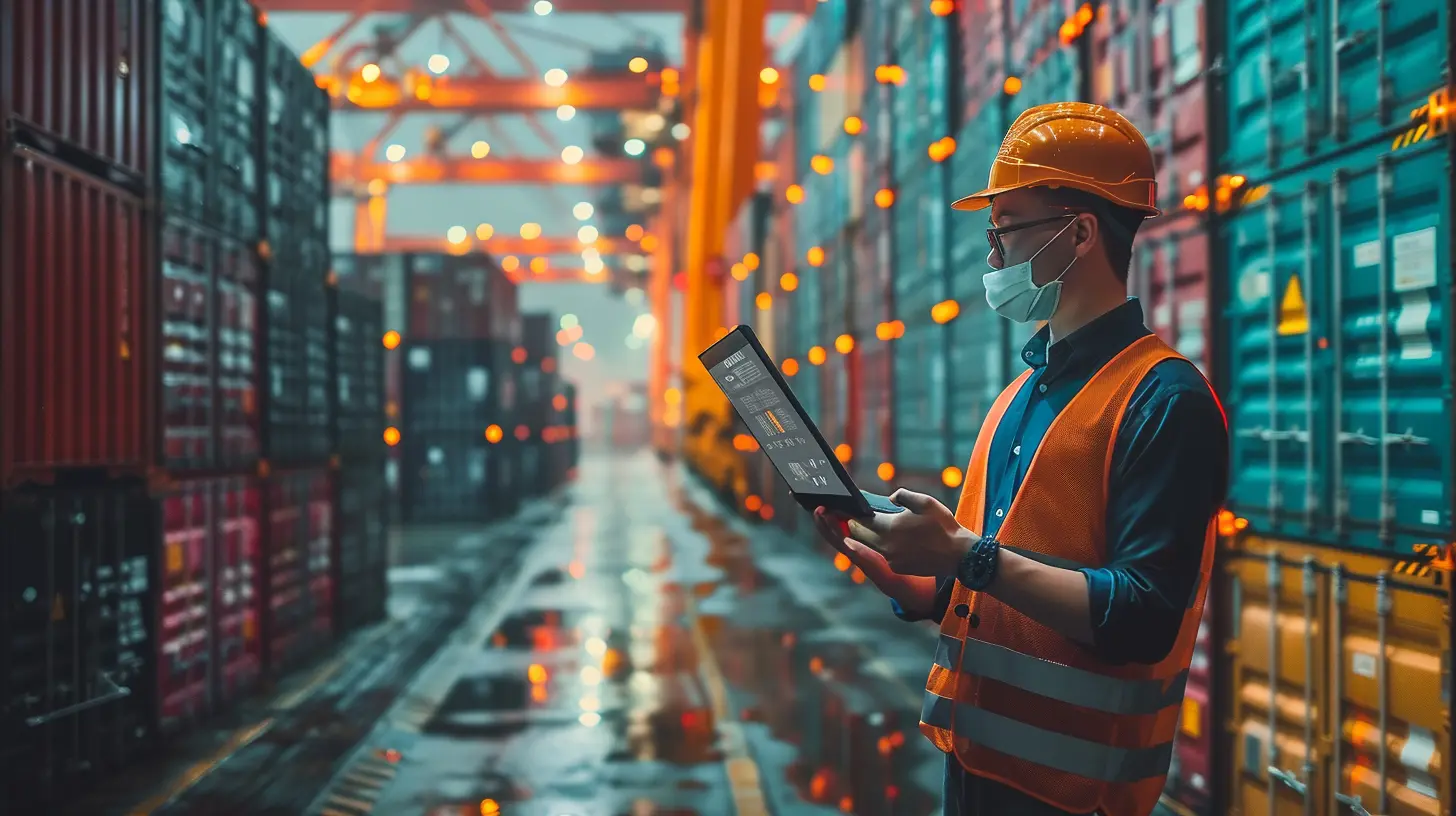
What Is Digital Transformation in the Supply Chain?
Before we dive deep, let’s clear the air — what exactly is digital transformation in the context of the supply chain?In simple terms, it’s using digital tools and technologies to improve and automate supply chain processes. Think AI (Artificial Intelligence), IoT (Internet of Things), blockchain, cloud computing, and big data. These aren’t just tech buzzwords; they’re the new building blocks of smarter, faster, and more efficient supply chains.
Gone are the days of paper trails, manual tracking, and reactive problem-solving. Now, it’s all about real-time data, predictive analytics, and connected systems that speak to each other and make decisions — sometimes faster than humans can think.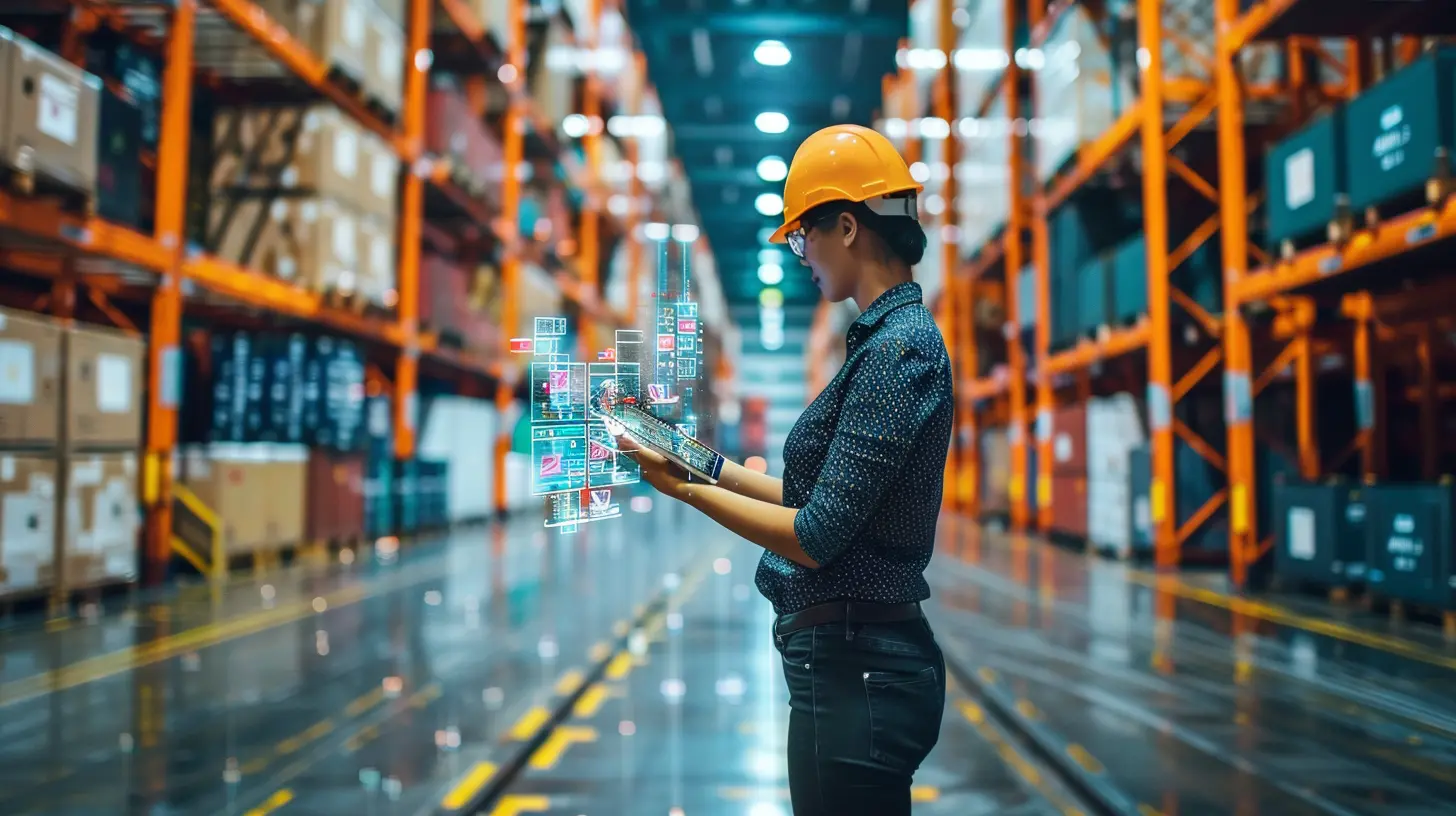
Why Now? The Push for Change
You might be wondering, “Why the sudden urgency?” Well, the last few years have thrown some major curveballs our way — global pandemics, shipping delays, labor shortages, and sky-high customer expectations. Supply chains that were once stable started to crack under pressure.Companies realized they couldn’t keep doing things the old-fashioned way. They needed agility, visibility, and speed — and they needed it yesterday. That’s where digital transformation came in like a superhero in a cape.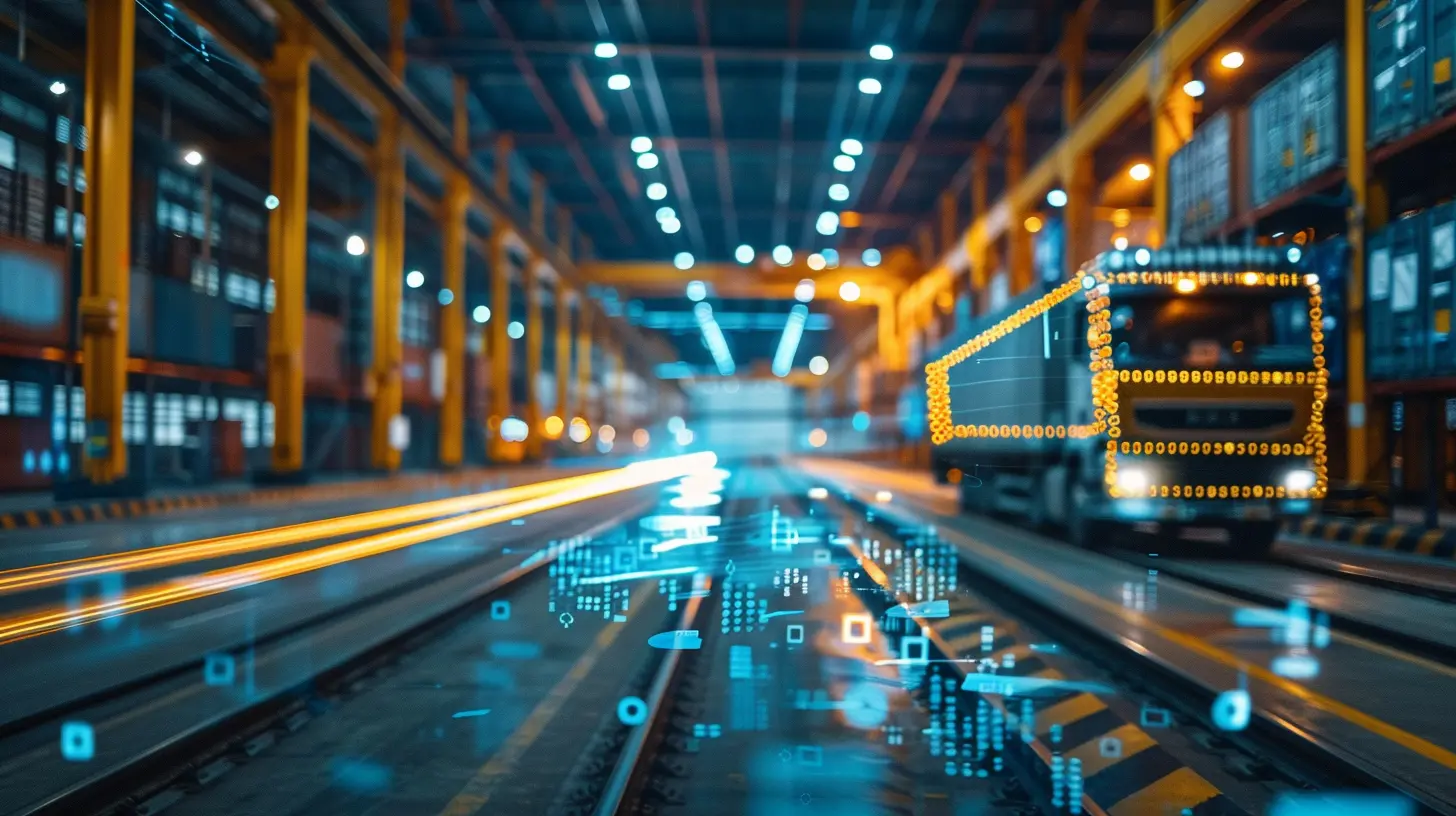
Core Technologies Driving the Change
Let’s break down the tech side of things (don’t worry, no PhD required).1. AI and Machine Learning
Artificial Intelligence isn’t just for sci-fi movies. In supply chains, AI is helping businesses predict demand, optimize routes, and even detect fraud. It’s like giving your supply chain a crystal ball and a genius brain.Machine learning — a subset of AI — keeps improving the more data it gets. So every delivery, return, and hiccup becomes a lesson for the system to do better next time.
2. IoT (Internet of Things)
Imagine your inventory talking to you. That’s IoT in action.By embedding sensors in products, trucks, and warehouses, companies get real-time updates. If a refrigerated truck carrying COVID vaccines starts to warm up, alerts go out immediately. No guesswork. No delays.
3. Cloud Computing
Remember when software lived on one computer in the back office? Those days are long gone.Cloud-based platforms allow teams across the globe to access the same data, at the same time, from anywhere. It also means systems can scale quickly, handle huge data loads, and stay updated without IT nightmares.
4. Blockchain
This isn’t just for cryptocurrency. Blockchain builds trust.It creates a secure, unchangeable ledger of every action in the supply chain. From the farm to your fridge, every step is logged — reducing fraud, errors, and shady practices.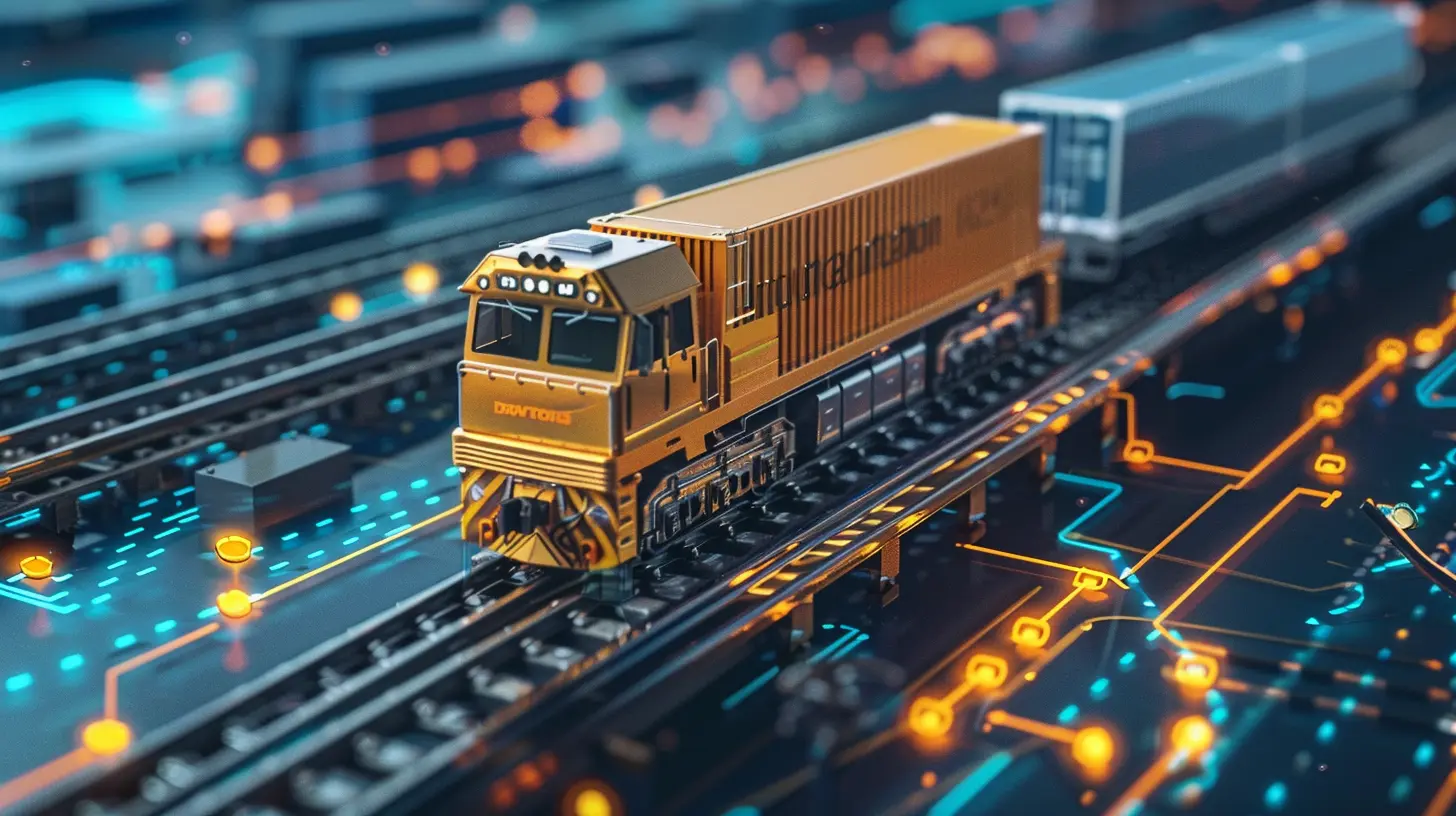
Real-World Benefits of Digital Supply Chains
So, how do these technologies translate into actual wins for businesses? Let’s get into the good stuff.1. Visibility Like Never Before
Picture this: You order a product online, and within minutes, you know exactly where it is, who packed it, when it’s arriving, and how it’s traveling. That level of transparency isn’t just cool — it’s crucial.Companies get a bird’s-eye view of every part of their supply chain. They can spot bottlenecks before they become disasters and fix small issues before they snowball.
2. Faster Response Times
Thanks to real-time data and automation, businesses can respond to disruptions — like bad weather or supplier issues — in minutes instead of days. That means fewer delays, happier customers, and less stress all around.3. Lower Operational Costs
Efficiency is the name of the game. By automating manual tasks and streamlining workflows, companies save big on labor, fuel, and warehouse costs. Not only that, predictive maintenance powered by AI helps reduce equipment downtime and repair expenses.4. Better Inventory Management
Guesswork is out. Data is in.With smarter forecasting and demand planning, businesses can avoid overstocking or understocking. That means less wasted inventory, more satisfied customers, and better cash flow.
5. Enhanced Customer Experience
Customers don’t just want fast shipping anymore — they want communication, customization, and confidence. A digitally transformed supply chain lets companies offer real-time updates, flexible delivery options, and quicker issue resolution.It’s not just about moving boxes. It’s about delivering trust.
6. Sustainability and Waste Reduction
Going digital doesn’t just make things faster — it makes them greener.With smarter routing, efficient packaging, and better resource management, companies can significantly lower their carbon footprint. And let’s face it — sustainability isn’t just nice to have anymore. It’s a business necessity.
Challenges on the Road to Transformation
Okay, so it's not all sunshine and rainbows. Digital transformation may be awesome, but it's no walk in the park.1. Costs and Investment
All this high-tech magic comes with a price tag. Small and mid-sized companies might struggle with up-front costs. But think of it like remodeling your kitchen — a painful hit now, but worth every penny when your homemade pasta takes half the time.2. Change Management
People don’t love change. Shocking, right?Shifting to digital tools can cause friction with employees who are comfortable with the old ways. That’s why proper training and a strong change management strategy are critical.
3. Cybersecurity Risks
The more connected your systems are, the more attractive they become to cybercriminals. Investing in security and staying compliant with data protection standards is non-negotiable.4. Data Overload
Getting more data is great — but only if you know how to use it.Companies need to invest in analytics, dashboards, and people who can turn numbers into insights. Otherwise, it's like drowning in a sea of spreadsheets.
How to Get Started with Your Own Digital Transformation
Feeling inspired? Great! But where do you even start?Here’s a simplified roadmap:
1. Audit Your Current Supply Chain
Before you can improve, you need to understand where you're at. Identify your biggest pain points, bottlenecks, and inefficiencies.2. Set Clear Goals
Maybe you want to cut delivery times by 30%. Or reduce warehouse costs by 20%. Clear, measurable goals will guide your tech investments and help you track ROI.3. Choose the Right Technology Stack
Don’t get dazzled by shiny tech. Focus on tools that fit your needs and integrate well with your existing systems.Start small. You don’t need to go full Iron Man overnight.
4. Get Buy-In from Everyone
This isn’t just an IT project. Make sure leadership, operations, and even your frontline workers are on board. The more people involved, the smoother the transition.5. Invest in Training and Support
This part often gets overlooked, but it’s crucial. A fancy system is useless if no one knows how to use it. Offer hands-on training, tutorials, and ongoing support.What the Future Holds
So what’s next? Will robots completely take over our warehouses? Maybe not next week — but the direction is clear.We're moving toward even more automation, AI-driven decisions, and interconnected global networks. Supply chains of the future will be smarter, faster, greener, and more resilient.
And for businesses ready to jump in now, the competitive advantage will be massive.
Final Thoughts: Embrace the Shift or Get Left Behind
Digital transformation in the supply chain isn’t just a “nice to have” anymore. It’s a game changer. The companies hopping on this train are seeing real results — faster deliveries, fewer mistakes, lower costs, and happier customers.If you're still running your supply chain with spreadsheets, sticky notes, or gut instinct, it's time to rethink your strategy. Because the future is digital, and it’s already here.
So, are you ready to transform?
all images in this post were generated using AI tools
Category:
Digital TransformationAuthor:

Remington McClain