Sustainability Marketing: Aligning with Consumer Values
6 February 2026
Let’s face it—today’s consumers are smarter, more conscious, and more skeptical than ever before. It's not just about what a product does anymore. People want to know where it comes from, how it was made, who made it, and what kind of footprint it leaves behind. That’s where sustainability marketing swoops in with a cape.
In a world flooded with choices, sustainability has moved from being a “nice touch” to an absolute must. And if your brand isn’t up to speed, let’s just say the boat’s already halfway out to sea. But don’t panic. This guide breaks down everything you need to know to align your marketing strategies with the values of today’s eco-aware consumers.
What Is Sustainability Marketing?
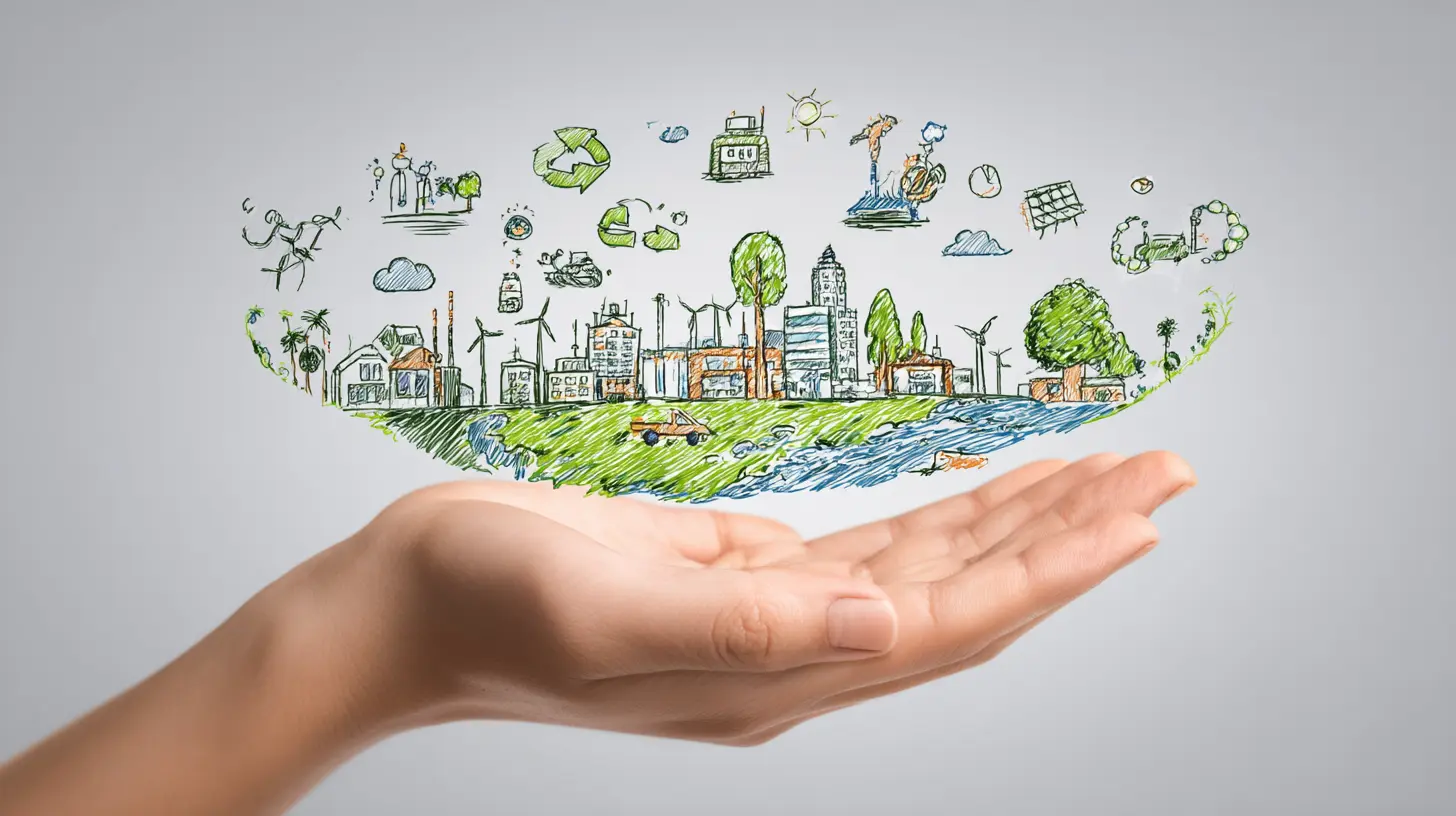
Let’s start with the basics. Sustainability marketing is more than shouting “We’re eco-friendly!” from the rooftops. It’s a strategic approach to promoting products, services, and practices that don't harm the environment, society, or future generations.It blends ethical responsibility with traditional marketing. Think of it as the lovechild of green initiatives and solid storytelling. Sustainability marketing isn’t about ticking boxes—it’s about telling an authentic story that resonates with your target audience.

Why Sustainability Is More Than a Trend
You’ve probably noticed—buzzwords like “green,” “eco,” and “carbon-neutral” are everywhere. But sustainability isn’t a passing fad. It’s a permanent shift in how people think, buy, and live.According to recent surveys, over 70% of consumers say they prefer to buy from brands that share their values. Millennials and Gen Z, who now dominate buying power, are especially vocal about environmental and social issues. These generations check labels, Google your brand, and aren’t afraid to call out greenwashing.
If your brand isn't walking the walk, your audience will sniff it out faster than you can say "biodegradable."
The Psychology Behind the Sustainable Consumer
Here’s the thing—buying sustainably isn’t always the most convenient or cheapest option. So why do people do it?Simple: purpose.
People want to feel good about their choices. They want to believe their money is doing more than just getting them a product—it’s making a statement, supporting a cause, or helping the planet.
Think of buying as voting with dollars. Every purchase is a little whisper of, “This is what I stand for.” Aligning your brand with those values builds trust and loyalty that standard marketing just can’t buy.

Key Elements of Sustainability Marketing
So, what actually goes into sustainability marketing? Let’s break it down.1. Transparency Is Non-Negotiable
No smoke and mirrors. Consumers today have a sixth sense for BS. If your brand isn’t being honest about supply chains, labor practices, or materials—you’re one tweet away from a PR disaster.Be upfront. Talk about your wins and your work-in-progress. People appreciate honesty more than perfection.
2. Eco-Design and Product Innovation
You can’t just slap “eco-friendly” on your label and call it a day. Real sustainable marketing starts with the product itself. That could mean:- Using renewable or recycled materials
- Designing for reuse or minimal waste
- Offering refill or return programs
- Reducing carbon emissions during production
If you’re building a house of sustainability, your product is the foundation. Everything else is just the trim.
3. Tell Your Story
People love stories. They connect us, stir emotions, and drive action. Use storytelling to show the why behind your brand. Introduce your team, share real-world impacts, and highlight the faces behind your processes.Selling a bamboo toothbrush? Tell me how it's helping a coastal village avoid plastic pollution. Don’t just sell the product—sell the purpose.
4. Engage and Educate
Be the go-to source for eco-conscious content. Blog posts, videos, infographics—use them to teach your audience about sustainability in your industry. If you sell clothes, talk about fast fashion's impact. If you’re a tech company, explain e-waste issues.The more you educate, the more authority you build—and the better your customers feel for supporting you.
5. Walk the Talk Internally
Sustainability starts from the inside. If you're marketing eco-initiatives but your office is a paper-wasting, energy-guzzling mess—you’ve got a problem.Make sure your internal operations align with your outward messaging. That includes:
- Ethical sourcing
- Fair wages
- Reducing workplace emissions
- Encouraging sustainable employee habits
Your brand should live and breathe sustainability 24/7—not just when there’s a camera on.
Avoiding The Dreaded Greenwashing
Ah, greenwashing. The fastest way to destroy trust in your brand.It happens when businesses appear to be environmentally friendly but aren’t really making meaningful efforts. Maybe it’s vague language like “all-natural,” misleading images of forests, or hiding behind certifications no one’s ever heard of.
To avoid falling into this trap:
- Use specific claims (“Made from 100% post-consumer recycled plastic” instead of “eco-friendly”)
- Back up statements with certifications (Fair Trade, USDA Organic, FSC, etc.)
- Be transparent about areas where you’re still improving
In short: be real. Consumers would rather hear, “We’re working on reducing our emissions by 50% this year” than, “We love the planet!” with nothing to back it.
Social Media and Sustainability
Want a real-time relationship with conscious consumers? Social media is your playground.Use platforms like Instagram, TikTok, and LinkedIn to show behind-the-scenes content, celebrate sustainability wins, and talk directly to your audience. Get creative with:
- Instagram Reels showing your sustainable packaging process
- TikTok challenges promoting zero-waste habits
- Eco-friendly giveaways
- User-generated content from your loyal fans
Your audience wants a conversation, not a lecture. So respond to comments, DM your fans, and show up consistently. Social media isn’t just another marketing channel—it’s a community-building tool.
Collaborating for a Bigger Impact
No business is an island. Partnering with other sustainability-minded brands, NGOs, or local communities can amplify your message, build credibility, and open doors to new customers.Whether it’s co-branded products, donation initiatives, or awareness campaigns—collaboration shows you’re not just in it for profit. You’re here for the planet.
A little humility goes a long way, and teaming up proves that lasting change takes a village.
Measurement and Accountability
You can't manage what you don't measure.If your goal is to market sustainability, you need cold, hard data to back it up. Track metrics like:
- Carbon footprint
- Water usage
- Supply chain transparency
- Waste reduction
- Employee well-being
Then, report those findings regularly. A yearly sustainability report (even a simple one) shows your commitment and drives long-term credibility. Plus, it keeps you honest and focused.
Real-World Examples That Get It Right
Patagonia
You knew this was coming. Patagonia lives and breathes sustainability. From using recycled materials to encouraging repairs rather than replacements, they’ve made purpose the core of their brand. Their famous “Don’t Buy This Jacket” ad? Genius. Bold. Authentic.Allbirds
This eco-shoe brand set out to create the world’s most comfortable shoe and lessen their carbon footprint. They even print their carbon emissions on the box. Allbirds proves that style and sustainability can walk side-by-side.The Body Shop
Long before it was trendy, The Body Shop was advocating for cruelty-free, ethical, and sustainable beauty. Their refill stations and community trade programs lead the way for ethical transparency in the cosmetics world.
How to Start Your Own Sustainability Marketing Journey
Ready to align your brand with consumer values? Here’s your simple roadmap:1. Audit Your Brand – Be brutally honest about where you stand.
2. Set Clear Goals – What’s your brand’s sustainability mission?
3. Educate Your Team – Everyone should be on board.
4. Integrate Sustainability into Every Touchpoint – From design to customer service.
5. Market Authentically – Focus on transparency and real impact.
6. Listen and Adapt – Customers will guide you if you let them.
Final Thoughts: It’s About Progress, Not Perfection
Sustainability marketing isn’t about being perfect—it’s about making progress and taking your audience along for the ride. People can forgive mistakes. What they won’t forgive is silence, dishonesty, or greenwashing.So show the good, the bad, and the hopeful. Share stories, stats, dreams, and growth. Be human.
Because at the end of the day, aligning with consumer values isn’t just the smart thing to do—it’s the right thing to do.
all images in this post were generated using AI tools
Category:
MarketingAuthor:

Remington McClain
Discussion
rate this article
2 comments
Dorothy Clarke
Great insights! It's inspiring to see how brands can genuinely connect with consumers by embracing sustainability. Aligning marketing strategies with real values not only builds trust but also fosters a better future for all. Keep up the good work!
March 11, 2026 at 12:42 PM
Remington McClain
Thank you! I'm glad you found it inspiring. Aligning with consumer values is indeed crucial for a sustainable future. Your support means a lot!
Zaid Potter
This article effectively highlights the importance of integrating sustainability into marketing strategies, showcasing how aligning with consumer values not only builds brand loyalty but also fosters a positive corporate image. Embracing eco-friendly practices can significantly enhance customer trust and engagement in today's conscientious market.
February 8, 2026 at 5:47 AM
Remington McClain
Thank you for your insightful comment! I'm glad you found the article highlights how sustainability in marketing can strengthen brand loyalty and customer trust.