Sustainable Business Strategies Shaping the Future in 2026
15 May 2026
Let me ask you something. Have you ever looked at a business report from five years ago and thought, "Wow, we really thought we had it figured out, didn't we?" I know I have. The world of sustainable business moves fast, and if you blink, you miss the next big shift. But here's the good news: 2026 is not some distant, scary future. It's right around the corner, and it's packed with opportunities for companies willing to think differently.
Sustainability used to be a buzzword people threw around at conferences, like "synergy" or "pivot." You know the type. But now? It's the backbone of how smart businesses operate. Not because it's trendy, but because it actually works. In 2026, sustainable strategies aren't just about saving the planet - they're about saving your bottom line, your reputation, and your sanity.
So grab your coffee (in a reusable mug, obviously), and let's walk through the strategies that will shape the business landscape in 2026. No fluff, no corporate jargon. Just real talk about what's working and why.

The Circular Economy Grows Up
Remember when "reduce, reuse, recycle" was just a slogan on a poster in your middle school classroom? Yeah, me too. But in 2026, it's a full-blown business model. The circular economy has moved past being a niche concept for eco-warriors and into the mainstream boardroom.Here's the thing: linear models - you know, take, make, waste - are dying. They're like that old flip phone in your drawer. Sure, it worked once, but nobody wants it anymore. In 2026, companies are designing products with their entire lifecycle in mind. They're asking, "What happens to this thing after the customer is done with it?" And they're building answers into the design.
Take furniture companies, for example. Instead of selling you a desk that ends up in a landfill five years later, they're offering leasing models. You pay for the use, not the ownership. When you're done, they take it back, refurbish it, and sell it again. It's like a library for office supplies. And guess what? Customers love it. It saves them money, reduces waste, and builds loyalty.
The beauty of this approach is that it's not just good for the environment - it's good for cash flow. By keeping materials in circulation, businesses cut down on raw material costs and create recurring revenue streams. It's a win-win that feels almost too good to be true. But it's real, and it's spreading fast.
Regenerative Practices Go Mainstream
Let me paint you a picture. Imagine a farm that doesn't just avoid harming the soil but actually makes it healthier every season. That's regenerative agriculture. Now imagine applying that same thinking to your business. What if your operations didn't just reduce harm but actively improved the world around you?That's the shift happening in 2026. Companies are moving beyond "net zero" and aiming for "net positive." They're not just trying to offset their carbon footprint - they're trying to leave things better than they found them. It sounds ambitious, and it is. But it's also incredibly practical.
Consider a coffee company that works with farmers to restore local ecosystems. They plant trees, improve water retention, and boost biodiversity. The result? Better coffee beans, more stable supply chains, and a story that customers actually want to share. People don't just buy coffee anymore - they buy into a mission.
The same logic applies to manufacturing. Instead of just reducing emissions, factories are capturing waste heat to power nearby homes or using wastewater to irrigate community gardens. These aren't charity projects. They're strategic investments that lower costs, build goodwill, and future-proof the business against regulatory changes.
Transparency Becomes Non-Negotiable
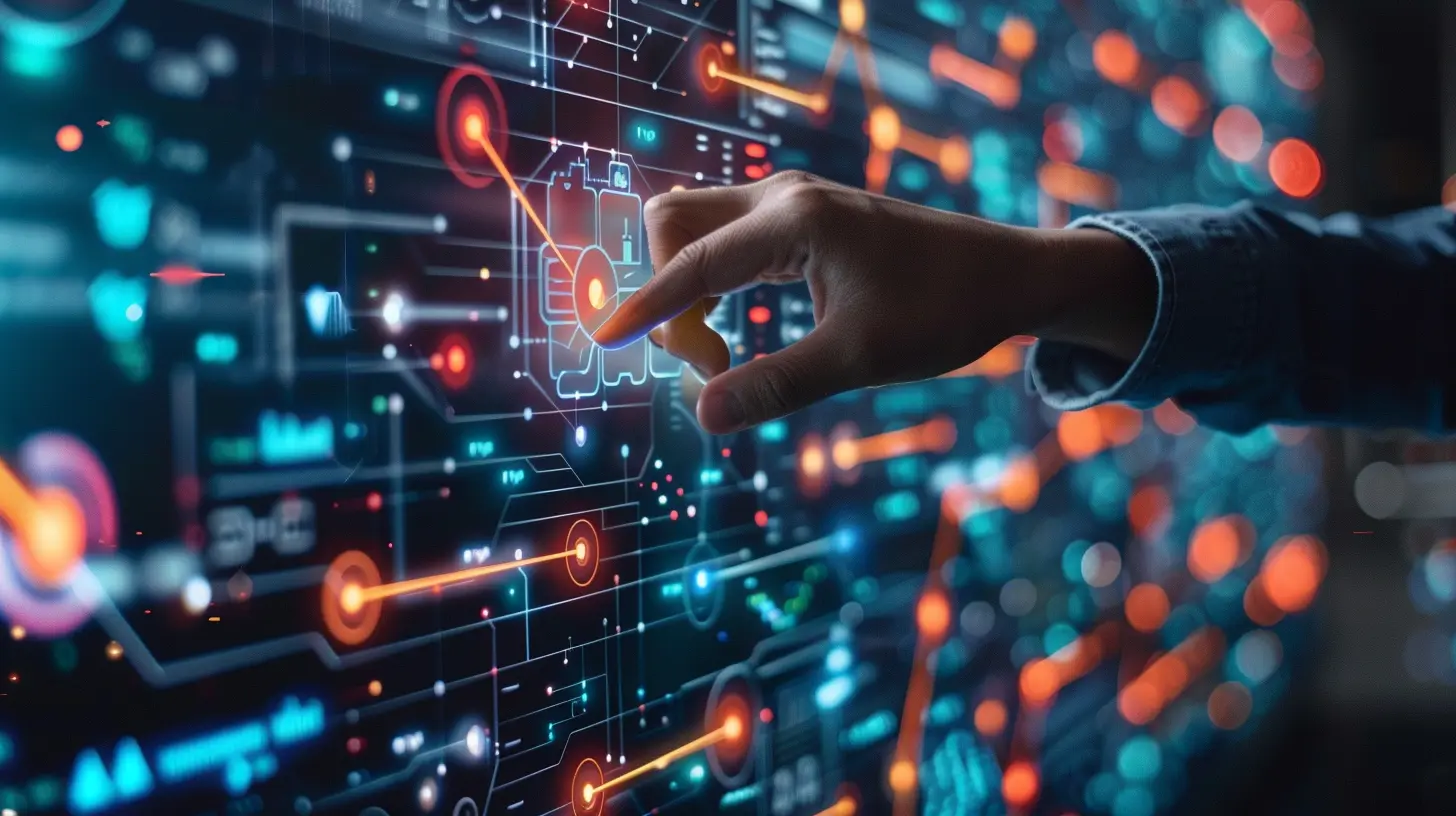
Here's a hard truth: in 2026, you can't hide anymore. Customers have the attention span of a goldfish when it comes to marketing fluff, but they have the memory of an elephant when it comes to broken promises. If you say you're sustainable, they will check. And they will call you out if you're faking it.I'm not talking about glossy sustainability reports that nobody reads. I'm talking about real-time data, blockchain-verified supply chains, and open-book accounting. Companies are sharing exactly where their materials come from, how their workers are treated, and what their actual environmental impact looks like.
Take fashion, for instance. Brands are now embedding QR codes in their clothing tags. Scan it with your phone, and you can see the entire journey of that shirt - from the cotton field in India to the factory in Vietnam to the store in your hometown. It's like a passport for your wardrobe. And it builds trust faster than any ad campaign ever could.
The scary part? If you're not transparent, you're already behind. Customers are voting with their wallets, and they're choosing brands that show their work. It's not about being perfect - it's about being honest. People respect a company that says, "We're not there yet, but here's our plan."
Employee Well-Being as a Sustainability Metric
We used to think of sustainability as something that happened outside the office - in forests, oceans, and factories. But in 2026, it's become clear that you can't have a sustainable business without sustainable employees. Burnout isn't just a personal problem; it's a business liability.Companies are waking up to the fact that turnover costs a fortune, and unhappy workers don't build great products. So they're treating employee well-being as seriously as they treat carbon emissions. It sounds weird to say out loud, but it's happening.
What does this look like in practice? Four-day workweeks are becoming common, not because they're generous, but because they work. Studies show that people get just as much done in four days as they do in five, and they're happier doing it. Companies are also investing in mental health support, flexible schedules, and genuine career development - not the kind that's just a PowerPoint slide.
The connection to sustainability is simple. When people feel valued, they stay longer, work smarter, and care more about the company's mission. They're also less likely to waste resources or cut corners. It's a virtuous cycle that starts with treating people like humans, not cogs.
Tech That Doesn't Just Talk the Talk
Technology in 2026 is getting a reality check. For years, we heard about AI and blockchain like they were magic wands that would solve everything. But now, the hype has settled, and we're seeing real, practical applications that actually move the needle.Take energy management. Smart grids and IoT sensors are helping businesses cut energy use by 30% or more without anyone lifting a finger. Lights dim automatically when a room is empty. HVAC systems adjust based on occupancy and weather forecasts. It sounds boring, but it saves serious money.
Then there's AI for supply chain optimization. Instead of shipping products across the ocean twice because of poor planning, companies are using algorithms to predict demand and route shipments efficiently. Less fuel burned, less waste created, and fewer headaches for everyone involved.
But here's the kicker: the best tech in 2026 isn't the flashiest. It's the stuff that quietly works in the background, making sustainable choices the easy choices. No one needs to pat themselves on the back for using a smart thermostat. It just works, and that's the point.
Collaboration Over Competition
I know, I know. In business, we're taught to compete. Eat or be eaten. Survival of the fittest. But in 2026, the smartest companies are realizing that some challenges are too big to tackle alone. Climate change doesn't care about your market share. Supply chain disruptions don't respect your brand loyalty.So we're seeing an interesting shift: competitors becoming collaborators. Rival car companies are sharing battery technology. Competing food brands are pooling resources to fund regenerative agriculture research. It's not charity; it's self-interest. By working together, they spread the risk and accelerate progress.
Think of it like this. If you and your neighbor both have leaky roofs, you could each buy a ladder and fix them separately. Or you could share one ladder, save money, and have time left over for a beer. That's the 2026 approach. Shared infrastructure, open-source solutions, and industry-wide standards make sustainability cheaper and faster for everyone.
The Rise of "Boring" Sustainability
Let me be honest with you. Not every sustainable strategy is exciting. Some of them are downright boring. But boring is beautiful when it saves you money and reduces risk.I'm talking about energy audits, waste tracking, and water efficiency. The stuff that doesn't make a good Instagram post but makes a great spreadsheet. In 2026, companies are getting serious about the fundamentals because they realize that big, flashy initiatives don't work if the basics are broken.
For example, a simple leak in a factory's compressed air system can waste thousands of dollars a year. Fixing it isn't glamorous, but it's profitable. Similarly, switching to LED lighting or installing low-flow faucets might not win awards, but it pays for itself in months.
The lesson here is that sustainability doesn't have to be a grand gesture. Sometimes it's just about doing the small things right, consistently, over time. That's how you build a business that lasts.
What This Means for You
So here we are, standing at the edge of 2026. If you're running a business or planning one, the message is clear: sustainability isn't optional anymore. It's not a nice-to-have or a marketing gimmick. It's the way business works now.But here's the good news. You don't need to be a giant corporation with a billion-dollar budget. You just need to start. Pick one thing - maybe it's reducing packaging waste, or offering remote work options, or finding a local supplier. Do that one thing well, and then build from there.
The future belongs to businesses that treat sustainability as a strategy, not a slogan. It belongs to companies that are willing to be transparent, to collaborate, and to invest in their people and their planet. And honestly? That's a future worth building.
So what's your first step going to be?
all images in this post were generated using AI tools
Category:
Sustainability In BusinessAuthor:

Remington McClain
Discussion
rate this article
1 comments
Khloe Harmon
Great insights, keep it up!
May 20, 2026 at 3:55 AM