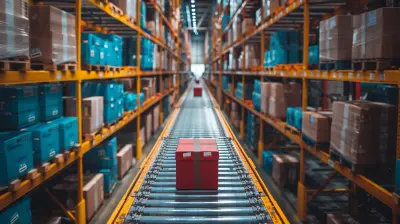
Why Cost Reduction Will Be the Top Business Priority in 2027
12 May 2026
Think of your business like a garden hose. For years, you could just turn the faucet on full blast. Water (revenue) was plentiful. You could afford a few leaks. You could water the weeds. You could let the hose run while you went for a coffee. It didn't matter. There was always more water.
Now, picture the municipal water company (the economy) sending you a letter. "Water prices are tripling. Also, we are reducing pressure." That is 2027. The cost of everything is going up. Labor, raw materials, energy, compliance. But here is the kicker: you can't just raise your prices to match.
Why? Because your customers are squeezed too. They are hunting for deals. They are switching brands faster than ever. If you raise prices, they will leave. You are stuck between a rock and a hard place. Your margins are getting crushed like a soda can in a hydraulic press.
This is not a theory. Look at the data. Inflation might cool, but it rarely goes back to zero. And the costs that stick? Those are the killers. The cost of capital is higher. Borrowing money to grow is no longer cheap. You cannot spend your way out of a problem anymore. You have to save your way into a solution.
The "Fat" Is Already Gone. Now We Cut Bone.
Here is where it gets interesting. Most companies have already done the easy stuff. They canceled the office holiday party. They cut the free snacks. They laid off the bottom 5% of performers. They renegotiated the coffee contract.That was the fat. That was the easy, low-hanging fruit. By 2027, that fruit is gone. The tree is bare. The next round of cost reduction is not about trimming the hedges. It is about deciding which trees to chop down entirely.
This is the scary part. We are talking about cutting into the muscle and bone of the organization. This means killing entire product lines that are "okay" but not great. It means shutting down offices in cities that are "nice to have" but not essential. It means automating jobs that you thought were safe.
I am not saying this to be dramatic. I am saying it because the math is unforgiving. If your competitor can deliver the same product for 15% less because they automated their customer service and you didn't, you are dead. It is that simple. In 2027, the question won't be "Are you growing?" It will be "Are you efficient enough to survive?"
The Zombie Companies Will Finally Drop Dead
Remember all those companies that were kept alive by zero-interest rates? The "zombie" companies. The ones that were barely profitable, but hey, they could borrow money to pay the bills. They were like the guy at the bar who keeps drinking because his credit card isn't maxed out yet.Well, the bar tab is due. The credit card is declined. In 2027, the interest rates will have been high for years. The cheap debt is rolling over into expensive debt. These zombie companies have two choices: find a massive, unsustainable way to cut costs, or die.
This creates a brutal chain reaction. When a zombie company dies, it dumps its inventory on the market for pennies on the dollar. This drives down prices for everyone. The healthy companies now have to match those low prices to keep market share. How do they do that? You guessed it. More cost reduction.
It is a deflationary spiral of efficiency. The only way to win is to be the lowest-cost producer. Not the best. Not the most innovative. The cheapest. That is a scary thought for a lot of business leaders who love to talk about "premium branding."
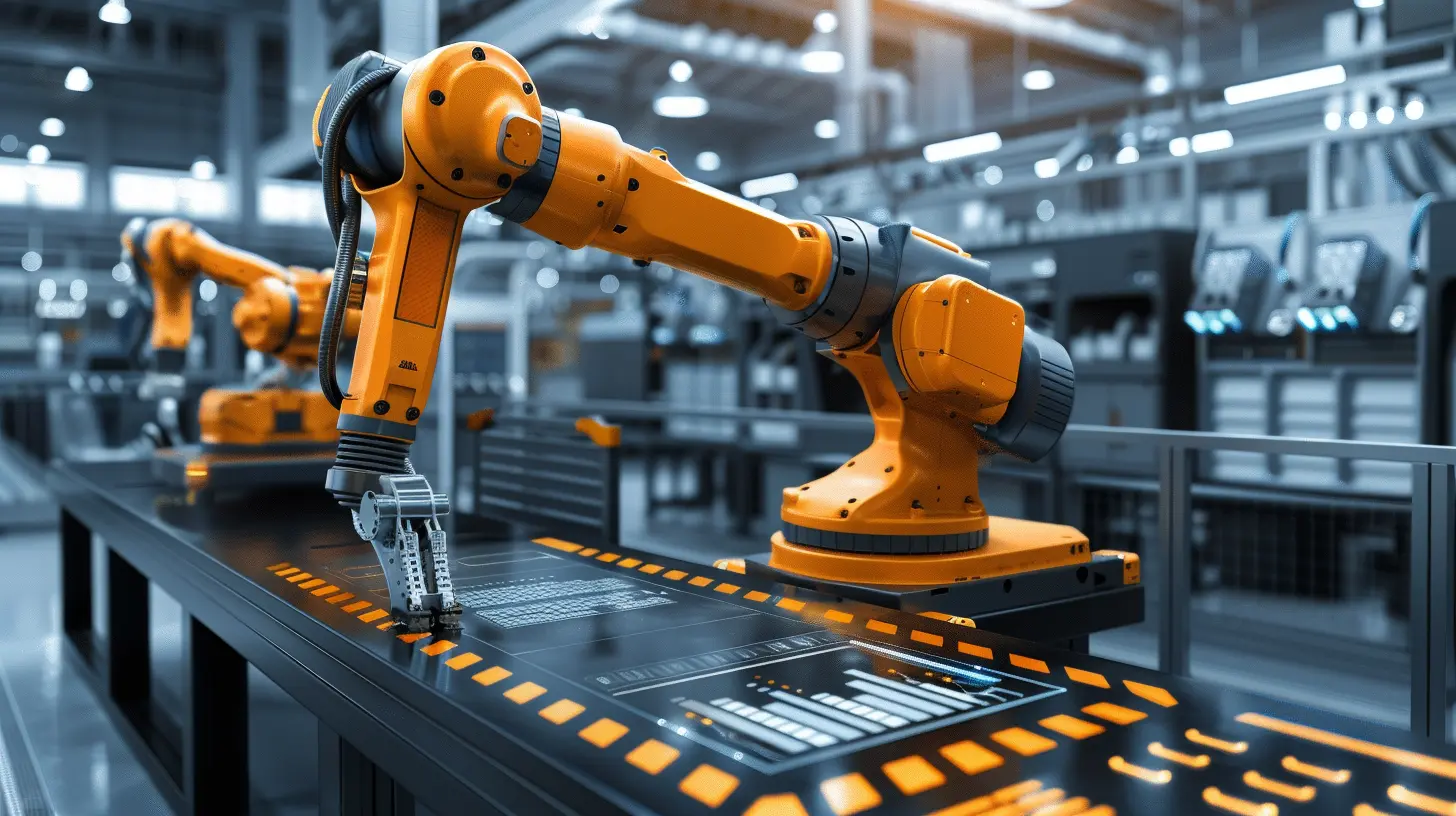
The Hidden Cost of Complexity
Let me ask you a question. How many software subscriptions does your company have? Go on, guess. I bet you are paying for three different project management tools, two different CRMs, and a data analytics platform that nobody uses.This is the silent killer. Complexity. It is the tax on growth that nobody talks about. Every extra process, every extra approval step, every extra vendor, adds a hidden cost. It slows you down. It confuses your employees. It creates waste.
In 2027, the winning companies will be the ones who embrace radical simplicity. They will look at their operations and ask a brutal question: "If we had to start this company from scratch today, would we do it this way?" The answer is almost always "No."
So why are you still doing it that way? Because it is comfortable. Because "that's how we've always done it." That is the enemy. Cost reduction in 2027 is not a finance exercise. It is a philosophical one. It is about stripping away everything that does not directly add value to the customer.
Think of it like a sculptor. Michelangelo didn't create David by adding clay. He removed everything that wasn't David. You need to remove everything that isn't your core value proposition.
The AI Paradox: Spend Money to Save Money
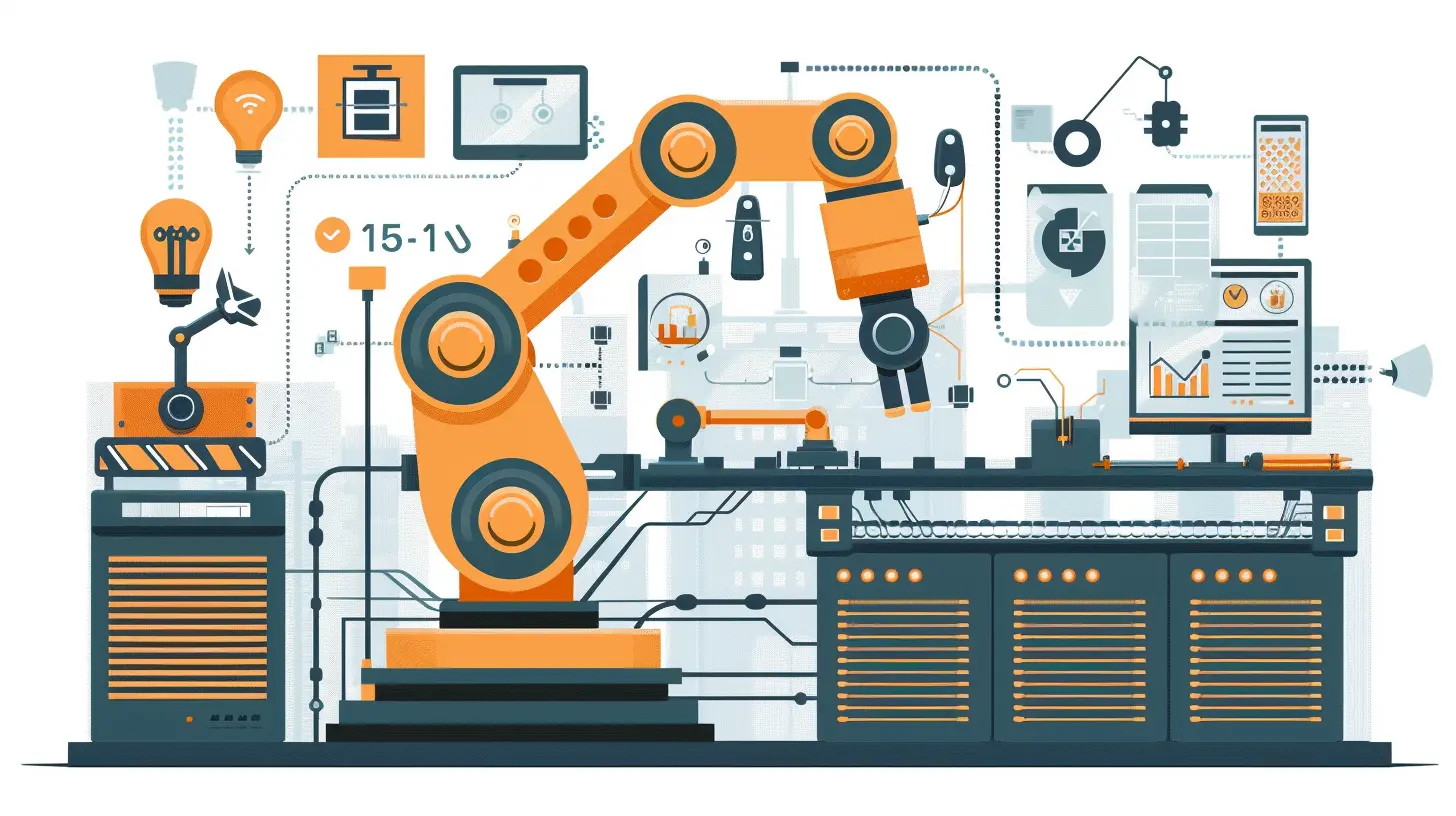
Here is the twist in the story. To reduce costs in 2027, you are going to have to spend a lot of money first. This is the AI paradox.We are past the hype phase. AI is not a magic wand. It is a very expensive, very powerful engine that needs to be fed data, electricity, and talent. The upfront investment is huge. You need the hardware, the software, the consultants, the retraining.
But the payoff is a step-change in efficiency. Imagine a factory floor where robots never get tired, never call in sick, and never ask for a raise. Imagine a supply chain that predicts a disruption before it happens and reroutes itself automatically. Imagine a marketing team that can generate a thousand personalized ads in the time it takes a human to write one.
This is not science fiction. It is happening now. The companies that make this leap in 2026 and 2027 will have a cost structure that their competitors simply cannot match. They will be able to offer lower prices, higher quality, and faster delivery.
The companies that hesitate? They will be stuck with the old, expensive way of doing things. They will be the horse-drawn carriage on the highway. Sure, it works. But it is slow, expensive, and everyone is passing you by.
The War for Talent Changes the Game
Wait, you say. If we cut costs, we lose our best people. That is the old way of thinking. The new way is different.In 2027, the best talent will not be attracted to the highest salary. They will be attracted to the most efficient company. Why? Because nobody wants to work in a dumpster fire.
Think about it. Which job would you rather have? One where you are constantly fighting broken processes, dealing with legacy software, and putting out fires? Or one where the systems are smooth, the tools are modern, and you can actually focus on doing your best work?
Efficiency is a talent magnet. When you reduce costs by eliminating useless meetings, redundant approvals, and clunky software, you make your employees' lives better. You give them back their time. You reduce their frustration.
This is the secret. Cost reduction, done right, is actually an employee retention strategy. It shows that you respect their time. It shows that you are serious about winning. The best people want to be on a winning team. And winning teams are lean, fast, and efficient.
The Customer Will Not Save You
Here is a hard truth. Your customers do not care about your costs. They care about their own.If you have to raise prices because your costs are too high, the customer will not feel sorry for you. They will just go to your competitor who figured out how to do it cheaper. Loyalty is a luxury that only the efficient can afford.
In 2027, the customer is king, but he is a stingy king. He is looking for the best value. Value is not just price. It is price plus quality plus speed plus convenience. The only way to deliver high value is to have a low cost base.
This is why cost reduction is not just a finance goal. It is a customer experience strategy. Every dollar you save in operations is a dollar you can reinvest in making your product better, your delivery faster, or your price lower.
How to Prepare for the Inevitable
So, what do you do? You don't wait until 2027. You start now. But you do it smart.First, stop looking at cost reduction as a one-time event. It is not a "project" with a start and end date. It is a muscle you have to build. It is a continuous discipline. You need a team dedicated to finding waste. Not just in the back office, but in the product itself.
Second, use a scalpel, not a chainsaw. Do not just cut 10% across the board. That is lazy and stupid. It hurts your best departments and protects your worst. Instead, analyze every single process. Ask: "What is the cost of this process? What is the value it creates? If we eliminated it, would anyone notice?"
Third, invest in the tools that give you visibility. You cannot fix what you cannot see. You need real-time data on your cash flow, your inventory, your labor costs, and your customer acquisition costs. If you are flying blind, you are going to crash.
Fourth, be ruthless about your product portfolio. I know you love your pet projects. I know you have a product that you launched five years ago that barely breaks even. Kill it. It is a distraction. It is eating resources that could go to something that actually makes money. In 2027, there is no room for "sentimental" products.
The Final Reckoning
Look, I am not trying to scare you. Okay, maybe a little. But I am trying to wake you up.The business landscape of 2027 will be a desert. The water is drying up. The easy pickings are gone. The only companies that will thrive are the ones that are built to survive on very little.
Cost reduction is not a dirty word. It is not about being cheap. It is about being smart. It is about respecting the resources you have. It is about building a machine that is so efficient, so lean, and so focused, that it can thrive in any environment.
The companies that figure this out will not just survive 2027. They will dominate it. They will be the ones buying up the zombie companies for pennies. They will be the ones setting the prices. They will be the ones hiring the best talent.
The question is not "Will you cut costs?" The question is "Will you cut the right costs, at the right time, in the right way?"
Because the clock is ticking. And 2027 is closer than you think.
all images in this post were generated using AI tools
Category:
Cost ReductionAuthor:

Remington McClain
Discussion
rate this article
1 comments
Graham Franco
Smart move for success!
May 18, 2026 at 2:36 AM
Remington McClain
Thanks! Cost reduction is essential for staying competitive in the future.