Securing Payment Systems: Best Practices for Financial Transactions
30 March 2026
In today's fast-paced digital world, money moves faster than ever. From tapping your phone at a checkout counter to transferring funds with a couple of clicks, modern payment systems make life much more convenient. But here's the thing — convenience comes with risk. And when it comes to money, the stakes are high.
Whether you’re a small business owner, a finance professional, or just someone who enjoys shopping online, securing payment systems should be at the top of your priority list. So, how do we keep those transactions safe from prying eyes? Let’s break it down in plain English and make sure your digital dollars stay protected.
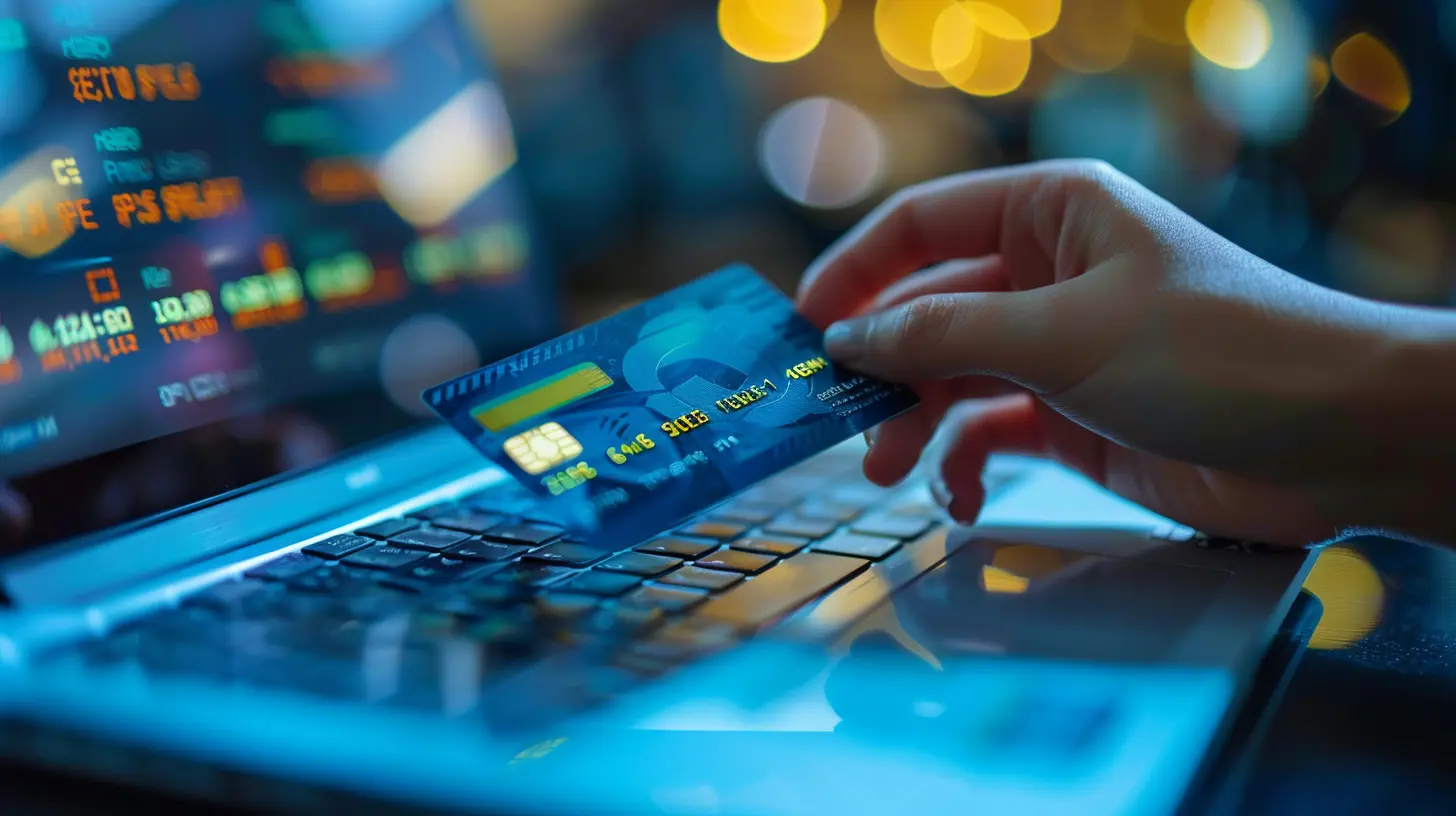
Why Do Payment Systems Need Protection Anyway?
Let’s start with the big question: Why does all this even matter?Simple — money attracts attention. And not always the good kind. Hackers, fraudsters, and cybercriminals are constantly looking for weaknesses in systems that handle cash flow. With billions of dollars moving around online every day, they don’t have to be successful every time — just once.
Even a single breach can:
- Damage customer trust.
- Lead to serious financial losses.
- Attract legal consequences.
- Ruin a brand’s reputation overnight.
So, yeah. Securing payment systems is a big deal, and it’s something no business can afford to ignore.
What Is a Payment System Anyway?
Before diving into best practices, let’s get clear on what we’re talking about. A payment system is any system used to process financial transactions. This includes:- Point-of-sale (POS) terminals
- Online payment gateways
- Mobile payment apps
- Bank transfers
- Digital wallets like PayPal, Venmo, or Apple Pay
Each of these has its own risks and protection needs, but the underlying principle is the same: protect the data and the money.
The Pillars of Secure Payment Systems
Securing payment transactions isn’t just about installing antivirus software and calling it a day. It’s about building a layered approach — like stacking bricks to create a solid wall. Here are the core pillars:1. Encryption – Your Digital Lock and Key
Think of encryption as wrapping your data in a secure envelope that only the intended recipient can open. Payment data is encrypted from the moment it leaves the customer’s device until it lands in your system.Best Practices:
- Use end-to-end encryption (E2EE) — not just SSL.
- Update encryption protocols regularly (avoid outdated ones like TLS 1.0).
- Store encryption keys separately and securely.
2. Tokenization – Replacing the Crown Jewels
Tokenization swaps out sensitive data (like card numbers) for unique surrogate symbols, or tokens, which are useless if stolen. It's like exchanging your cash for Monopoly money — even if someone grabs it, it’s worthless.Best Practices:
- Implement tokenization across POS and online channels.
- Never store actual card details unless absolutely necessary.
- Use PCI DSS-compliant providers.
3. Authentication – Proving You Are Who You Say You Are
Ever tried logging into your bank and had to enter a code sent to your phone? That’s multi-factor authentication (MFA) at work. It creates an extra layer between your funds and someone trying to sneak in.Best Practices:
- Require strong passwords (none of that "123456" nonsense).
- Use MFA wherever possible.
- Implement biometric verification where applicable.
4. Fraud Detection Systems – The Watchdogs
Modern fraud detection tools use artificial intelligence and machine learning to monitor transactions in real time, flagging and blocking anything suspicious.Best Practices:
- Use anomaly detection to spot unusual behavior.
- Set up automatic alerts for high-risk transactions.
- Keep learning from flagged activity to improve systems.
Building a Secure Payment System: Step-by-Step Practices
Let’s get practical. Below is a step-by-step breakdown of how businesses and individuals can boost their payment security.Step 1: Choose a Trusted Payment Processor
Seriously — don’t go for the cheapest option. Work with reputable payment processors who invest in top-notch security. They should be PCI DSS compliant, offer fraud monitoring tools, and use strong encryption.Don’t be afraid to ask questions like:
- How do you store my customers’ payment information?
- What’s your incident response procedure?
- Are you PCI compliant?
Step 2: Keep Software and Systems Updated
Outdated software is a hacker’s playground. That little "Update Available" notification? It's not just annoying — it's essential.Regular updates:
- Patch security vulnerabilities.
- Improve system performance.
- Add new security features.
Make updating part of your regular routine — no exceptions.
Step 3: Limit Data Access
Here’s a simple rule: If someone doesn’t need access to payment data, don’t give it to them.Tips:
- Use role-based access control (RBAC).
- Regularly review permissions.
- Set expiration dates for temporary access.
Think of it like handing out keys — the fewer people have them, the safer your vault.
Step 4: Implement Secure APIs
Many businesses rely on APIs to connect their front-end systems with payment processors. But if those APIs are vulnerable, attackers can exploit them like an open window.Make sure your APIs are:
- Encrypted.
- Authenticated.
- Monitored in real-time.
Secure APIs are like strong bridges — they get you across safely without falling into danger.
Step 5: Educate Your Team Regularly
Let’s be real — most security breaches aren’t the result of some evil genius hacker. They're often just someone on your team clicking a suspicious link or using a weak password.Train your employees to:
- Recognize phishing attempts.
- Use secure passwords.
- Report suspicious activity immediately.
A well-informed team is your first line of defense.
Mobile and Contactless Payments: Are They Safe?
Glad you asked.Mobile wallets and contactless payments are actually more secure than traditional methods — when done right. They use near-field communication (NFC), tokenization, and biometric verification to protect data.
But they’re not bulletproof. If a user doesn’t secure their phone (e.g., no lock screen or outdated OS), it’s still vulnerable.
Tips to Stay Safe:
- Use fingerprint or facial recognition.
- Enable “Find My Phone” features in case of loss.
- Keep your apps and devices updated.
The Customer's Role: Security Isn’t Just A Business Problem
Yes, businesses carry much of the responsibility, but customers have a part to play too.Encourage your users to:
- Use strong, unique passwords.
- Enable two-factor authentication (2FA) on their accounts.
- Monitor their bank statements regularly.
- Avoid public Wi-Fi when making transactions.
Think of it like locking your front door — common sense goes a long way.
Compliance: Not Just Red Tape
There’s a reason standards like PCI DSS (Payment Card Industry Data Security Standard) exist. They help create a baseline for security across businesses that handle credit card data.Other regulations include:
- GDPR (for data protection in the EU)
- PSD2 (for EU payment services)
- CCPA (California Consumer Privacy Act)
Best Practices:
- Stay current with regulatory changes.
- Perform regular compliance audits.
- Work with third-party auditors if needed.
Falling out of compliance isn’t just risky — it can be costly. Like, really costly.
Preparing for the Inevitable: What If Something Goes Wrong?
Let’s not sugarcoat it — even with the best tools in place, breaches can still happen. The key is being prepared.Have a Plan That Includes:
- Incident response protocol.
- Customer communication strategy.
- Contact information for legal and cybersecurity experts.
- Steps to contain and eliminate threats.
It’s like having a fire escape plan — you hope you never need it, but you’ll be glad it’s there if the alarm goes off.
Future-Proofing Your Payment System
Tech evolves quickly. What’s secure today might become tomorrow’s weak spot. Staying ahead of the curve is essential.Look into:
- Blockchain-based payments
- Decentralized finance (DeFi) solutions
- Biometric and behavioral authentication
- AI-driven risk assessment tools
Keep an eye on trends, stay curious, and be ready to adapt.
Final Thoughts: Trust Is the Currency of the Future
At the end of the day, securing payment systems isn’t just about IT teams or fancy tools — it’s about trust. Every time a customer swipes their card or checks out online, they’re trusting you to protect their money and their identity.By taking the right steps, continuously learning, and staying vigilant, you not only protect your business — you create an environment where people feel safe spending their hard-earned cash.
Security isn’t a one-time fix. It’s an ongoing journey. So buckle up, stay informed, and keep your payment systems locked down tight.
all images in this post were generated using AI tools
Category:
CybersecurityAuthor:

Remington McClain
Discussion
rate this article
2 comments
Raven Bellamy
In an age where digital transactions dominate, prioritizing security is not just a best practice but a necessity. Businesses must adopt proactive measures to safeguard their payment systems, as trust is the foundation of customer relationships and long-term success.
May 1, 2026 at 11:54 AM
Dixie Hudson
This article highlights crucial strategies for safeguarding payment systems. As digital transactions become more prevalent, implementing these best practices not only protects businesses but also fosters trust among customers. Continuous vigilance is essential in the evolving landscape of cybersecurity.
March 30, 2026 at 11:11 AM
Remington McClain
Thank you for your insightful comment! I completely agree that safeguarding payment systems is vital for both business security and customer trust. Continuous vigilance is indeed key in the ever-changing cybersecurity landscape.